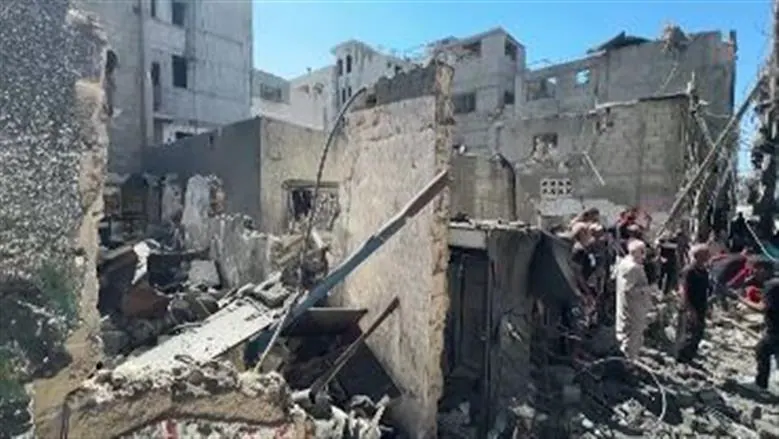
The International Committee for Supporting the Palestinian People has stated that violations of the ceasefire agreement in the Gaza Strip continue. According to Dr. Salah Abd al-Atti, head of the committee, civilians and fishermen are being targeted, and the delivery of humanitarian aid is being hindered. The Gaza Strip is facing a humanitarian crisis, with the entry of heavy equipment, fuel, and spare parts for water and sewage systems being blocked.
Dr. Abd al-Atti made these comments during an interview on Extra Live, highlighting the ongoing challenges in implementing the ceasefire agreement and the roadmap agreed upon by mediators. Despite efforts to stabilize the ceasefire, the desired outcomes have not been achieved. The opening of border crossings and the entry of humanitarian supplies remain a significant challenge for the Strip's residents.
The Palestinian people view the future of the agreement as being closely tied to the protection of civilians and the guarantee of a continued ceasefire. The committee head emphasized that the mediators, along with the United States as the primary guarantor of the agreement, and the international community, possess the necessary tools to ensure compliance with the ceasefire.
Dr. Abd al-Atti called for more serious actions, including the imposition of sanctions and accountability for those responsible for violations under international law. He stressed that the international community must move beyond statements of condemnation and take concrete steps to protect civilians and support the Palestinian people.
There is growing international support for a two-state solution and Palestinian self-determination, with countries such as Russia, China, and the European Union expressing backing for these principles. However, Dr. Abd al-Atti noted that statements alone are insufficient, and that the continued situation on the ground in Gaza and the West Bank demands a shift from political positions to practical steps.
The ongoing crisis in Gaza is exacerbated by the approaching winter season, which is expected to worsen the humanitarian situation. The blocking of essential supplies, including fuel and spare parts, has severe implications for the Strip's infrastructure, including water and sewage systems.
The situation in Gaza remains fragile, with the potential for further escalation if the ceasefire agreement is not fully implemented. The international community is urged to take a more active role in supporting the Palestinian people and ensuring the protection of civilians.
Key points
- Continued violations of the Gaza ceasefire agreement are reported, with civilians and fishermen being targeted.
- The international community is called upon to take more serious actions to ensure compliance with the ceasefire agreement.
- Growing international support for a two-state solution and Palestinian self-determination is noted, but statements alone are deemed insufficient.