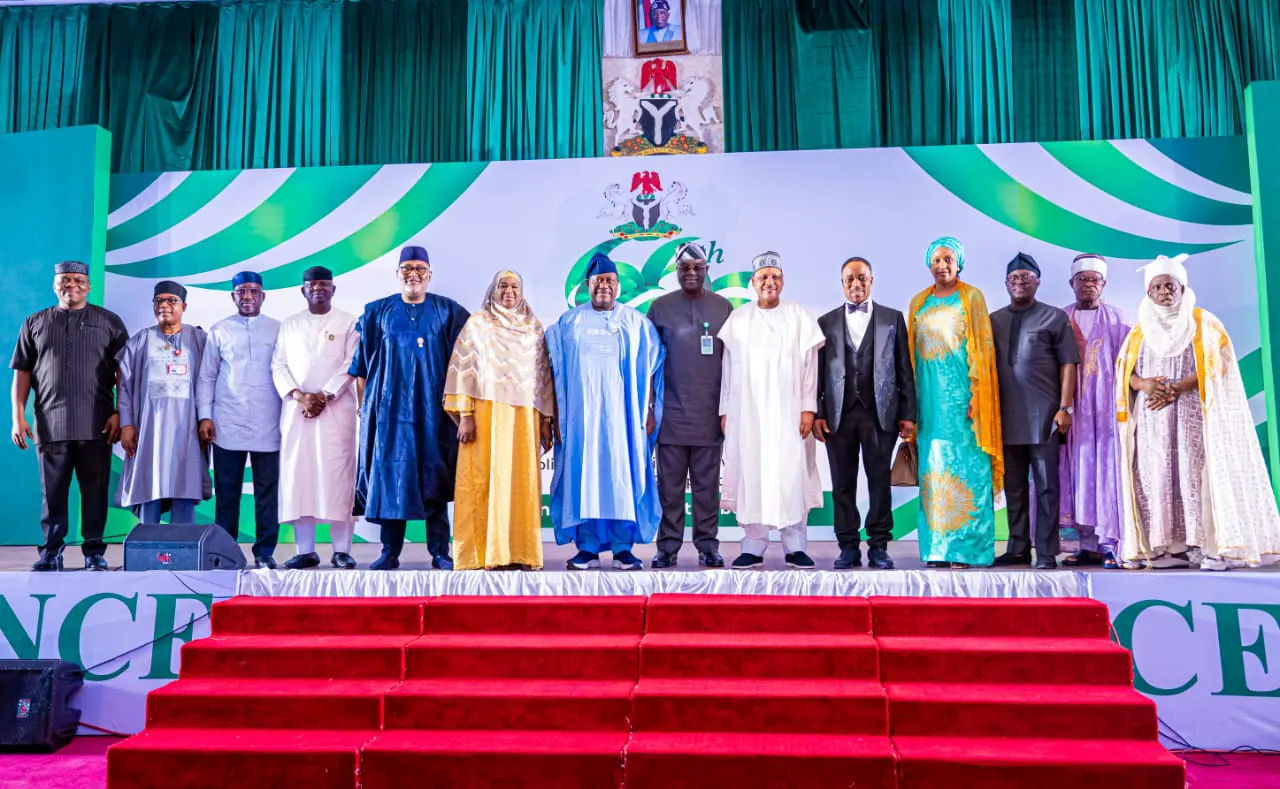
The Federal Government of Nigeria has called on citizens to sustain efforts to consolidate ongoing reforms, translating economic stability into stronger growth, more jobs, and improved living conditions. This appeal was made by the Minister of Information and National Orientation, Mohammed Idris, at an Independence Day Public Lecture in Abuja, marking Nigeria's 66th Independence Anniversary. The lecture's theme was "From Reforms to Stability: Consolidating Nigeria’s Renewed Hope for Shared Prosperity."
According to Minister Idris, the reforms implemented over the past three years have addressed longstanding structural challenges and are beginning to strengthen the economy. He cited a 4.43% economic growth in the second quarter of 2026, as well as expanding investment, domestic refining, and productive activities. Idris emphasized that the current priority is to ensure that economic gains translate into better opportunities, employment, and improved livelihoods for citizens.
The Minister also urged the media to promote fact-based reporting, verification, and national cohesion, particularly as the country approaches another electoral cycle. This appeal is crucial in ensuring that citizens are well-informed and that national unity is maintained. Furthermore, Idris highlighted the importance of the media's role in promoting a positive and accurate narrative about Nigeria's progress.
Head of the Civil Service of the Federation, Olumuyiwa Enitan Abel, stressed that the public service has a significant role to play in turning government policies and reforms into measurable results for Nigerians. He noted that ongoing civil service reforms focus on improving efficiency, professionalism, accountability, and citizen-centred service delivery. Key areas of transformation include stronger performance management, digitization, continuous learning, and innovation.
Dr. Collins Aimuan, Chairman of the Governing Council of Philomath University, Kuje, delivered the lecture, tracing Nigeria's political and economic journey since independence. He examined major reforms implemented by the present administration, including tax reforms, petroleum-sector reforms, power, infrastructure, and education financing. Aimuan highlighted these measures as crucial in changing the structure of the economy and called for sustained reforms backed by strong institutions and legislation.
The Secretary to the Government of the Federation, Senator George Akume, noted that Nigeria has faced difficult periods since independence but has consistently demonstrated resilience and faith in the country. He highlighted major decisions taken by the Tinubu Administration, including the removal of petrol subsidy, foreign-exchange reforms, and tax and fiscal measures, aimed at restoring economic stability. Akume emphasized that the next phase should focus on converting economic growth into jobs, incomes, and opportunities for Nigerians.
The Federal Government remains committed to the goal of shared prosperity for all Nigerians, with a focus on deepening reforms and sustaining investments in key sectors. This commitment was reaffirmed by Senator Akume, who highlighted ongoing efforts to expand CNG access, support food production and value chains, widen education financing, and strengthen assistance for vulnerable Nigerians. The government's aim is to ensure that economic growth translates into tangible benefits for citizens.
Key points
- The Federal Government of Nigeria has recorded 4.43% economic growth in Q2 2026.
- Ongoing reforms focus on improving efficiency, professionalism, accountability, and citizen-centred service delivery.
- The government aims to convert economic growth into jobs, incomes, and opportunities for Nigerians.