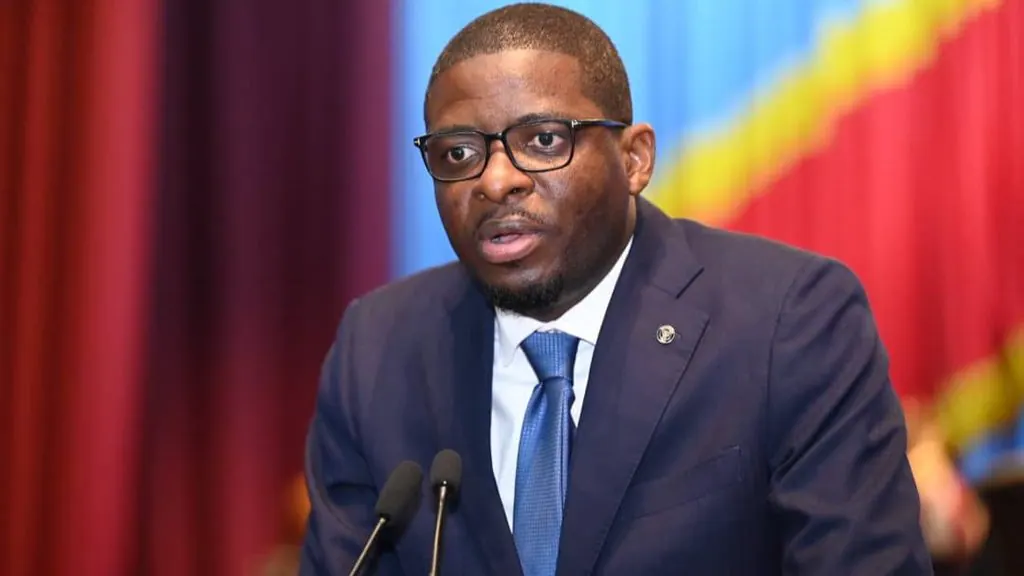
Democratic Republic of Congo's national deputy, Eric Tshikuma Mwimbayi, has submitted a question to the National Assembly, seeking a detailed report from the Minister of Employment and Labour on the activities of the General Labour Inspection (IGT) over the past two years. Tshikuma, representing the Funa constituency, aims to shed light on the effectiveness of the IGT's control measures, particularly in large enterprises and the mining sector, which is a significant contributor to the country's economy.
Tshikuma's request is driven by concerns about transparency and accountability in the IGT's operations. He wants to know not only if inspections have taken place but also their actual impact, efficacy, and contribution to protecting Congolese workers. The deputy is particularly interested in the traceability of fines collected and the administrative and financial processes surrounding their collection. This information, he believes, is crucial for restoring public trust in government action and ensuring that resources generated from sanctions benefit the community.
The parliamentarian's initiative is part of his ongoing efforts to promote social justice and equity in the Congolese economy. In October 2025, Tshikuma addressed a similar question to the Minister of Employment, highlighting disparities between Congolese workers and expatriates in the mining sector. He sought details on the number of expatriate workers, wage disparities, permit irregularities, and sanctions imposed. Tshikuma's actions reflect his commitment to defending the interests of the Congolese people and promoting equal treatment.
Tshikuma's current request also aligns with President Felix Tshisekedi's vision for reforming the IGT. In July 2026, the President instructed the government to modernize the institution, strengthen its autonomy, and improve working conditions for inspectors. The reform aims to enhance control over social legislation, modernize the institution, and improve the business climate. Tshikuma's demand for transparency and accountability is seen as a crucial aspect of this reform.
The IGT's reform is a priority for the government, with a focus on digitalization, modernization, and improved inspector training. The government aims to establish a national inspection database, develop digital monitoring tools, and enhance inspector training to better address the realities of key sectors. Tshikuma's request for information on IGT activities, inspection reports, and sanctions imposed is expected to contribute to this reform effort.
Tshikuma's actions have been praised for their consistency and commitment to social justice. As a representative of the people, he continues to push for transparency and accountability in government institutions. His efforts reflect a broader desire for reform and good governance in the DRC. The deputy has vowed to continue advocating for the rights of Congolese workers and promoting equitable economic development.
The outcome of Tshikuma's request remains to be seen, but his initiative is likely to contribute to a more transparent and accountable labour inspection system in the DRC. The government's response to his request will be closely watched by stakeholders, including civil society organizations, workers' unions, and the private sector.
Key points
- - The Congolese parliamentarian, Eric Tshikuma, has requested a detailed report on the activities of the General Labour Inspection (IGT) over the past two years. - Tshikuma's request seeks transparency on labour inspections, sanctions imposed, and the traceability of fines collected. - The initiative aligns with President Felix Tshisekedi's vision for reforming the IGT and promoting social justice and equity in the Congolese economy.