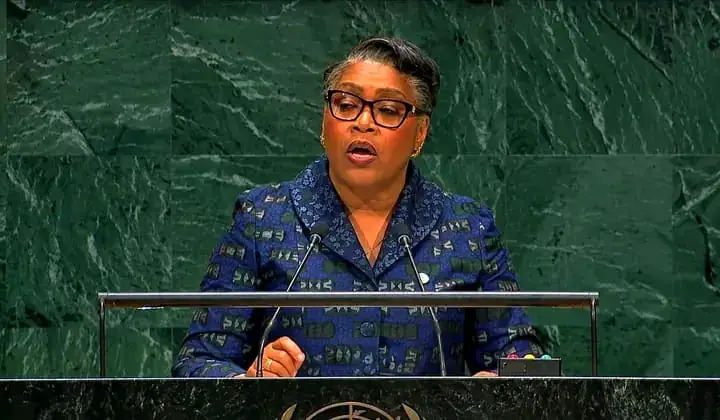
On September 24, 2026, at the 81st United Nations General Assembly, DR Congo's Prime Minister Judith Suminwa made a passionate plea for the protection and valorization of the Congo Basin. This appeal has garnered significant support from various quarters, including the cultural sector. The Congo Basin, often referred to as the second ecological lung of the planet, plays a critical role in global environmental balance.
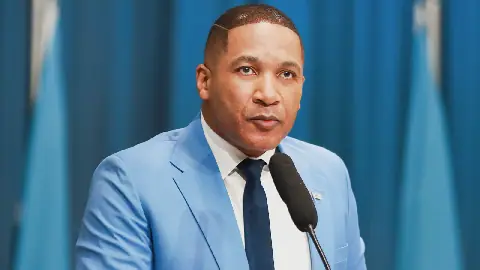
Barly Baruti, a prominent cultural operator in the Democratic Republic of the Congo, expressed his appreciation for the Prime Minister's initiative. He emphasized that the Congo Basin is not merely a vast forest but the cradle of Congolese cultural identity. It is the birthplace of the rumba, a genre that has significantly influenced Congolese music and culture. Baruti highlighted that defending the Congo Basin is, in essence, defending the country's cultural sovereignty.
According to Baruti, the significance of the Congo Basin extends beyond environmental concerns. It is about the future of communities that live, work, and create within the basin. The cultural operator stressed that the responsibility of protecting this invaluable heritage should be shared by the international community. He argued that the preservation of the Congo Basin requires collective action and funding, not charity but a shared responsibility.
Baruti's sentiments underscore the interconnectedness of environmental conservation and cultural preservation. The Congo Basin is home to a rich cultural heritage, with numerous languages, rites, and a collective memory that draws its strength from this region. Protecting the basin, therefore, involves safeguarding the cultural identity of the Congolese people and contributing to global environmental stability.
The cultural operator's statements also reflect a broader call for international cooperation and responsibility. He believes that the plea for the Congo Basin's protection should be considered alongside other urgent issues discussed at the UN, such as the security crisis in the eastern part of the DR Congo, civilian protection, and global governance reform. This holistic approach aims to address the multifaceted challenges facing the region.
Baruti's call to action emphasizes that protecting the Congo Basin comes with a cost, which must be collectively assumed by the international community. This involves not only financial commitments but also a collaborative effort to ensure the sustainable management of the basin's resources. The cultural operator's advocacy adds a critical voice to the ongoing discussions about environmental conservation and cultural preservation.
The support from cultural operators like Barly Baruti highlights the growing recognition of the Congo Basin's importance beyond its ecological value. It is a symbol of Congolese heritage and identity, and its preservation is crucial for the country's cultural and environmental sustainability. As the international community continues to grapple with global challenges, the plight of the Congo Basin remains a significant concern that requires urgent and collective attention.
Key points
- The Congo Basin is crucial for global environmental balance and is the cradle of Congolese cultural identity.
- Protecting the Congo Basin involves shared responsibility and collective action from the international community.
- The preservation of the Congo Basin is intertwined with the protection of Congolese cultural heritage and identity.
Reporting sources
- ONU : plaidoyer pour le bassin du Congo accueilli favorablement par un opérateur culturel · Congolese press agency