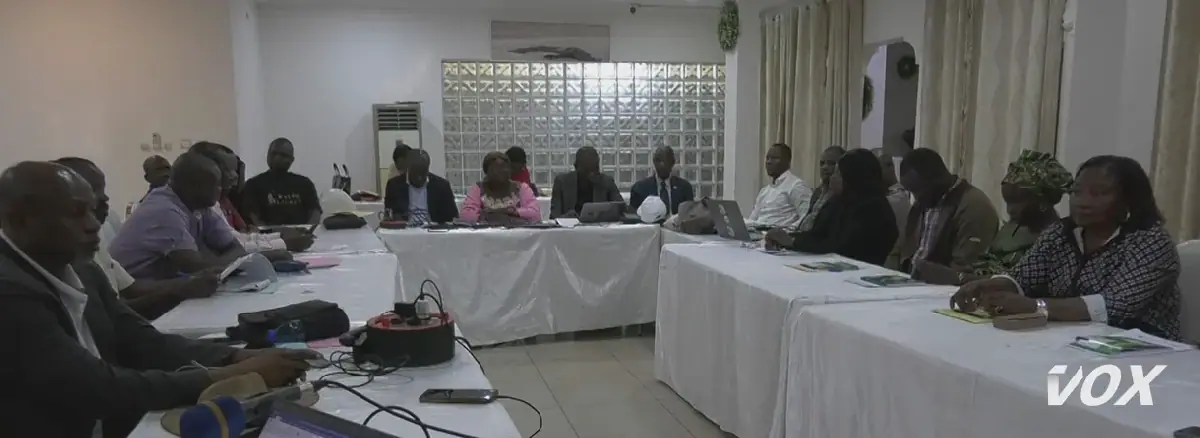
A recent workshop in Brazzaville brought together stakeholders to discuss the impact of certain forest taxes on local communities and indigenous populations in the Republic of the Congo. The workshop, organized by the Expanded Legal Working Group, aimed to analyze the effects of forest taxes on these communities, taking into account local socio-economic realities and domestic uses of wood residues. Participants emphasized the need for a more nuanced understanding of the issue.
The workshop resulted in several recommendations, including the need for a deeper analysis of the impact of forest taxes on local communities. Participants also called for strengthened citizen oversight and monitoring of forest tax implementation to ensure transparency and compliance with regulations. Furthermore, they recommended popularizing legislative and regulatory texts related to accessory forest products to promote their appropriation by concerned communities and actors.
The participants also highlighted the importance of better informing local communities and indigenous populations about their rights and applicable regulations to prevent potential abuses by certain agents and practices of overcharging or undue fee collection. They suggested that the Ministry of Forest Economy conduct a prior study on the tax on wood residues to better inform the ongoing process. Additionally, they recommended revising old regulatory texts governing forest taxation and inserting tax details into the finance law.
Nina Cynthia Kiyindou Yombo, Executive Director of the Congolese Observatory for Human Rights, emphasized the importance of better appropriation of fiscal and forest dispositions, as well as consideration of community interests in natural resource governance. Discussions during the workshop highlighted the need for particular attention to the tax on wood residues, introduced into the Congolese forest fiscal system, and its application modalities.
The workshop participants identified several challenges, including non-payment of forest taxes within regulatory deadlines, overtaxation of local communities for non-timber forest products, and non-application of Article 114 of the Forest Code. They also noted delays and non-determination of redevances, non-creation of the Local Development Fund, and non-financing of development projects. These challenges underscore the need for effective governance of forest resources.
The participants stressed the importance of ensuring the effectiveness of the tax on wood residues while safeguarding the practices and livelihoods of communities that depend on access to these resources. Through this workshop, participating organizations reaffirmed their commitment to transparent, inclusive, and respectful governance of forest resources, particularly with regard to local communities and indigenous populations.
The organizations participating in the workshop intend to continue contributing to reflections on natural resource governance, including monitoring the implementation of forest texts and documenting their effects on community rights and living conditions. The workshop's recommendations aim to promote a more inclusive and equitable approach to forest taxation, one that balances revenue generation with the needs and rights of local communities.
Key points
- The workshop recommended a deeper analysis of the impact of forest taxes on local communities, taking into account socio-economic realities and domestic uses of wood residues.