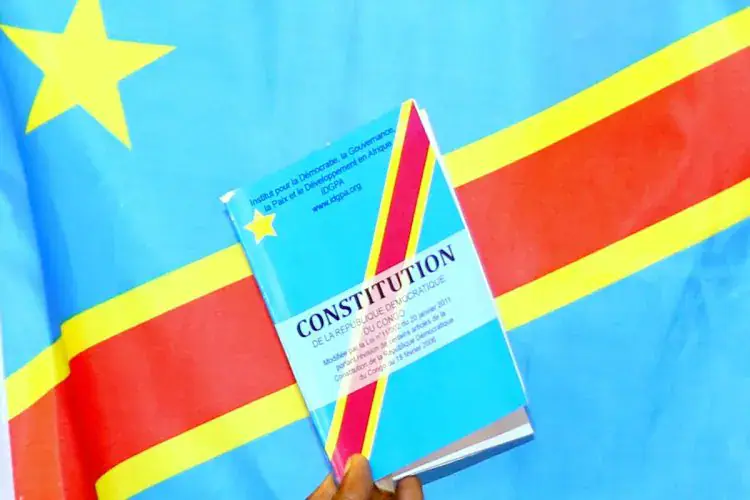
The National Assembly of the Democratic Republic of Congo (DRC) has re-approved a bill regulating the organization of a constitutional referendum on October 23, 2026, after revising 13 articles based on requests from the Constitutional Court. However, the bill continues to face criticism from those who disagree with the government. The bill was initially passed and then submitted to the Constitutional Court to verify its conformity with the Constitution. The Court returned it to the National Assembly, requesting clarification on certain articles before it could be re-voted on.
According to Radio Okapi, the revisions made to the bill relate to issues that can be put to a referendum, the process for approving a new Constitution, the organization of referendum campaigns, and the procedure for challenging election results. The revised bill also outlines the requirements for citizens to request a referendum, including the need for a petition signed by at least 250,000 people. The bill provides for a series of political discussions, followed by an examination of the draft by the relevant parliamentary committee, before it is submitted to the people for a vote.
The bill also addresses the process for approving a new Constitution, stating that it will be preceded by political discussions, followed by an examination of the draft by the relevant parliamentary committee. The bill specifies that if the people reject the new Constitution, the current Constitution will remain in force. Supporters of the bill argue that it aims to strengthen the role of citizens in the referendum process. Critics, however, fear that it may reignite debates on the country's governance structure and laws.
The DRC has a complex history of constitutional reforms, with previous attempts at revising the Constitution having been met with controversy and opposition. The current bill has been passed by the National Assembly and will now be examined by the Senate in a second reading. The outcome of this process will determine the final approval and adoption of the bill. The DRC has been working to strengthen its democratic institutions and ensure that the referendum process is transparent and inclusive.
The opposition to the bill has expressed concerns that it may be used to consolidate power or undermine the country's democratic gains. The government has assured citizens that the referendum process will be free and fair, and that the outcome will be respected. The international community has also been following the developments in the DRC, with some countries and organizations expressing support for the country's democratic process.
The Constitutional Court plays a crucial role in ensuring that the bill conforms to the Constitution, and its requests for clarification on certain articles demonstrate its commitment to upholding the rule of law. The Court's involvement in the process has helped to build trust and credibility in the referendum process. The DRC's democratic institutions face challenges, but the country's progress in recent years has been notable.
The revised bill has been welcomed by some as a step towards greater transparency and accountability in the referendum process. However, others remain skeptical, citing concerns about the government's intentions and the potential risks associated with the bill. The DRC's experience with constitutional reforms serves as a reminder of the complexities and challenges involved in such processes.
Key points
- The DRC's parliament has revised a bill governing a constitutional referendum, amid criticism from those opposed to the government.
- The bill outlines the requirements for citizens to request a referendum and the process for approving a new Constitution.
- The outcome of the bill's examination by the Senate will determine its final approval and adoption.