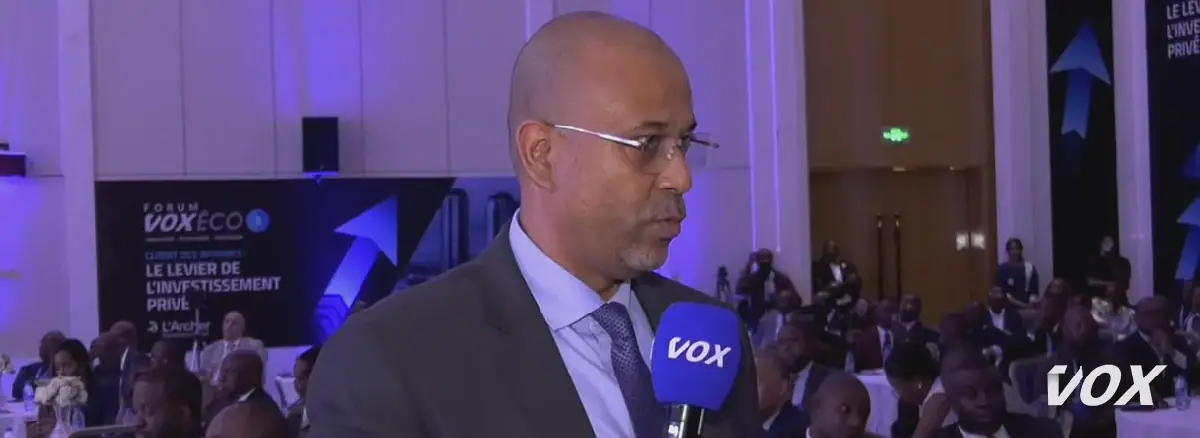
The Republic of the Congo's attractiveness for investors is more theoretical than practical, according to Michel Djombo, Minister of Industrial Development, Special Economic Zones, and Private Sector Promotion. Speaking at the 5th edition of the Vox Eco Forum in Brazzaville on November 24, Djombo acknowledged the country's efforts to attract investors but highlighted the limitations of the current model. He emphasized the need to rethink special economic zones around value chains.
Djombo noted that the country's energy costs, which are theoretically subsidized, are no longer a major draw for investors. The minister explained that many industries come to the Congo expecting to benefit from subsidized energy and fuel prices, but these subsidies have become unsustainable. As a result, the government is encouraging industries to invest in solar power to become more autonomous.
The minister highlighted the state's efforts to support industries, including a fiscal expenditure of 700 billion francs CFA per year, which includes tax and customs exemptions. The non-oil sector, for example, receives cumulative exemptions of 200 billion francs CFA per year. Djombo stressed that it's now up to the private sector to add more value and that the ministry's role is to support actors in achieving this goal.
Djombo called for a change in the special economic zones model, which was designed to attract isolated investors. He argued that the zones should be designed to create value chains, with investors producing goods and services that complement each other. The minister cited a special economic zone in Cambodia as an example, where producers of various components and finished goods coexist and contribute to a final product.
To achieve this goal, Djombo emphasized the need for a regulatory framework that supports value chains within special economic zones. He noted that the current framework encourages production for export, but not production for other industries within the zone. Changing this framework will be crucial to unlocking the full potential of special economic zones, according to the minister.
The minister's comments highlight the challenges facing the Congo's economic development efforts. Despite its theoretical attractiveness, the country has struggled to create an environment that supports investment and growth. Djombo's call for a rethink of special economic zones and a focus on value chains may offer a way forward, but it will require significant changes to the regulatory framework and the business environment.
The Vox Eco Forum, where Djombo made his comments, is a platform for discussing economic issues in the Congo. The event provides an opportunity for stakeholders to engage with policymakers and experts on key economic challenges facing the country. The forum's discussions are likely to inform policy decisions and shape the country's economic development trajectory in the coming years.
Key points
- The Congo's attractiveness for investors is more theoretical than practical, according to Minister Michel Djombo.
- The country's special economic zones need to be redesigned to create value chains and support investment.
- The government is encouraging industries to invest in solar power to become more autonomous due to unsustainable energy subsidies.