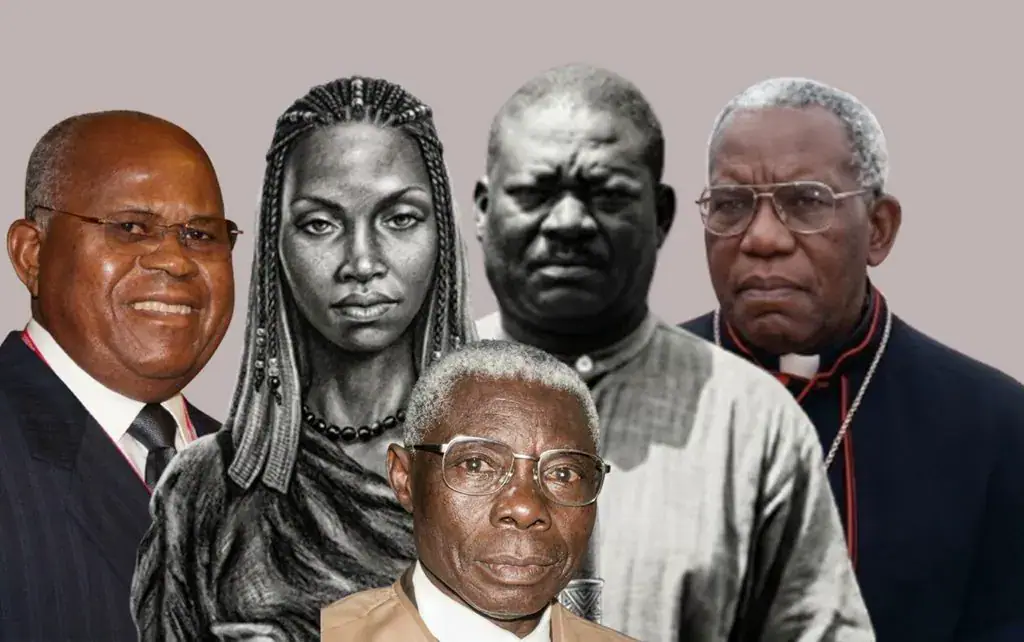
The Democratic Republic of Congo has taken a significant step towards reclaiming its historical narrative by recognizing five national heroes. The country's National Assembly adopted a resolution on November 6, 2026, to elevate Kimpa Vita, Simon Kimbangu, Monseigneur Christophe Munzihirwa Mwene Ngabo, Dr. Étienne Tshisekedi wa Mulumba, and Monseigneur Emmanuel Kataliko to the status of national heroes. This move aims to acknowledge the profound impact these individuals had on the country's history, politics, and spirituality.
The five recognized heroes have been chosen for their courageous stands against colonialism, oppression, and social injustice. Kimpa Vita, a 17th-century prophetess, led a spiritual movement that resisted Portuguese colonial rule and promoted African identity. Simon Kimbangu, a 20th-century prophet, founded the Kimbanguist movement, which advocated for Congolese dignity and freedom from Belgian colonial rule. The other three heroes - Monseigneur Christophe Munzihirwa Mwene Ngabo, Dr. Étienne Tshisekedi wa Mulumba, and Monseigneur Emmanuel Kataliko - were prominent figures in the country's struggle for independence and human rights.
The recognition of these national heroes is seen as a crucial step towards healing historical injustices and promoting national pride. For years, Congolese children have been taught about European and American history, but have had limited exposure to the stories of their own ancestors. By elevating these five individuals to national hero status, the government aims to create a more balanced and inclusive narrative of the country's past.
Kimpa Vita, also known as Dona Beatriz, was a prophetess from the Kingdom of Kongo who preached unity and resistance against Portuguese colonial rule. Born in 1684, she founded the Antonianist movement, which blended Catholicism with traditional Kongo spiritual practices. Her message emphasized the importance of reunifying the kingdom and recognizing the African roots of Christianity. Despite being arrested, tried, and executed for heresy in 1706, Kimpa Vita remains a powerful symbol of African spiritual resistance and identity.
Simon Kimbangu, born in 1887, was a prophet who founded the Kimbanguist movement, which advocated for Congolese freedom and dignity. His message attracted thousands of followers, but also drew the attention of Belgian colonial authorities, who saw him as a threat to their rule. Kimbangu was arrested, tried, and sentenced to death, but his sentence was commuted to life imprisonment. He died in prison in 1951, but his legacy as a champion of Congolese rights and freedoms endures.
The adoption of this resolution marks a significant milestone in the country's efforts to reclaim its historical narrative and promote national pride. The recognition of these five national heroes is expected to inspire future generations of Congolese people to learn from their stories and continue their struggles for justice, equality, and human rights.
The process of recognizing these national heroes was led by the National Assembly, with support from the Senate. The resolution was passed with the aim of preserving the country's history and promoting a sense of national identity. The five heroes will be honored and remembered for their contributions to the country's struggle for freedom, dignity, and spiritual values.
Key points
- The recognition of these national heroes aims to promote a more balanced and inclusive narrative of the country's past.
- The five recognized heroes - Kimpa Vita, Simon Kimbangu, Monseigneur Christophe Munzihirwa Mwene Ngabo, Dr. Étienne Tshisekedi wa Mulumba, and Monseigneur Emmanuel Kataliko - were chosen for their courageous stands against colonialism, oppression, and social injustice.
- The process of recognizing these national heroes was led by the National Assembly, with support from the Senate.
Reporting sources
- Quand le Congo décide de reconnaître ses héros · Ouragan.cd