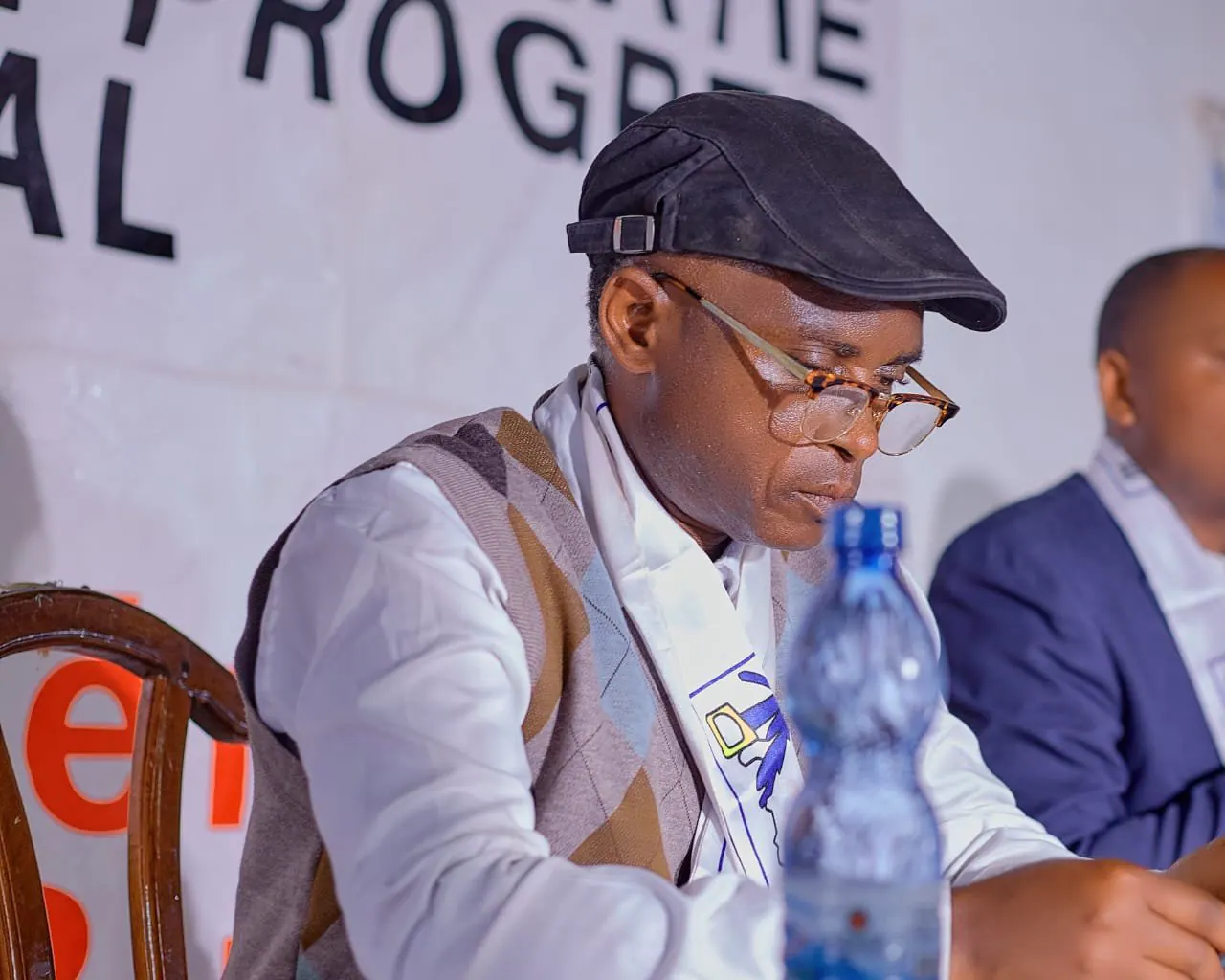
Karondwa Mwanaweka Marie-Célestin Bytaty, interim leader of the Union pour la Démocratie et le Progrès Social (UDPS) party in Butembo, North Kivu, was killed on September 28, 2026, after being attacked by a mob. Bytaty was beaten for comments made on the radio, urging residents to take precautions against the Ebola outbreak that had resurfaced in the city. The UDPS party reported the incident, stating that Bytaty's house and property were also torched.
The Ebola outbreak in the Democratic Republic of Congo continues to spread, with the Ministry of Health reporting 8,067 cases and 3,901 deaths from May 2026 to September 26, 2026. The lack of effective treatment or vaccine has contributed to the outbreak's persistence, as well as skepticism among some residents who do not believe the disease exists or is fatal. This skepticism has led some infected individuals to remain in their communities, further spreading the disease.
Bytaty's killing has been condemned by the UDPS party, which has accused unnamed individuals of inciting the violence. The party has called for calm and urged authorities to investigate the incident and bring perpetrators to justice. The incident has raised concerns about the safety of opposition leaders and activists in the DRC, particularly in areas affected by the Ebola outbreak.
The Ebola outbreak in the DRC has been ongoing for several months, with the city of Butembo being one of the hardest-hit areas. Health authorities have struggled to contain the outbreak, citing factors such as insecurity, mistrust of health workers, and cultural practices that facilitate the spread of the disease. The situation has been further complicated by the COVID-19 pandemic, which has strained the country's healthcare resources.
The Congolese government has deployed health workers and military personnel to affected areas to help contain the outbreak. However, their efforts have been hindered by attacks on health facilities and workers, as well as the reluctance of some residents to cooperate with health authorities. The government has urged residents to report suspected cases and to adhere to health guidelines to prevent the spread of the disease.
The international community has expressed concern over the Ebola outbreak in the DRC and has pledged support to help contain the disease. The World Health Organization (WHO) and other humanitarian agencies have deployed teams to affected areas to provide medical assistance and support to local health authorities. However, the response efforts have been hampered by logistical challenges and security concerns.
The killing of Karondwa Mwanaweka Marie-Célestin Bytaty has highlighted the challenges faced by opposition leaders and activists in the DRC, particularly in areas affected by the Ebola outbreak. The incident has also underscored the need for greater protection and support for human rights defenders and politicians who are working to promote peace and stability in the country.
Key points
- The opposition leader's killing has raised concerns about the safety of politicians and activists in the DRC.
- The Ebola outbreak in the DRC continues to spread, with over 8,000 cases reported.
- The lack of effective treatment or vaccine has contributed to the persistence of the Ebola outbreak.