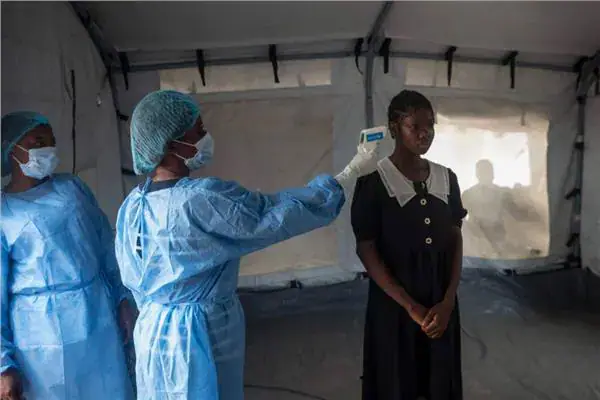
The death toll from the Ebola outbreak in the Democratic Republic of Congo has exceeded 5,000, with 5,026 fatalities reported from a total of 10,351 cases, according to the Congolese Ministry of Health. The virus has a fatality rate of nearly 50%, with 2,788 people recovering so far. The current outbreak, which began in mid-May, is attributed to the Bundibugyo virus, a strain of Ebola that has proven difficult to contain.
This outbreak is the second deadliest in history, after the 2014-2016 West African epidemic that killed approximately 11,000 people. Dr. Patrick Otim, a World Health Organization official, emphasized the humanitarian crisis caused by the rising death toll, which reflects the devastating impact on affected families and communities. Currently, there is no specific vaccine or treatment for the Bundibugyo virus; medical professionals can only provide symptomatic treatment and supportive care.
The virus has spread to 67 health zones out of 178, covering eight provinces out of 26 in the country. The majority of cases are concentrated in eastern Congo, particularly in the provinces of Ituri and North Kivu, which have reported 9,782 cases and 4,792 deaths. Health authorities face challenges in tracking contacts and conducting necessary tests, crucial steps in limiting the spread of the disease.
According to the Africa Centres for Disease Control and Prevention, about 80% of new infections come from individuals not on the contact lists being monitored, indicating that there are still unknown transmission chains. This development has raised concerns about the potential for further spread.
The outbreak has not been limited to Congo, as Kenya and Nigeria reported cases in October, and Uganda had previously confirmed infections. Kenya reported eight cases and two deaths, while Nigeria evacuated its single confirmed case to Switzerland for medical care. The appearance of cases in multiple countries has sparked fears of a broader outbreak.
Health experts warn that ongoing conflicts, resource shortages, and delayed detection of cases may complicate efforts to contain the virus, placing additional pressure on the health systems of affected countries. The international community is closely monitoring the situation, with the World Health Organization and other health organizations working to support the response efforts.
The situation remains critical, with the potential for further spread and increased mortality. The World Health Organization and other global health authorities continue to work with local health officials to contain the outbreak and provide support to those affected.
Key points
- The Ebola outbreak in Congo has resulted in over 5,000 deaths and spread to neighboring countries, sparking concerns of a wider outbreak.
- The Bundibugyo virus has a fatality rate of nearly 50%, with no specific vaccine or treatment available.
- Ongoing conflicts, resource shortages, and delayed detection of cases may complicate efforts to contain the virus.