A power struggle is unfolding within Libya's unity government, led by Abdul Hamid Dbeiba, as key figures jockey for position ahead of potential changes to the country's leadership. The developments have raised questions about the future of the government and the balance of power within it. With international efforts underway to push for a new political settlement, the internal dynamics of the government are coming under increasing scrutiny. Dbeiba's government has been in power since 2021, but its term is set to expire.
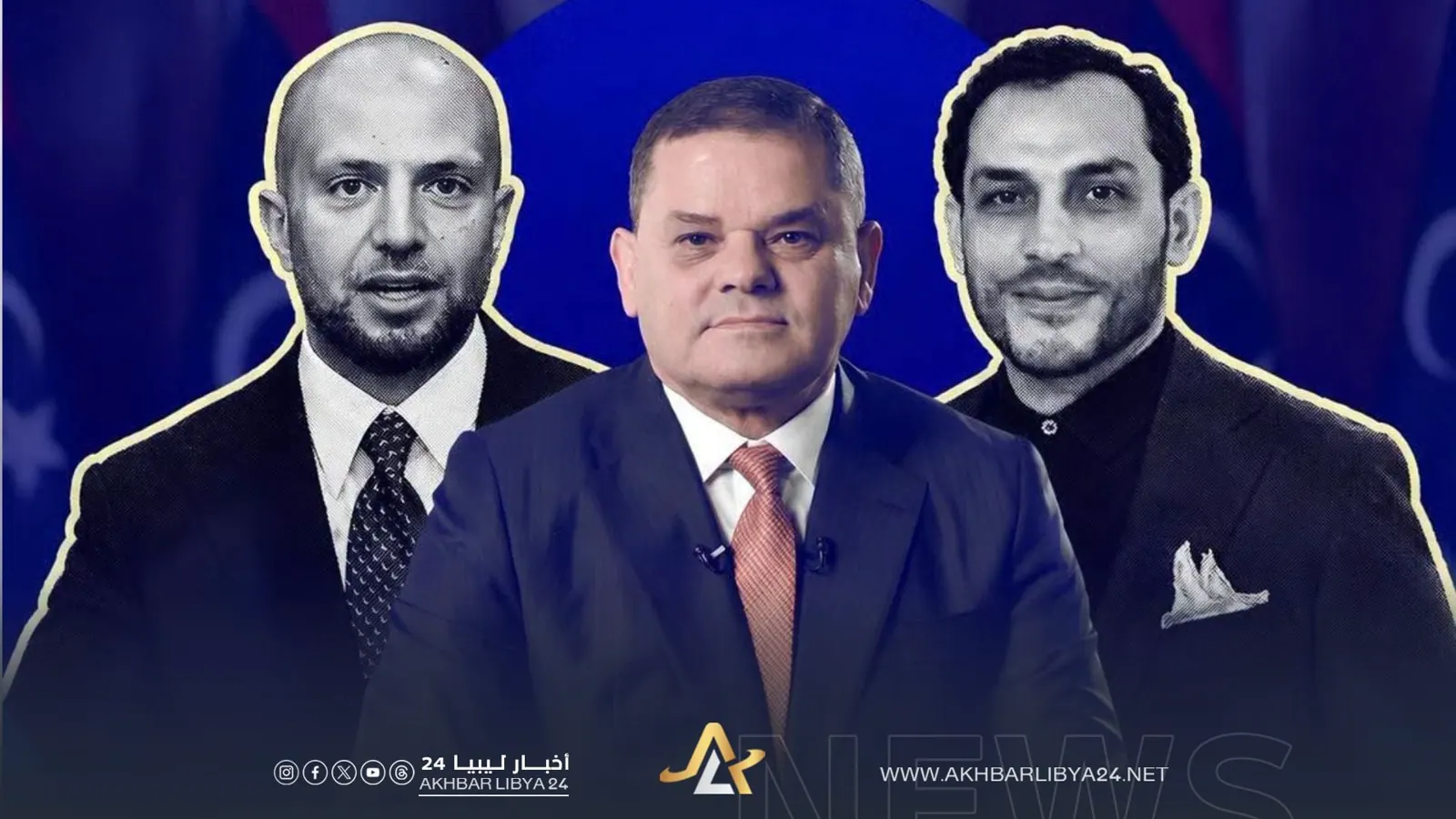
The competition for influence is centered around several key figures, including Dbeiba's son, Mohamed, and his national security adviser, Ibrahim Dbeiba. Other key players include Minister of State for Communication and Political Affairs, Walid Al-Lafi, and head of the Executive Team for Strategic Initiatives, Mustafa Al-Mangoush. These individuals have been involved in high-level meetings and have played important roles in shaping the government's policies. Their influence is likely to be crucial in determining the course of events in the coming weeks and months.
Ibrahim Dbeiba has been increasingly prominent in recent months, attending high-level meetings and playing a key role in shaping the government's policies on issues such as energy and migration. His growing influence has been seen as a significant development, with some analysts suggesting that he may be positioning himself for a more prominent role in the government. Ibrahim Dbeiba's rise has also been noted by international observers, who see him as a key player in the country's future.
The power struggle within the government is taking place against a backdrop of international efforts to push for a new political settlement in Libya. The United Nations has been actively engaged in talks with Libyan leaders, with the aim of securing a peaceful transfer of power. These efforts have been complicated by the internal dynamics of the government, with different factions vying for influence. The international community is keen to see a stable and peaceful transition of power in Libya.
Mohamed Dbeiba, the son of the prime minister, has also been active in recent months, attending events and engaging in activities that have been seen as an attempt to build his own profile. While it is unclear what his long-term ambitions are, his increased visibility has been noted by observers. Some analysts have suggested that he may be positioning himself for a more prominent role in the government, potentially even a leadership role.
Walid Al-Lafi has maintained a high profile, attending meetings with international officials and playing a key role in shaping the government's policies on issues such as communication and political affairs. His continued influence is likely to be important in determining the course of events in the coming weeks and months. Al-Lafi has been a key player in the government's efforts to engage with the international community and secure support for its policies.
The outcome of the power struggle within the government is far from clear, but it is likely to have significant implications for the future of Libya. The country's leaders will need to navigate a complex web of alliances and rivalries if they are to secure a peaceful transfer of power. The international community will be watching closely, with many hoping that Libya can avoid further instability and conflict. The next few weeks and months will be crucial in determining the course of events in Libya.
Key points
- The power struggle within Libya's unity government is intensifying as key figures vie for influence ahead of potential changes to the country's leadership.
- The competition for influence is centered around several key figures, including Dbeiba's son, Mohamed, and his national security adviser, Ibrahim Dbeiba.
- The outcome of the power struggle will have significant implications for the future of Libya and its people.