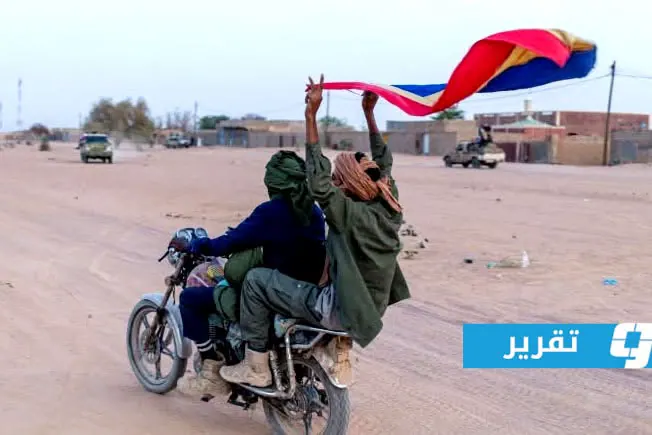
The struggle for dominance in the African Sahel region has intensified as the Russia-Ukraine conflict extends its reach into the continent. Countries in the Sahel region, including Mali, Niger, and Burkina Faso, have recently severed diplomatic ties with Ukraine. These nations have aligned themselves with Russia, accusing Ukraine of supporting separatist and terrorist groups in the region. Ukraine has denied any involvement, describing the allegations as a Russian disinformation campaign.
The Sahel region has become a critical front in the Russia-Ukraine rivalry, with both sides vying for influence. Ukraine has pledged to counter Russia's growing presence in the region, which has been facilitated by the Sahel countries' desire to distance themselves from France, their former colonial power. The situation has led to a complex web of alliances, with Russia providing military support to the Sahel countries, while Ukraine seeks to bolster its relationships with local groups.
Ukraine's involvement in the Sahel region has been shrouded in mystery, with conflicting reports about the extent of its support for local groups. According to sources, Ukraine has provided training and support to the Azawad separatist movement in Mali, which is linked to Al-Qaeda. The Ukrainian government has denied any direct involvement, but former Ukrainian intelligence chief Kyrylo Budanov hinted at the presence of Ukrainian operatives in the region.
The Azawad separatist movement has been engaged in a long-running conflict with the Malian government, and its ties to Al-Qaeda have raised concerns about the potential for extremist groups to gain a foothold in the region. Ukraine's support for the group has been seen as a strategic move to counter Russia's influence in the Sahel region. However, the situation remains complex, with multiple actors vying for control.
The Russia-Ukraine conflict has significant implications for the Sahel region, which is already struggling with instability and extremist groups. The region's countries are seeking to balance their relationships with global powers, while navigating their own internal conflicts. The international community is closely watching the situation, as it has the potential to escalate into a broader conflict.
The Ukrainian government's strategy to expand its influence in Africa has included the opening of new embassies and diplomatic missions. In March, Ukraine unveiled its first strategy to increase its presence in Africa, and in August, President Volodymyr Zelensky asked his ambassadors to focus on building relationships in the Sahel region and other parts of the continent.
The situation in the Sahel region remains fluid, with multiple actors vying for influence. The Russia-Ukraine conflict has added a new layer of complexity to the region's already fragile security situation. As the international community continues to monitor the situation, it remains to be seen how the conflict will play out and what implications it will have for the region and the wider world.
Key points
- Ukraine has denied any direct involvement in the Sahel region, describing allegations of support for separatist groups as a Russian disinformation campaign.
- The Sahel region has become a critical front in the Russia-Ukraine rivalry, with both sides vying for influence.
- The situation in the Sahel region has significant implications for regional stability and global security.