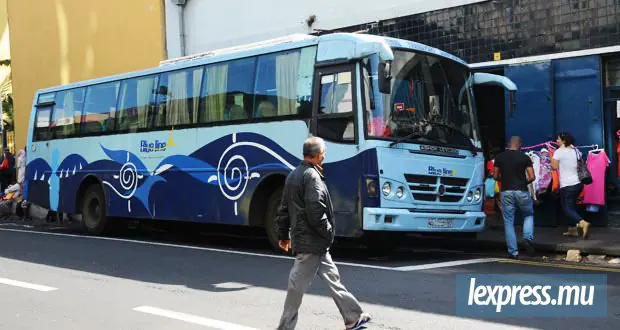
A wave of absences hit the Compagnie nationale de transport (CNT) in Mauritius on September 29, 2026, with approximately 80 employees declaring themselves unable to work due to illness. This unexpected absence caused disruptions to several bus lines, particularly in the regions of Henrietta, La Marie, and Glen-Park. The affected areas are significant, as they are in the midst of national exams, with students taking the School Certificate (SC) and Higher School Certificate (HSC).
The new scheduling system, developed using artificial intelligence, aims to optimize the distribution of overtime hours and make bonus allocation more equitable. However, the Platform Travayer Transport CNT, affiliated with the Confédération des travailleurs des secteurs public et privé (CTSP), strongly opposes the implementation of this system. According to the union, the new roster was imposed without consultation, contrary to the collective agreement of 2013.
The union's concerns revolve around potential decreases in remuneration, increases in working hours, and deregulation of schedules, which could have repercussions on employees' mental health and passenger safety. They argue that the Occupational Safety and Health Act allows workers to cease work in the face of imminent danger if the planning is maintained. The union demands the immediate suspension of the planning and an urgent meeting with the management.
Reeaz Chuttoo, president of the CTSP, asserts that the problem goes beyond overtime, highlighting a lack of social dialogue. He claims that the director does not allow for negotiation and refuses the presence of negotiators, despite the minister's request. According to Chuttoo, the roster only considers legal provisions, disregarding the 2013 agreement.
The situation has drawn the attention of the Minister of Land Transport, Osman Mahomed, who intervened on the morning of September 29. He described the employees' attitude as "inacceptable" and emphasized that thousands of candidates are taking part in the SC and HSC exams. Mahomed assured that he is in contact with the Senior Chief Executive of the Ministry of Education and Human Resources and that no major incidents had been reported by midday.
The Minister warned that employees who called in sick would have to answer for their actions and that the CNT management guaranteed a return to normal operations on the same day. A backup plan was considered, involving soliciting other bus companies if the disruptions continued. The Platform Travayer Transport CNT reiterated that it does not seek confrontation or a general strike but rather an official meeting with the management.
The conflict highlights the challenges faced by public transportation services in Mauritius, particularly during critical periods such as national exams. The outcome of the negotiations between the union and the CNT management will likely determine whether the situation escalates into a larger social conflict. For now, passengers are bearing the brunt of the disruptions, with many expressing frustration on social media about the recurrent problems on certain CNT lines.
Key points
- The dispute centers on a new scheduling system implemented without consultation, which the union fears will lead to decreased remuneration and increased working hours.