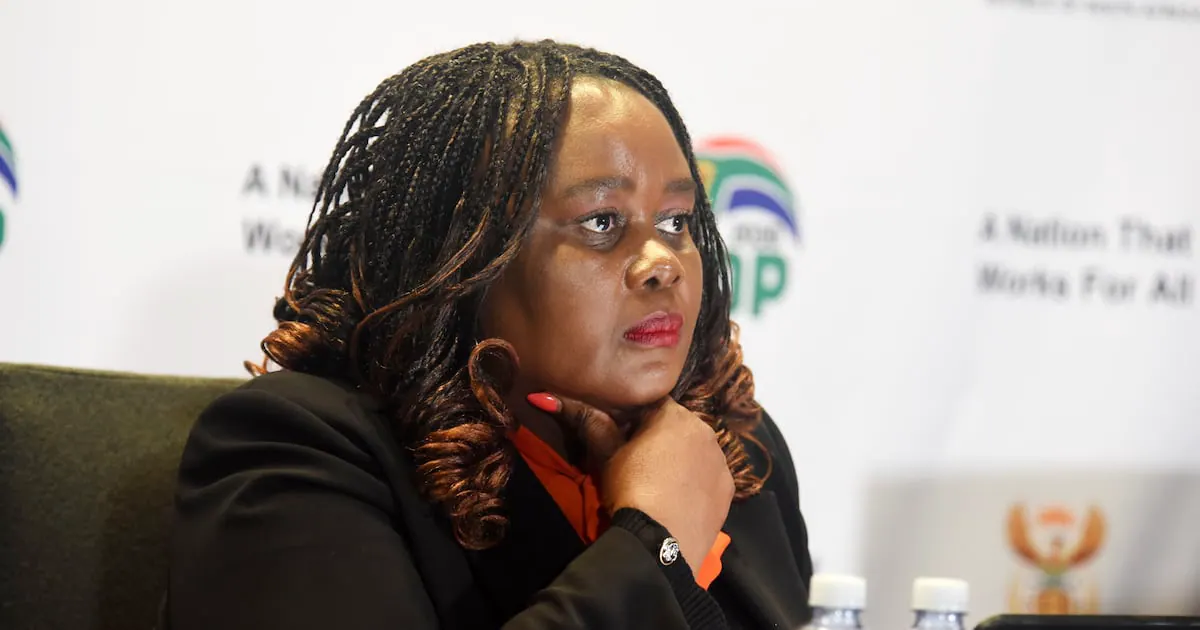
On Thursday, Justice and Constitutional Development Minister Mmamoloko Kubayi addressed the implications of a July Constitutional Court judgment that has sparked concern over migration and queues at refugee centres. The court struck down certain provisions of the Refugees Act that had blocked people from accessing the asylum system on procedural grounds. Kubayi emphasised that the judgment aims to ensure asylum seekers' claims are assessed on their merits.
The Constitutional Court found that certain barriers, such as irregular entry into South Africa, not holding an asylum transit visa, or failing to report to a Refugee Reception Office within the required period, could exclude asylum seekers without their claims being assessed. This was found to violate the principle of non-refoulement, which prohibits returning people to countries where they face persecution or serious harm. The judgment requires that individuals claiming asylum be allowed to enter the formal determination process.
Kubayi clarified that the judgment does not grant refugee status or permanent residence automatically, nor does it legalise unlawful migration. Applications that are fraudulent, abusive, unfounded, or do not meet the requirements of the Refugees Act will still be rejected. Those who fail to qualify will still face deportation after due process. The government retains its full right to enforce the Immigration Act.
Kubayi also addressed misinformation circulating on social media, stating that the ruling does not confer new rights, including voting rights for refugees. She rejected claims that home affairs offices will be overwhelmed and unable to serve South African citizens. Asylum applications are processed only at the country’s five dedicated refugee centres.
In a significant development, Kubayi announced that refugee centres will be relocated from inland areas to border regions in a phased approach starting in December. This aims to allow applications to be processed closer to ports of entry so that unsuccessful applicants can be turned back without entering the interior.
The inter-ministerial committee (IMC) continues to implement President Cyril Ramaphosa’s five-point plan on migration management. This includes work on hijacked buildings, the cancellation of abused traffic registration numbers, and the drafting of new migration legislation following public participation on the white paper.
Kubayi urged the public to remain calm and avoid blockading home affairs offices, warning that such actions could prevent South African citizens from accessing essential services. The government seeks to balance the need to manage migration with the imperative to protect asylum seekers' rights.
Key points
- The Constitutional Court judgment does not grant automatic refugee status or legalise unlawful migration.
- Refugee centres will be relocated to border regions to process applications closer to ports of entry.
- The government retains its right to enforce the Immigration Act and deport those who do not qualify for asylum.