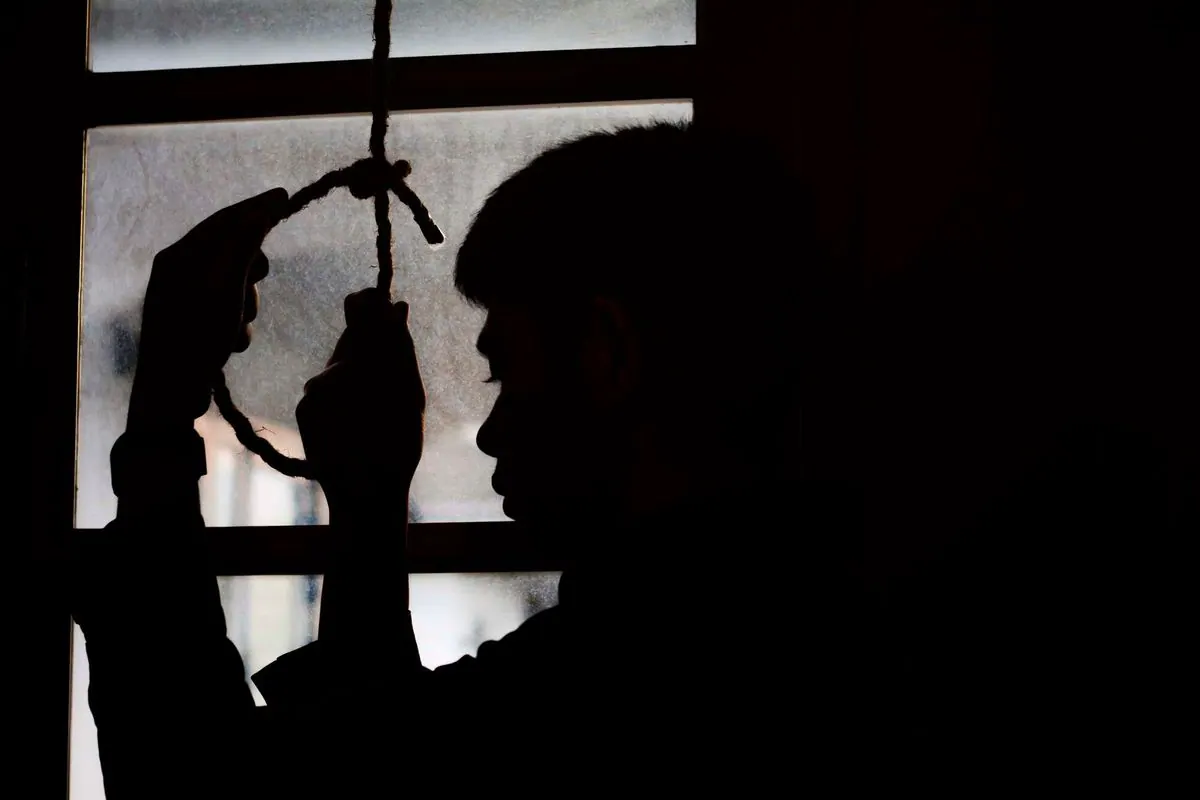
Kenya is grappling with a significant suicide crisis, with the Kenya Medical Research Institute (Kemri) reporting that approximately four people take their lives daily. Additionally, an average of 470 cases of attempted suicide are reported to the police each year. However, Kemri notes that these figures are likely an underestimate. The World Health Organisation (WHO) also reports that Africa has the highest suicide mortality rate globally, at 11.2 per 100,000 people, significantly above the global average of 9.0.
The stigma surrounding mental distress in Kenya has been a longstanding issue, but recent developments have brought hope for change. In January 2025, the High Court made a landmark judgment, declaring that the criminalisation of attempted suicide was unconstitutional. This ruling recognised that mental health crises should be treated as medical issues rather than criminal matters. This shift in perspective is seen as a crucial step towards addressing the problem.
Changing the narrative on suicide requires a multifaceted approach that involves various stakeholders. One key area of focus is creating a culture of speaking, where individuals feel comfortable expressing their struggles without fear of judgment. This is particularly important for men, who are often socialised to suffer in silence. By encouraging open discussions, Kenyans can work towards breaking down the unrealistic expectation to always appear strong.
Mental health is just as important as physical health, and it is essential to treat individuals experiencing emotional exhaustion and mental health issues with the same care and compassion. Employers, families, and communities can play a vital role in creating opportunities for people to connect and share their experiences, not just in times of crisis but as part of everyday life. This can help prevent mental health issues from escalating.
Organisations are taking steps to address mental health concerns. For instance, AAR Insurance has implemented a dedicated staff wellness program that includes health talks and medical camps. This initiative aims to make mental health an ongoing, shared institutional habit and create an environment where employees feel safe, supported, and valued. Such efforts can serve as a model for other organisations to follow.
The government can also contribute to changing the narrative by improving the availability of mental health services. Integrating support into primary healthcare for communities outside of the workplace can help increase access to these services. Furthermore, families can encourage greater understanding by listening without judgment and providing a safe space for open discussion. These collective efforts can help establish an environment where asking for support is viewed as a sign of strength rather than something shameful.
Ultimately, changing the narrative on suicide in Kenya requires a sustained and collaborative effort from all stakeholders. By working together, Kenyans can build a society where individuals feel comfortable seeking help and discussing their mental health struggles without fear of stigma or judgment. This can involve small, deliberate acts, such as being supportive and empathetic towards those struggling, and creating a culture of care and understanding.
Key points
- Kenya loses about four people to suicide daily, with 470 attempted cases reported annually.
- The High Court declared that the criminalisation of attempted suicide was unconstitutional in January 2025.
- Changing the narrative on suicide requires a multifaceted approach that involves various stakeholders, including employers, families, and communities.