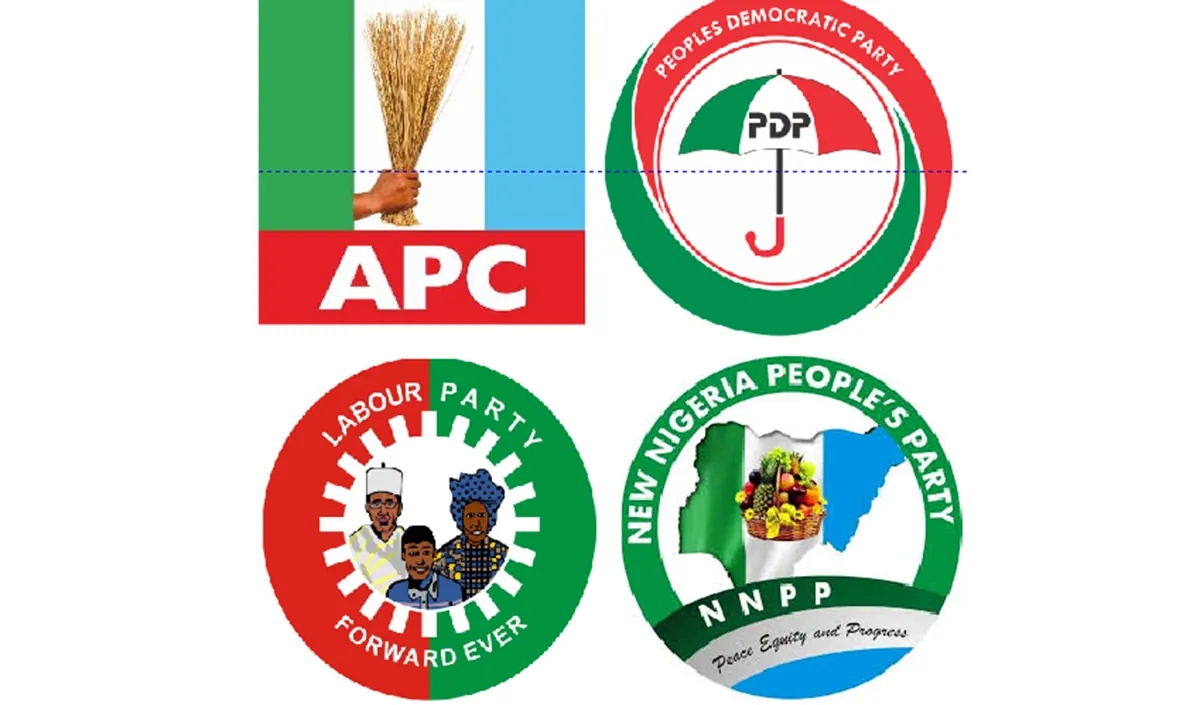
As the 2027 general elections approach, Nigerians have expressed concern over the source of funding for the 18 political parties eligible to field presidential candidates. The Electoral Act 2026 has doubled the campaign spending limit for presidential candidates to N10 billion and increased the governorship ceiling to N3 billion. For National Assembly seats, Senatorial and House of Reps candidates will spend N500 million and N250 million respectively, while State Assembly candidates will spend N100 million.
The ruling All Progressives Congress (APC) has unveiled President Bola Tinubu's 2027 Presidential Campaign Council, sparking concerns over the inclusion of public officials. Zacch Adedeji, Executive Chairman of the Nigeria Revenue Service, and Tanimu Yakubu, Director-General of the Budget Office of the Federation, are among those listed. Opposition figures have alleged that public funds would be used to drive the APC's campaigns.
Senator Ajibola Basiru, National Secretary of the APC, stated that the party would fund its presidential campaigns mainly from monthly statutory dues of its 12.6 million registered members. He justified the inclusion of public officials in the campaign council, saying they would bring their expertise to the campaign.
The APC's Deputy National Publicity Secretary, Honourable Duro Meseko, dismissed allegations that the party would fund its campaigns with public funds. He stated that the party would also generate funds from the sales of Expression of Interest and Nomination Forms. Meseko accused opposition parties of being "mischievous" and attempting to discredit the APC.
The Peoples Democratic Party (PDP) plans to limit its budget for the elections to the provisions of the Electoral Act 2026 but is unwilling to disclose its sources of funding. The party's National Publicity Secretary, Honourable Jungudo Haruna Mohammed, stated that the law does not compel parties to disclose their sources of funding, only that they stay within the prescribed limits.
The Labour Party (LP) has described its campaign strategy as "conservative" and "cost-effective." National Publicity Secretary, Mr Ken Asogwa, stated that the party's approach would not require "mega spendings." Various Civil Society Organizations (CSOs) have called for transparency and enforcement of campaign finance laws.
CSOs have expressed concerns over the enforcement of campaign finance laws, citing historical breaches. Director, Centre for Democracy and Development, CDD-West Africa, Dr. Dauda Garuba, stated that the campaign finance ceiling has never worked in the past. The Executive Director of Civil Society Legislative Advocacy Centre (CISLAC), Auwal Musa Rafsanjani, warned that campaign finance is becoming a major test of electoral integrity ahead of the 2027 elections.
Key points
- The Electoral Act 2026 has increased campaign spending limits for various elective positions.
- Concerns have been raised over the inclusion of public officials in the APC's campaign council.
- CSOs have called for transparency and enforcement of campaign finance laws.