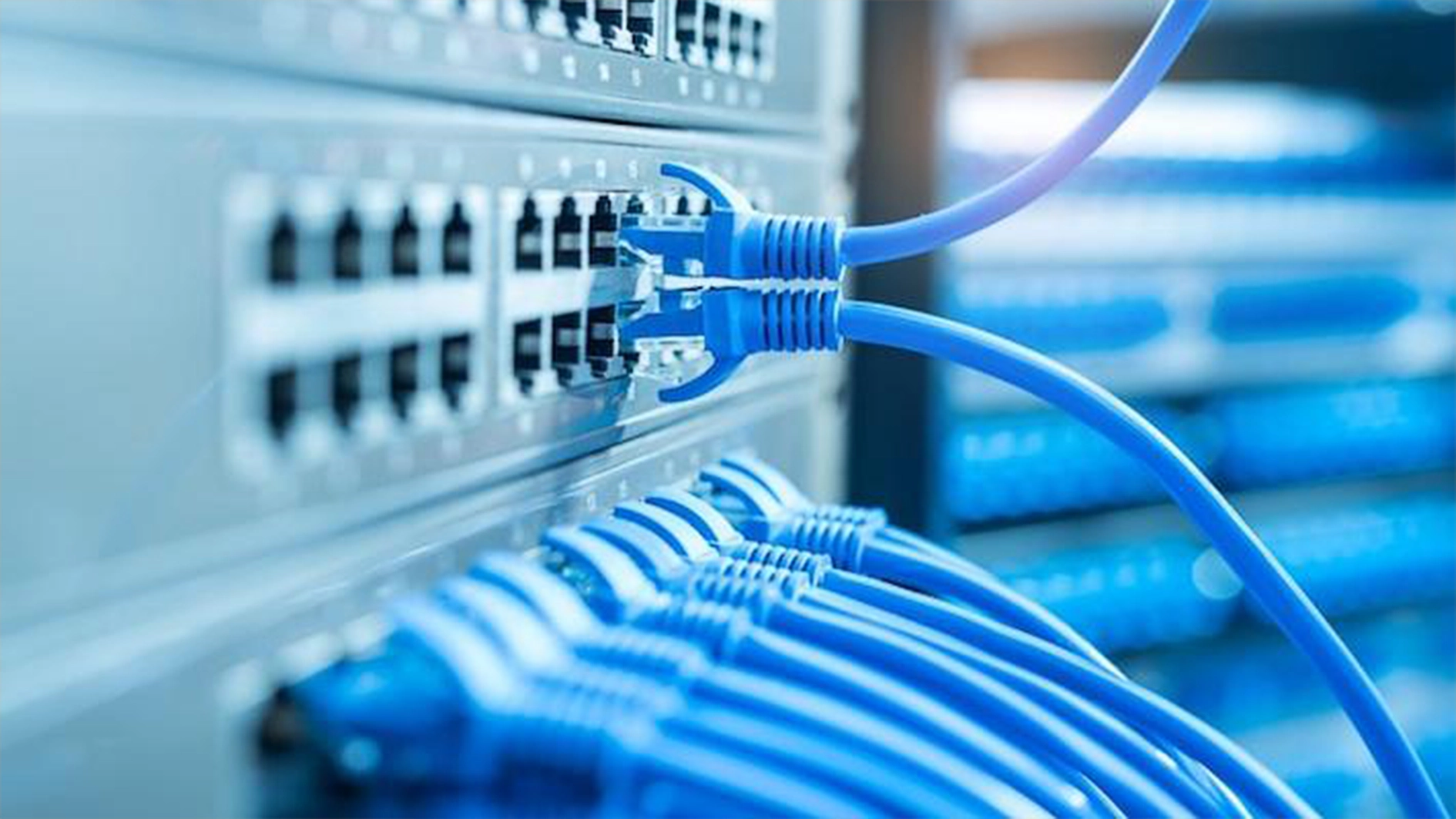
Competition among Internet Service Providers (ISPs) in Nigeria has intensified, driving significant improvements in service delivery and accessibility. According to the Nigerian Communications Commission (NCC) data for Q2, subscriber growth surged by 34.2 per cent within the last one year. This trend reflects a broader shift in Nigeria's digital economy, where connectivity is increasingly seen as a critical driver of innovation and inclusion.
The growth in subscriptions is attributed to aggressive pricing strategies, improved infrastructure investments, and the entry of new players into the market. With more options available, consumers are benefiting from faster speeds and more reliable services, while ISPs are compelled to innovate to retain and attract customers. The competitive landscape is reshaping Nigeria's broadband sector, positioning it as a key enabler of economic growth and digital transformation.
The Guardian analysis showed that active subscribers, which were 313,713 as of Q2 2025, grew to 420,989 as of the same period in 2026. This represents an increase of 107,296 customers in the last one year. Further analysis revealed that 125 ISPs have between zero and 2000 active subscribers, while 23 players boast of 2001 and above users.
Leading players within the segment include Spectranet, Starlink, FibreOne, Field Base, Swift, ipNX, Broadbased, Tizeti, NgCom, Luli Fibra, Cyberspace, and VDT. Among the subscribers, 138,769 are very active Wired (Fixed/FTTH) users, while Active Wireless Broadband users were 282,220. The ISPs boast of 2,893 points of presence (PoP) spread nationwide.
According to Kenny Joda, Head of Regulatory and Public Relations, the growth is linked to several factors, including growing dependence on stable home broadband, network expansion by leading ISPs, and more competitive pricing and product innovation. He also mentioned accelerated digital adoption by businesses and improved quality of experience due to significant upgrade projects.
Kehinde Aluko, a former NITEL staff member, noted that major ISPs like Spectranet, Starlink, and FibreOne dominate nearly 70 per cent of the market, leveraging scale and capital to expand aggressively. He disclosed that smaller ISPs face challenges but are forced to innovate or cut prices, which benefits consumers with more affordable options. Aluko also mentioned that fibre connections grew nearly 3.8x in 18 months, reaching about 320,000 connections by mid-2026.
Despite the growth, challenges persist, including high operating costs, bandwidth prices, right-of-way fees, and spectrum scarcity, which remain barriers for smaller ISPs. Joda and Aluko emphasized the need for regulatory support, enforcement of Critical National Infrastructure (CNI) protections, and enhanced penalties for vandalism and deliberate fibre cuts to further strengthen the sector.
Key points
- The Nigerian Communications Commission (NCC) data shows a 34.2% growth in ISP subscribers in a year.
- Competition among ISPs drives improvements in service delivery and accessibility.
- Major ISPs dominate 70% of the market, while smaller providers face challenges.