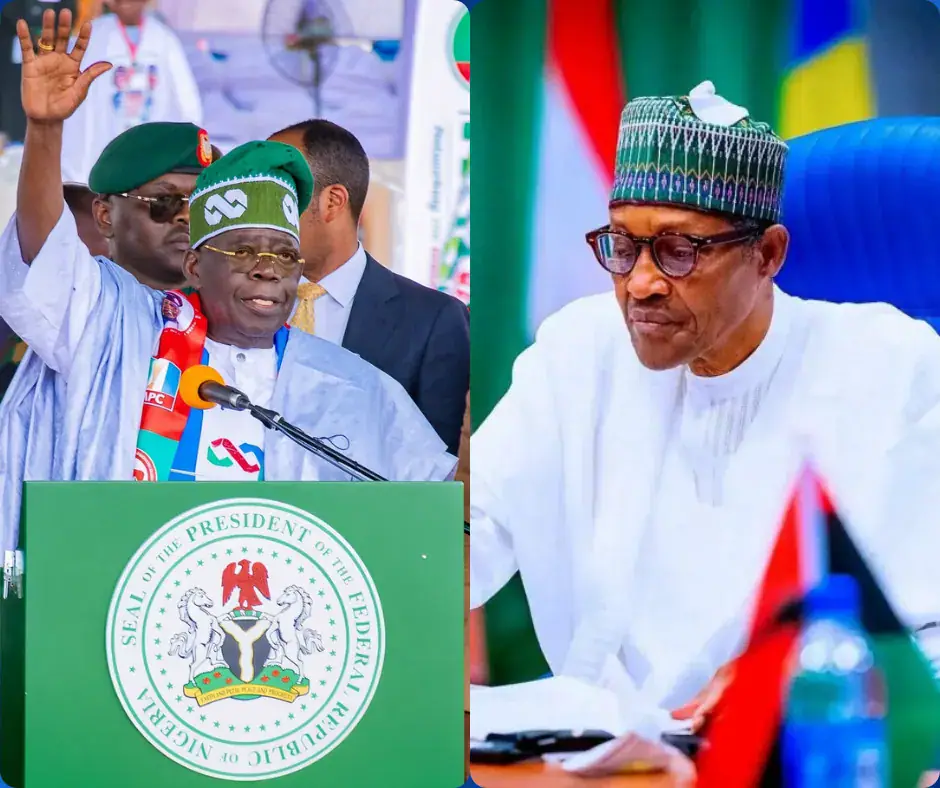
A recent discussion among Nigerians has centered on comparing the economic welfare of citizens during the tenures of former President Muhammadu Buhari and current President Bola Ahmed Tinubu. Many citizens have shared their opinions on whether they were better off under Buhari or Tinubu, with some arguing that Buhari's era was more favorable due to subsidized fuel prices and transportation costs. However, others have countered that Tinubu's policies have increased the financial burden on citizens.
According to some respondents, including Sani Anwar and Muhammad Bakir, the cost of living was relatively easier during Buhari's presidency, particularly with regards to fuel and transportation costs, which were subsidized by the government. However, Abdulmalik B. Muhammad noted that while Buhari's era had its challenges, such as a falling naira and high inflation, Tinubu's policies have further exacerbated the financial struggles of ordinary Nigerians.
The removal of fuel subsidies and changes in economic policies under Tinubu have been cited as major factors contributing to the increased cost of living. Although Tinubu has increased the minimum wage from 30,000 to 70,000 naira, the rising costs of food and other essential goods have offset the benefits of this increase. Sadik Suleiman emphasized that the quality of governance should be measured by how it improves the lives of ordinary citizens, rather than just focusing on economic indicators.
Yusuf Muhammad observed that while the cost of living began to rise during Buhari's presidency, it has worsened under Tinubu. However, some respondents, like Abdullahi Umar, believe that Buhari's era was more favorable in terms of economic welfare, despite the challenges faced. The general consensus is that both administrations have failed to adequately address the economic struggles of Nigerians.
Safiyya Rabiu Al noted that both Buhari and Tinubu have failed to provide effective leadership and alleviate the suffering of Nigerians. The discussion highlights the need for policymakers to prioritize the welfare of ordinary citizens and implement policies that address the pressing economic challenges facing the country.
The debate underscores the complexities of evaluating the impact of different administrations on the economic welfare of citizens. While some argue that Buhari's era was more favorable due to subsidized fuel prices, others contend that Tinubu's policies have further exacerbated the financial struggles of ordinary Nigerians.
Ultimately, the discussion emphasizes the need for a more nuanced understanding of the factors that influence economic welfare and the importance of prioritizing the needs of ordinary citizens in policymaking. By engaging in such discussions, Nigerians can hold their leaders accountable and advocate for policies that promote economic stability and prosperity.
Key points
- The economic welfare of Nigerians has been a subject of discussion, with some arguing that they were better off under Muhammadu Buhari, while others believe Bola Ahmed Tinubu's policies have worsened their financial struggles.