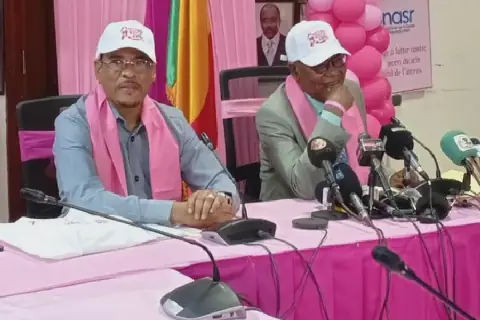
The Comoros National Center for Documentation and Scientific Research (Cndrs) recently hosted a conference on monitoring the ozone layer and ultraviolet (UV) radiation in the country. The event, held on September 30, brought together experts from various fields, including Dr. Abdoulwahab Mohamed Toihir, a researcher specializing in atmospheric physics and chemistry. Dr. Toihir, who set up the first observatory to measure total ozone and UV radiation in Comoros, emphasized the importance of addressing this issue, particularly for workers who spend long hours outdoors.
During the conference, Dr. Toihir explained that UV radiation, part of the solar radiation spectrum, is categorized into three types: UVC, UVB, and UVA. He noted that Comoros, being close to the equator, is particularly vulnerable to UV radiation due to its geographical location. The country's proximity to the equator, combined with the thinning of the ozone layer, allows extreme levels of UV radiation to reach the surface, with an index exceeding 11. This poses significant risks to the population, especially workers in outdoor sectors such as fishing, agriculture, and construction.
Dr. Toihir highlighted the crucial role of the ozone layer in protecting the planet from UV radiation. He explained that while UVC radiation is fully absorbed by the atmosphere, UVB and UVA radiation can reach the surface, causing harm to humans. The intensity of UV radiation depends on several factors, including distance from the sun, latitude, altitude, and ozone levels. The peak danger period is between 10 am and 4 pm, during which exposure can lead to severe burns and long-term health risks.
The conference also addressed the health consequences of prolonged UV radiation exposure. Dr. Toihir cited several health risks, including conjunctivitis, skin cancer, cataracts, and depigmentation, which can leave the skin vulnerable to further damage. To mitigate these risks, he stressed the need for regular measurements of UV radiation and the dissemination of information to the public. This can be achieved through the use of a UV index, which will enable authorities to alert the population and promote protective measures.
Comoros has joined a regional network for monitoring UV radiation in the Indian Ocean, alongside Mauritius, Mozambique, the Seychelles, Madagascar, and La Réunion. This collaboration has facilitated the installation of a radiometer at the Moroni station to measure UV radiation levels. Dr. Toihir emphasized that these observations will help inform the population and encourage protective behaviors against daily UV exposure.
The collected data have already contributed to the publication of a scientific paper on Comoros' exposure to UV radiation. Dr. Toihir expressed his appreciation for the collaboration between Cndrs and his research team, which has enabled the country to take a proactive approach to addressing this critical issue. He also stressed the importance of continued research and monitoring to ensure the well-being of the population.
The conference concluded with a call to action for increased awareness and cooperation to mitigate the effects of UV radiation exposure in Comoros. Key stakeholders, including government agencies, researchers, and the general public, are expected to work together to develop strategies for reducing the risks associated with UV radiation. By taking a proactive approach, Comoros aims to minimize the adverse impacts of UV radiation on the health and well-being of its citizens.
Key points
- Comoros' proximity to the equator and thinning ozone layer make it particularly vulnerable to UV radiation.
- Prolonged exposure to UV radiation can lead to severe health risks, including skin cancer and cataracts.
- The country has joined a regional network for monitoring UV radiation, enabling better information sharing and coordination.