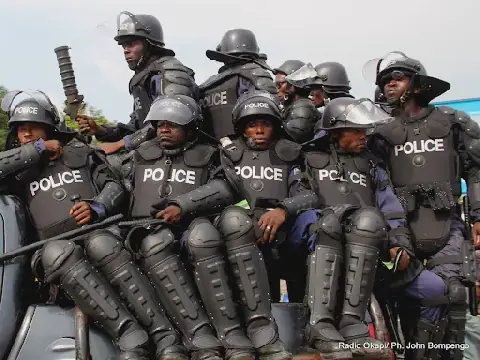
A journalist from the island of Mwali, Nourina Abdoul-Djabar, was summoned to the national police headquarters in Fomboni on September 30. She was questioned about a Facebook post discussing the salaries and working conditions of Comoros national police officers. The post had been published a few days earlier and included details about the salary of a police officer recruited in 2012.
According to the police commissioner, Mifouza Tamadoune, no charges were filed against the journalist, and she was not detained for long. The commissioner did not specify the exact nature of the questions asked during the interrogation. The journalist claimed that the investigators were trying to identify her sources for the information.
The National Union of Journalists in Comoros (Snjc) reacted to the incident, denouncing any pressure aimed at forcing a journalist to reveal their sources. The union recalled that Article 153 of the Information Code states that journalists are not required to disclose their sources and should not be intimidated by public authorities.
The Snjc noted that this incident is not an isolated case, citing a similar incident involving another journalist from Al-watwan, Abdou Moustoifa, who was questioned by police for over three hours on November 17. The union called on the authorities to end any pressure against the journalist and to fully respect press freedom.
The incident has reignited the debate on the protection of journalistic sources and working conditions for journalists in Comoros. The journalist's Facebook post had sparked interest in the salaries and working conditions of police officers in the country. The police have not commented on whether they will investigate the matter further.
Nourina Abdoul-Djabar's case has raised concerns about the relationship between the media and law enforcement in Comoros. The journalist's employer, Al-watwan, has not made a public statement on the matter. The incident has sparked a wider discussion on the role of journalists in holding those in power accountable.
The Comoros government has not issued a statement on the incident, but the Snjc is calling for greater respect for press freedom and the protection of journalistic sources. The union is urging the authorities to create a safer and more supportive environment for journalists to work in.
Key points
- The incident highlights the challenges faced by journalists in Comoros, particularly in accessing information and protecting their sources.
- The National Union of Journalists in Comoros is calling for greater respect for press freedom and the protection of journalistic sources.
- The incident has reignited the debate on the protection of journalistic sources and working conditions for journalists in Comoros.