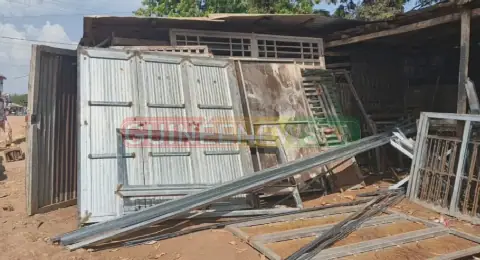
The Comoros' traditional architecture heavily relies on wood, which poses significant conservation challenges due to degradation and lack of specialized skills. To address this issue, the Collectif du patrimoine des Comores (Cpc) has launched the "Salt & Stone" project, a practical training initiative focused on wood conservation. The project, running from November 17 to December 2, aims to enhance local skills in traditional restoration techniques.
The project, supported by the International National Trusts Organisation (Into) and the Alliance internationale pour la protection du patrimoine (Aliph), is being implemented in partnership with Zanzibar Stone Town Heritage Society (Zsths). The training, taking place in Ndzuani, targets 14 participants, including two experienced individuals, and covers various modules on heritage conservation, wood properties, historical architectural elements, and conservation methods.
According to Hoshil H. Dhanji, technical director of the "Salt & Stone" project, wooden elements in Comorian architecture reflect the country's cultural influences, showcasing Islamic and Swahili traditions. However, these elements face significant degradation threats, primarily from humidity, which facilitates termite and insect attacks. The project's practical component focuses on conservation and repair methods, including assembly, connection works, and protection treatments.
The Cpc's initiative addresses a pressing need, as several buildings in Comoros require restoration work. Oumrati Anli Oichekh, Cpc's coordinator in Ndzuani, emphasizes the importance of strengthening local skills in wood conservation, given the material's prevalence in traditional construction. The project also aims to promote traditional craftsmanship while incorporating modern methods with caution.
The Cpc plans to maintain contact with the trained participants and engage them in future projects, as the current restoration initiatives require qualified labor. Additionally, the project's technical director recommends integrating these teachings into professional education institutions, allowing participants to practice and hone their skills under proper guidance.
Another challenge facing conservation efforts is the cost and availability of wood, which often leads to imports and increased project costs. Experts stress the need for sustainable production to meet future demands and encourage property owners and institutions to invest in conservation. With proper care, wooden elements can endure for generations, as seen in many historical buildings in Comoros' medinas.
The training program also attracts participants from diverse backgrounds, including Binti Anziza Ahmed Abdou Saïd, a civil engineering graduate and the only female participant. She sees the training as an opportunity to acquire complementary skills and apply her knowledge to preserve Comoros' cultural heritage.
Key points
- The "Salt & Stone" project aims to enhance local skills in traditional wood conservation techniques.
- Wooden elements in Comorian architecture reflect the country's cultural influences and require preservation.
- The project's focus on practical training and traditional craftsmanship aims to promote sustainable conservation practices.