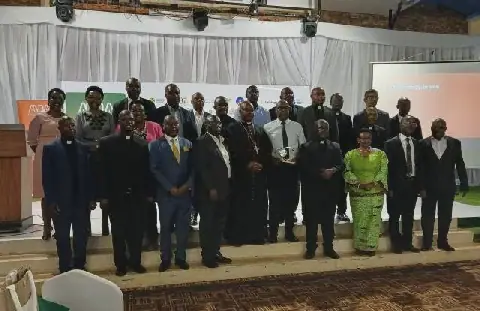
A recent forum on Comoros' cultural and creative industries brought together professionals from various sectors to discuss the challenges they face. The event, organized by Qamar Créatives, was held at the Alliance française in Moroni. Participants included musicians, fashion designers, artists, and authors who shared their experiences and highlighted the difficulties that hinder the development of their sectors. They emphasized the need for better support and resources to grow the cultural industries.
The forum's discussions revealed common challenges across different disciplines, including limited access to resources, inadequate training, and difficulties in promoting their work. Abderemane Cheikh, a prominent rapper and music producer, spoke about the struggles he faced in the 1990s, when access to information, studios, and resources was limited. He emphasized the importance of providing accessible workspaces and tools for young artists. Other participants, such as Zamouanta Saïd Hamza, a fashion designer, and Rahim El Had Ahamada, a cultural manager, also shared their concerns.
The lack of recognition for behind-the-scenes professionals was highlighted as a significant issue. Zamouanta Saïd Hamza stressed that those who work behind the scenes, such as stylists, makeup artists, and producers, often go unacknowledged. She argued that these professionals should be recognized and valued for their contributions. Rahim El Had Ahamada added that many artists and cultural professionals in Comoros lack access to information about funding opportunities, festivals, and other resources.
Funding was also a major topic of discussion at the forum. Soumette Ahmed, head of the Ccac-Mavuna organization, emphasized that simply announcing support or providing resources on paper is not enough. He used the analogy of an empty matchbox to illustrate the need for concrete means, training, and long-term accompaniment. Naïma Soulaimana, a representative of the book sector, highlighted the importance of creating favorable conditions for the creation, production, and visibility of literary works.
The forum's participants agreed on the need to move from diagnosis to action. Wahidat Hassani, Director General of Culture at the Ministry of Youth, stated that the recommendations from the forum will contribute to updating the national cultural policy. She also mentioned international conventions, such as the 2005 UNESCO Convention on the Protection and Promotion of the Diversity of Cultural Expressions, which can provide opportunities for funding and support.
The forum's discussions also touched on the importance of structuring the cultural sectors, improving access to training and funding, and promoting Comorian artists and cultural products. Participants emphasized the need for a more coordinated approach to support the growth of the cultural industries. They also highlighted the potential for cultural industries to contribute to the country's economic development.
The next step is to translate the concerns and recommendations into concrete measures. This will require collaboration between government agencies, cultural organizations, and private sector stakeholders. The goal is to help Comoros' cultural industries overcome their current challenges and become a significant contributor to the country's economy. Key players in the sector will need to work together to implement the proposed solutions and create a more supportive environment for Comorian artists and cultural professionals.
Key points
- Limited access to resources and funding hinders the growth of Comoros' cultural industries.
- Professionals in the sector call for better recognition and support for behind-the-scenes workers.
- The need for a coordinated approach to support the development of Comoros' cultural industries.