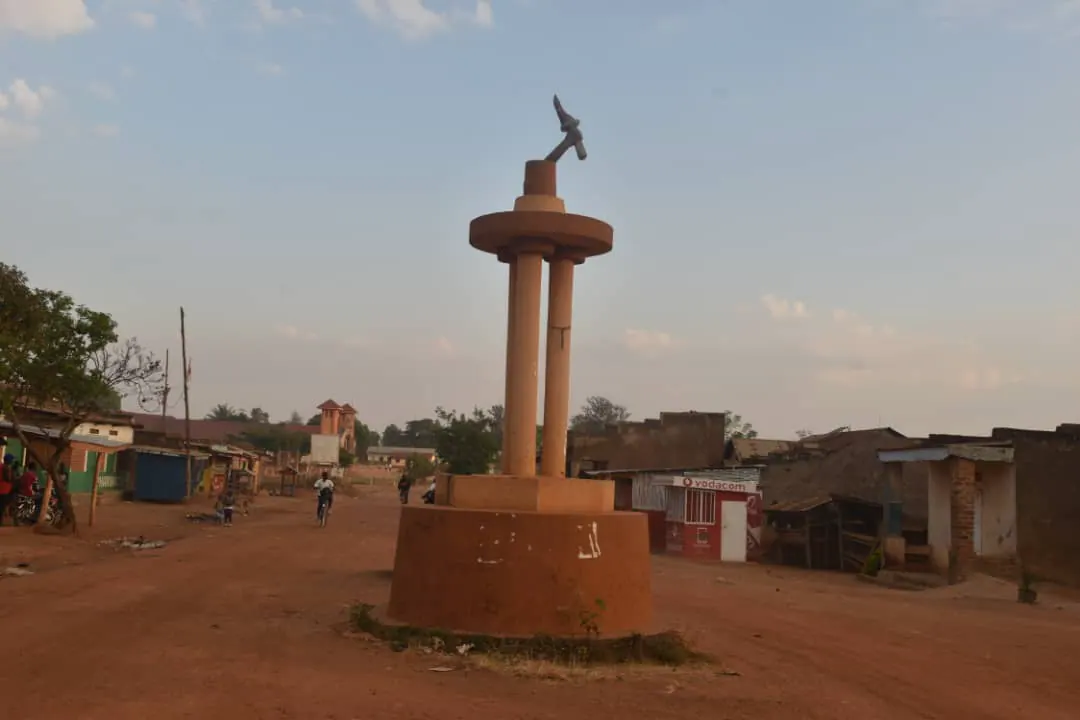
Community leaders in the Ituri province of the Democratic Republic of Congo have issued a call to action, urging the provincial government and leaders of armed groups to convene and evaluate the implementation of the Aru 2 peace agreement. According to the leaders, the failure to adhere to the commitments made by the parties has contributed to the resurgence of violence in the Djugu territory. The Aru 2 agreement, signed in June 2025 in Aru, outlines several key provisions, including the cessation of attacks on civilians and FARDC positions, the prohibition of armed groups from circulating with their weapons, and their commitment to the disarmament process.
The community leaders are seeking a meeting between the parties to assess the level of execution of these commitments, identify challenges, and determine responsibilities for the shortcomings observed. Claude Mateso, one of the community leaders, emphasized that the armed groups should have received closer accompaniment and follow-up within the framework of the peace process. He noted that without proper monitoring, it was inevitable that the situation would deteriorate. The leaders are advocating for the resumption of dialogue and the acceleration of the peace process, as certain areas in Ituri continue to face armed group activism.
In March 2026, the provincial civil society had already called for the acceleration of the disarmament of militiamen and the strengthening of the follow-up to the Aru 2 agreement. The community actors are also requesting a more inclusive peace process, involving the Convention for the Popular Revolution (CRP), led by Thomas Lubanga, which continues its armed activities in certain areas of Ituri. According to Jean-Claude Ngajole, the functioning of the Disarmament, Demobilization, Community Recovery, and Stabilization Program (PDDRC-S) also constitutes a challenge for the implementation of the agreement.
The CRP did not participate in the discussions that led to the Aru 2 agreement, although some signatory armed groups, such as MAPI and Zaïre, later joined this structure, which is not a signatory to the agreement. Community leaders are seeking a resumption of discussions to evaluate the commitments made, broaden participation in the peace process, and revive disarmament efforts in Ituri. The situation in the region remains volatile, with ongoing violence and humanitarian concerns.
According to Radio Okapi, the community leaders' appeal comes amid a backdrop of continued insecurity in the region. The leaders stress that the resurgence of violence is a result of the non-respect of the commitments made by the parties. They are urging all parties to work together to address the challenges and ensure the successful implementation of the Aru 2 agreement.
The Aru 2 agreement was signed in June 2025 in Aru, with the aim of bringing peace and stability to the Ituri region. The agreement outlines several key provisions, including the cessation of attacks on civilians and FARDC positions, the prohibition of armed groups from circulating with their weapons, and their commitment to the disarmament process. However, the implementation of the agreement has faced several challenges, including the lack of participation from certain armed groups.
The community leaders' call for a revival of the dialogue around the Aru 2 agreement has been echoed by the provincial civil society, which has also emphasized the need for a more inclusive peace process. The situation in Ituri remains a pressing concern, with ongoing humanitarian needs and security challenges.
Key points
- Community leaders in Ituri are calling for a meeting to assess the implementation of the Aru 2 peace agreement.
- The agreement, signed in June 2025, aims to bring peace and stability to the region.
- The leaders stress that the resurgence of violence is a result of the non-respect of the commitments made by the parties.