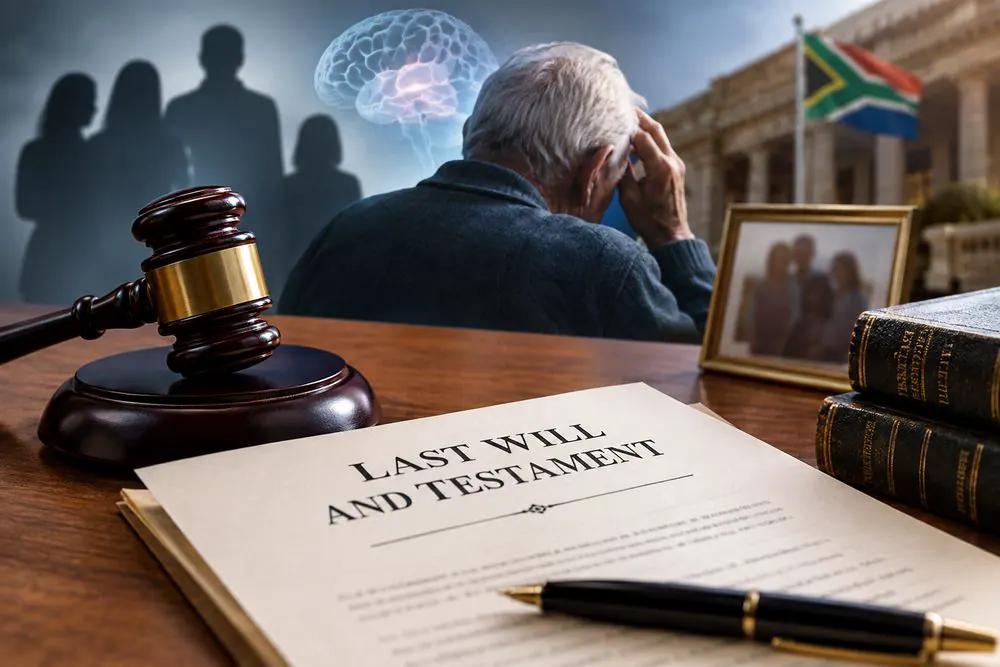
In South Africa, September is Wills Month, a time when financial experts and lawyers emphasize the importance of having a valid will in place. However, many people hold misconceptions about what a will can and cannot do, leading to costly consequences for their families. According to Sanjith Hannuman, a wills expert, 20 common mistakes can affect families, including misunderstandings about how assets are distributed and the role of an executor.
One common misconception is that leaving a spouse "50% of my estate" guarantees they will receive half of the total estate. However, for spouses married in community of property, the joint estate automatically splits 50/50 upon death, and the will only distributes the deceased's remaining 50%. If not explicitly stated, a will can leave the surviving spouse with 75% of the total estate, causing other beneficiaries to receive less than intended. To avoid this, wills for spouses married in community of property must clearly specify which estate a percentage bequest refers to.
Another misconception is that an ex-spouse automatically falls out of a will after a divorce. Under section 2B of the Wills Act, a will made before divorce is treated as if the former spouse died before the testator, but only if the testator dies within three months of the divorce. If the testator dies after three months, an unamended will can still benefit the ex-spouse. Additionally, debts do not disappear upon death, and creditors are settled before any heir inherits, which may require assets to be sold.
Many people also misunderstand how retirement funds and life insurance policies work. Death benefits from a retirement fund fall under section 37C of the Pension Funds Act, and fund trustees, not the will, decide the distribution. Similarly, life insurance and retirement annuities may not automatically go to the estate if a beneficiary has been nominated on the policy. A valid nomination can pay out directly to that person, bypassing the deceased estate and the will.
Some individuals believe they do not need a will if they do not own significant assets. However, an estate can include a home, vehicle, bank accounts, and personal belongings. For parents, guardianship arrangements alone justify a will, regardless of asset value. Moreover, minors cannot inherit directly and manage an inheritance themselves, so a testamentary trust or guardian's fund arrangement is necessary to manage the inheritance.
It is also essential to review and update a will after significant life events, such as marriage, divorce, births, or deaths of beneficiaries. A handwritten note does not qualify as a valid will, and unwitnessed documents can only be rescued by a costly court application. Furthermore, cohabitation without marriage or a registered civil partnership does not create automatic inheritance rights, and a life partner excluded from a will can be left with nothing.
Finally, experts stress that having a will does not automatically mean that family members will know what to do. A will does not disclose its location, the executor's identity, or the existence of other documents. Families should be aware of these details in advance to avoid confusion and disputes. By understanding the common mistakes and misconceptions surrounding wills, individuals can ensure that their wishes are respected and their loved ones are protected.
Key points
- A will that bequeaths "50% of my estate" to a surviving spouse can lead to unintended consequences for other beneficiaries.
- Debt, property, children, and dependants can all necessitate a will, regardless of age.
- Regularly reviewing and updating a will after significant life events is crucial to ensure it remains valid and effective.