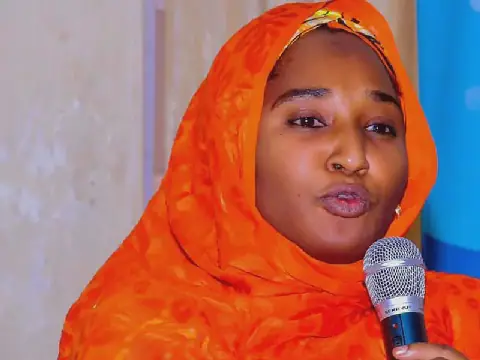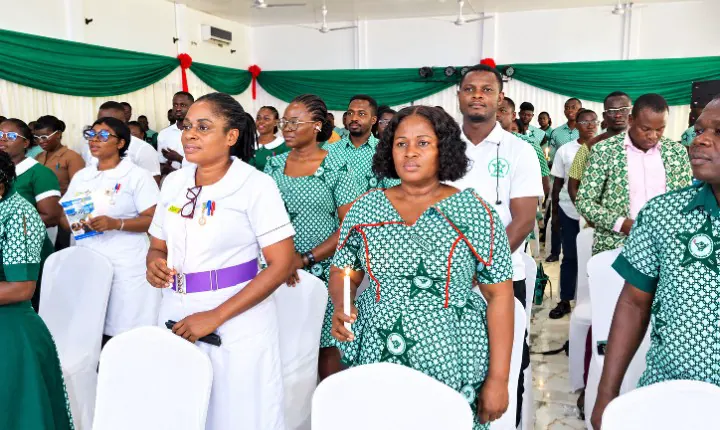
Dr Oliver Commey, Director of Infectious Diseases at Korle Bu Teaching Hospital in Accra, Ghana, has emphasized the need for increased investment in nurses to ensure the success of the country's Free Primary Healthcare programme. He made this call during the launch of the Volta Regional Branch of the Ghana Registered Nurses and Midwives Association (GRNMA) week-long celebration in Ho on Wednesday. The theme of the celebration is "Our Nurses, Our Future: Empowered Nurses Save Lives."
According to Dr Commey, nurses play a vital role in healthcare delivery, from emergency care and maternal health to disease prevention, outbreak surveillance, and long-term management of chronic conditions. He questioned whether nurses have been adequately empowered to save as many lives as they are capable of saving. Dr Commey stressed that empowerment goes beyond recognition and praise, requiring adequate equipment, essential medicines, diagnostic facilities, and opportunities for continuous professional development.
Dr Commey cautioned against treating exhaustion and excessive workloads as evidence of dedication, emphasizing that nurses need the authority, resources, and institutional support to perform their duties safely. He also called for nurses to be represented in decisions on health service delivery, workforce planning, quality improvement, and patient safety. This, he believes, will enable them to contribute effectively to healthcare delivery.
The growing demand for healthcare, changing disease patterns, emerging infections, and new technologies require continuous training, mentorship, clinical simulation, and specialty education for nurses. Dr Commey emphasized that nurses must be empowered to recognize deteriorating patients and raise alarms without professional hierarchy obstructing urgent intervention. This, he believes, will improve patient outcomes and save lives.
The Free Primary Healthcare programme, which aims to increase attendance at health facilities, will place additional pressure on nurses, particularly at community-based facilities. Dr Commey stressed that the programme's success requires adequate numbers of nurses and midwives, clear clinical protocols, reliable medicines and equipment, and functional referral systems, especially in difficult-to-reach areas of the Volta Region.
Dr Commey urged nurses to take responsibility for their own professional growth through evidence-based practice, mentorship, ethical conduct, and continuous learning. He also called on the government, health managers, and institutions to invest in and listen to nurses. Empowering nurses, he believes, will strengthen patient safety, improve healthcare decisions, and help Ghana achieve universal health coverage.
The theme of the GRNMA celebration, "Our Nurses, Our Future: Empowered Nurses Save Lives," must be reflected in actual working conditions and patient outcomes, rather than remaining a slogan. Dr Commey's call for increased investment in nurses is crucial to ensuring the success of the Free Primary Healthcare programme and achieving Ghana's healthcare goals.
Key points
- Dr Oliver Commey calls for increased investment in nurses to strengthen healthcare delivery and sustain the Free Primary Healthcare programme.
- Nurses require adequate equipment, essential medicines, and opportunities for continuous professional development to be empowered.
- Empowering nurses will strengthen patient safety, improve healthcare decisions, and help Ghana achieve universal health coverage.