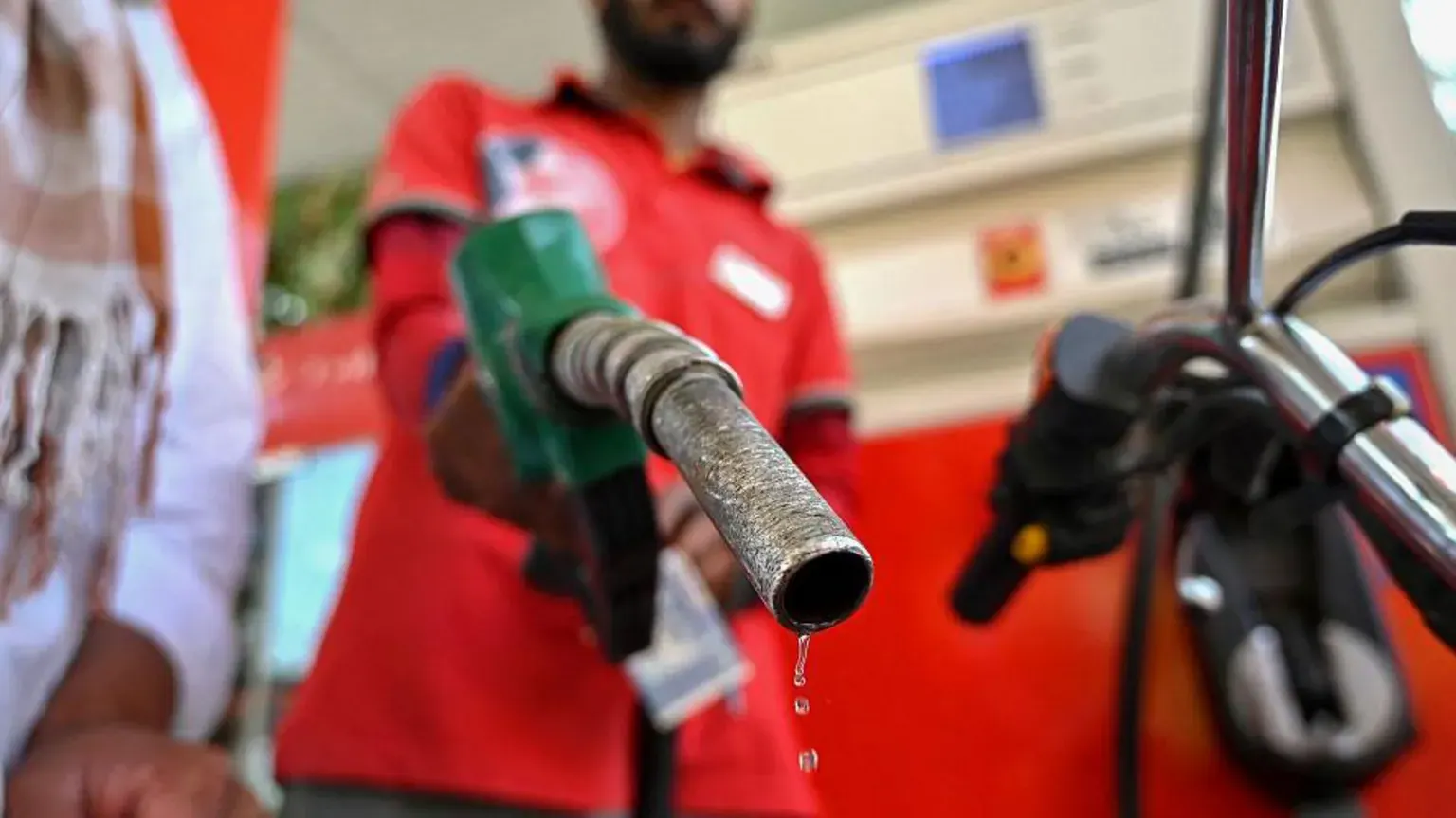
The Chamber of Oil Marketing Companies (COMAC) has clarified that the Uniform Pricing Policy Fund should not be confused with the fuel subsidy provided by the government. According to COMAC's Chief Executive Officer, Dr. Riverson Oppong, the fund ensures that fuel prices remain the same across the country, regardless of location. This policy aims to prevent consumers in areas far from fuel ports from paying significantly higher prices. Dr. Oppong emphasized that the fund's primary purpose is to maintain uniform fuel prices nationwide.
Dr. Oppong drew a distinction between the Uniform Pricing Policy Fund and the fuel subsidy, stressing that the fund should not be treated as a direct charge on government revenue. He noted that government intervention may be necessary, but the real subsidy that affects government budgets comes from taxes and levies. COMAC suggests that the government could consider taxes and levies as a more sustainable way to cushion consumers from rising fuel prices. This approach has been previously advocated by COMAC.
The government has been taking steps to cushion consumers against rising diesel prices amid increasing international oil prices. COMAC welcomes the government's intervention, appreciating the support provided. Dr. Oppong stated that the industry is grateful for the government's help in keeping fuel prices stable. The current fuel prices are a result of the government's efforts to mitigate the impact of rising international oil prices on consumers.
COMAC's Dr. Oppong called for discussions on how increased revenue from Ghana's upstream petroleum sector could be used to support the downstream sector. He suggested that higher-than-projected crude oil revenue could provide an opportunity to cushion businesses and consumers facing pressure in the downstream sector. This could be achieved by sharing the extra profit from the upstream sector with the downstream sector.
Dr. Oppong proposed that the government engage stakeholders on how to share additional revenue from the upstream sector. He emphasized the need for dialogue to ensure that the benefits of increased revenue are shared fairly. This could provide a sustainable solution to the challenges faced by the downstream sector.
The Chamber of Oil Marketing Companies has been advocating for a review of taxes and levies on fuel. According to Dr. Oppong, freezing taxes and levies for some time could help alleviate the pressure on consumers. COMAC has been pushing for this measure to mitigate the impact of rising fuel prices on consumers.
The Uniform Fuel Pricing Fund has been instrumental in maintaining stable fuel prices across the country. COMAC's clarification aims to ensure that the public understands the distinction between the fund and fuel subsidy. The government's continued intervention in the fuel sector has helped keep prices stable, despite rising international oil prices.
Key points
- COMAC's Uniform Pricing Policy Fund ensures uniform fuel prices nationwide.
- The fund is distinct from fuel subsidy and should not be treated as a direct charge on government revenue.
- COMAC advocates for discussions on sharing increased revenue from Ghana's upstream petroleum sector to support the downstream sector.