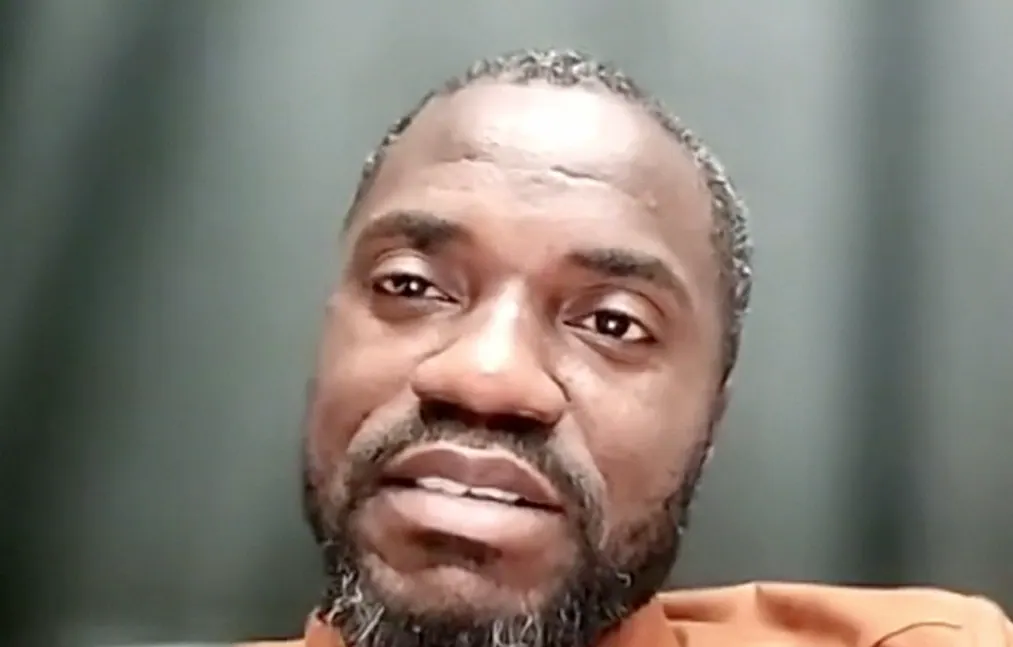
Dr Riverson Oppong, CEO of the Chamber of Oil Marketing Companies (COMAC), has renewed calls for the Ghanaian government to completely deregulate fuel prices. He argues that the state's continued involvement in the downstream petroleum sector contradicts Ghana's free-market credentials. Oppong's comments come as the government continues to subsidize diesel prices despite rising global oil costs.
Oppong has long pushed for a full price deregulation policy, insisting that oil marketing companies are private businesses that raise their own capital and should not have government dictating how they price their products. He questions why a regulator or government body should determine what a private business charges for its goods, especially through mechanisms such as price ceilings or caps.
According to Oppong, the persistence of government intervention in pricing decisions has been one of the biggest challenges he has faced since taking over leadership of COMAC. Although some elements of the pricing structure have been deregulated over time, government interventions remain embedded in the system. The ongoing diesel subsidy is evidence that the state has not fully let go of its pricing role.
The diesel subsidy has acted as a cushion against the full weight of global price swings for Ghanaian motorists, transport operators, and businesses that rely on diesel-powered equipment. However, COMAC's leadership says such interventions should not exist in a genuinely free market. Oppong's remarks follow a period of friction within the downstream petroleum sector.
There has been tension between COMAC and the government over how the downstream sector is run. Recently, Star Oil rejoined COMAC after a nine-month walkout, with the company pushing for reforms. COMAC has also been locked in a dispute with the Finance Ministry over a new customs rule affecting fuel importers.
Ghana's fuel pricing framework permits periodic adjustments at the pumps shaped by government policy, including subsidies like the one currently applied to diesel. A shift toward full deregulation, as COMAC is demanding, would likely mean that international oil price movements pass through to consumers more quickly and without the cushioning effect of subsidies.
The government's response to COMAC's renewed call for full deregulation is unclear, as is the resolution of the ongoing customs rule dispute. The outcome will have direct consequences for ordinary Ghanaians, as pump prices feed into transport fares, the cost of haulage for goods, and ultimately the prices of food and other essentials sold in markets across the country.
Key points
- COMAC CEO Dr Riverson Oppong urges full fuel price deregulation, citing contradictions with Ghana's free-market economy.