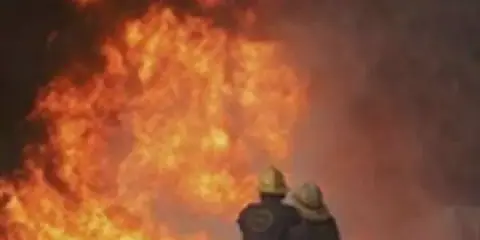
The situation in Gaza continues to deteriorate as Israeli forces expand their presence in the region, pushing Palestinians into increasingly smaller areas. According to international reports, Israeli forces have been targeting sites for displaced persons, exacerbating the already dire humanitarian situation. The Israeli military has been widening its spread to cover 70% of Gaza's land, leading to a significant escalation in the conflict.
In recent developments, Israeli forces have been observed expanding their presence in areas such as the Shijaiyah neighborhood and the eastern regions of the Brij, Deir al-Balah, and Al-Maghazi in central Gaza. The Israeli military has carried out attacks on refugee camps in Shijaiyah, including the demolition of the few remaining buildings in the area. Reports indicate that explosive robots have been used, and a drone dropped ammunition on tents housing displaced families at the Shijaiyah intersection.
The crisis of displacement in Gaza remains acute and chronic, with little chance for displaced persons to return to their original areas, as most of these areas lie behind what is referred to as the "yellow line" and are inaccessible. This forces them to repeatedly displace, with many being forced to flee their homes multiple times. The international community has been urged to intervene and pressure Israel to halt its policy of forced transfer of Palestinians within Gaza.
The situation is further complicated by the restrictions imposed by Israeli forces on the entry of humanitarian aid and shelter materials, as the bombardment continues, despite the announcement of a ceasefire over a year ago. Families are being forced to reside in inadequate shelters and have spent three winters in makeshift tents that offer little protection against the elements.
The events in Gaza are paralleled by demolition and destruction in the city of Hebron, revealing a policy of collective punishment, revenge, and racial discrimination. The use of force aims to impose a coercive reality on Palestinians, pushing them to displace. The international community, particularly countries that are guarantors of the ceasefire agreement, must assume direct responsibility for ensuring its implementation.
It is crucial to transition from commitments to binding international actions to halt killings, demolitions, and introduce aid without restrictions. The international community must take concrete steps to address the humanitarian crisis in Gaza and ensure that Israel, as the occupying power, adheres to its responsibilities under international law.
The humanitarian situation in Gaza demands urgent attention, with the displaced population facing severe challenges, including inadequate shelter, limited access to basic services, and the constant threat of violence. The international community must work towards a sustainable resolution to the conflict, ensuring the protection of civilians and the respect of their rights under international law.
Key points
- The Israeli military's expansion in Gaza has led to significant humanitarian concerns, including the displacement of thousands of Palestinians and the destruction of civilian infrastructure.
- The international community has been urged to intervene and pressure Israel to halt its policy of forced transfer of Palestinians within Gaza.
- The situation in Gaza demands urgent attention, with the displaced population facing severe challenges, including inadequate shelter, limited access to basic services, and the constant threat of violence.