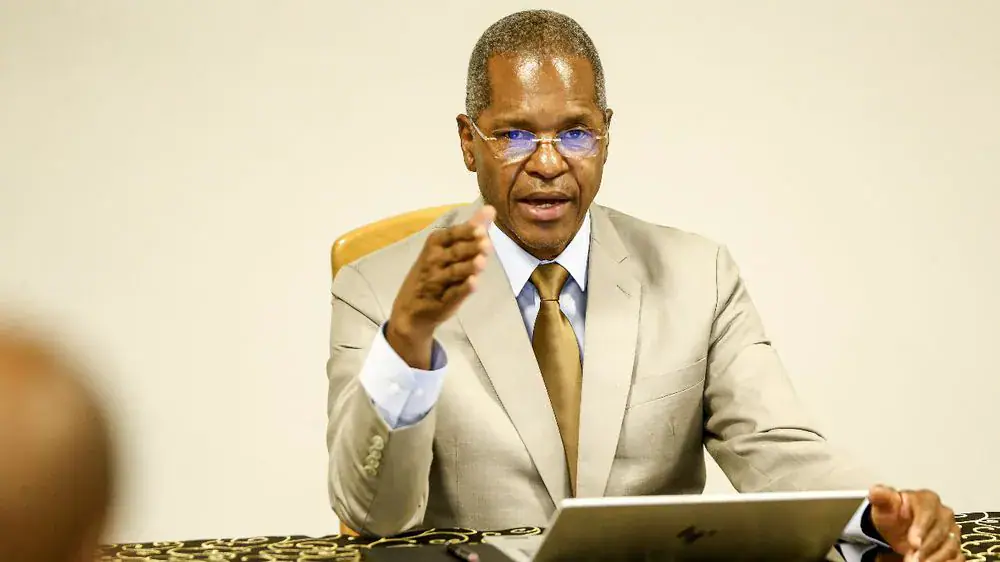
Co-operative Governance and Traditional Affairs (CoGTA) Minister Velenkosini Hlabisa has called on political parties to urgently establish newly elected municipal councils. The 2026 local government election results, published in the Government Gazette on November 4, have allowed elected councillors to formally assume office and municipalities to proceed with constituting their councils. Hlabisa thanked the Electoral Commission of South Africa (IEC) for completing the electoral process but stressed that parties must now act swiftly to establish the new councils in accordance with the Constitution and applicable legislation.
The establishment of new councils comes amid concerns about political instability in municipalities where no single party has secured an outright majority. The Guidelines for Stable Coalitions in Local Government, issued by Hlabisa on November 11, aim to help parties manage coalition arrangements, resolve disputes, and maintain stable municipal leadership. These guidelines encourage parties to promote stability and ensure that political negotiations do not undermine municipal governance. Hlabisa previously warned about the consequences of unstable coalition arrangements, which can negatively impact service delivery to residents.
A significant number of hung councils have resulted from the elections, requiring parties to negotiate coalition arrangements or other forms of cooperation to establish governing majorities. Hlabisa has encouraged parties to use the coalition guidelines to ensure stable governance and prevent political disagreements from interrupting municipal administration and service delivery. The guidelines seek to support effective coalition governance, institutional stability, and uninterrupted service delivery to communities.
Metropolitan and local municipalities must convene their councils within 14 days of the publication of the election results in the Government Gazette, with a deadline of November 27. District municipalities will follow a separate process, with their 14-day period beginning once all local municipalities within their respective districts have been established and elected their representatives to the district council. This means district councils can only be constituted after the relevant local municipalities have completed their own council-formation processes.
Hlabisa has urged parties to act urgently to constitute the elected councils, while encouraging them to follow the Guidelines for Stable Coalitions in Local Government. He emphasized that a dysfunctional council inevitably affects the operations of the administration, which negatively impacts service delivery to residents. The guidelines aim to prevent such disruptions and ensure continuity of municipal administration.
The call for urgent establishment of new councils comes as 127 municipalities face possible instability due to hung councils. Hlabisa's guidelines aim to address these challenges and promote stable governance. By following these guidelines, parties can ensure that municipal governance is not undermined and that service delivery to residents is not disrupted.
As the deadline for establishing new municipal councils approaches, political parties must navigate complex coalition negotiations to ensure stable governance. Hlabisa's emphasis on using the coalition guidelines will be crucial in preventing disruptions to municipal administration and service delivery. The effective establishment of new councils will be essential in maintaining stability and promoting service delivery in municipalities across South Africa.
Key points
- CoGTA Minister Velenkosi Hlabisa has urged parties to establish new municipal councils by November 27.
- The Guidelines for Stable Coalitions in Local Government aim to promote stability and prevent disruptions to municipal administration.
- A significant number of hung councils have resulted from the 2026 local government elections, requiring parties to negotiate coalition arrangements.