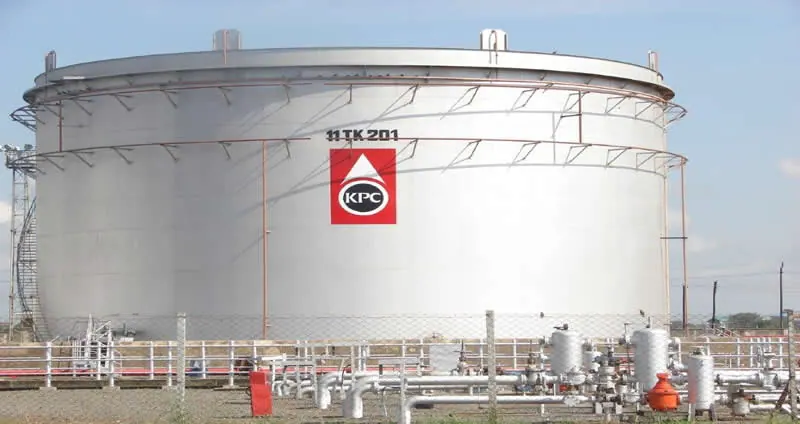
The Consumers Federation of Kenya (COFEK) has filed a petition at the High Court in Nairobi, seeking to stop the implementation of a 25-year crude oil storage and handling agreement between Kenya Petroleum Refineries Limited and Gulf Energy E&P B.V. The agreement, valued at a projected Sh93.68 billion, was signed on August 26, 2026, allowing Gulf Energy to use strategic petroleum infrastructure. COFEK argues that the deal was entered into without public disclosure of its material terms or the process used to select Gulf Energy.
COFEK's petition cites concerns over the legality and transparency of the agreement, arguing that the lack of disclosure raises questions over constitutional transparency, accountability, and regulatory compliance. The organization claims that neither the material terms of the agreement nor the process used to select Gulf Energy have been made public. This, COFEK argues, undermines the principles of transparency and accountability in public procurement.
The consumer lobby is seeking an urgent hearing, warning that allowing the agreement to continue could result in more commercial commitments and operational arrangements being put in place before the dispute is determined. COFEK argues that delaying intervention could leave the court facing a "fait accompli", reducing the practical effect of any orders issued after the agreement has been substantially implemented.
COFEK's petition relies on provisions of the Constitution, the Public Procurement and Asset Disposal Act, the Petroleum Act, the Fair Administrative Action Act, and the Access to Information Act. The organization argues that the case is not limited to the commercial interests of Kenya Petroleum Refineries and Gulf Energy, but also involves the use of strategic petroleum infrastructure and public resources.
The agreement between Kenya Petroleum Refineries and Gulf Energy allows the company to use strategic petroleum infrastructure for 25 years. COFEK wants the court to suspend the deal before further implementation creates contractual and operational obligations that could be difficult to reverse if the court eventually finds that the process was unlawful.
COFEK's certificate of urgency, filed at the High Court in Nairobi, highlights the potential risks of delaying intervention. The organization warns that substantial implementation of the agreement will create long-term contractual and operational commitments which may be difficult, costly, and disruptive to reverse should the petition ultimately succeed.
The court is yet to determine the fate of the agreement. COFEK's petition has raised critical questions about the transparency and accountability in public procurement, particularly in the energy sector. The case will likely have significant implications for future public procurement processes in Kenya.
Key points
- COFEK cites lack of transparency in the agreement between Kenya Petroleum Refineries and Gulf Energy.
- The agreement is valued at a projected Sh93.68 billion and allows Gulf Energy to use strategic petroleum infrastructure for 25 years.
- COFEK's petition relies on provisions of the Constitution and various laws, including the Public Procurement and Asset Disposal Act.