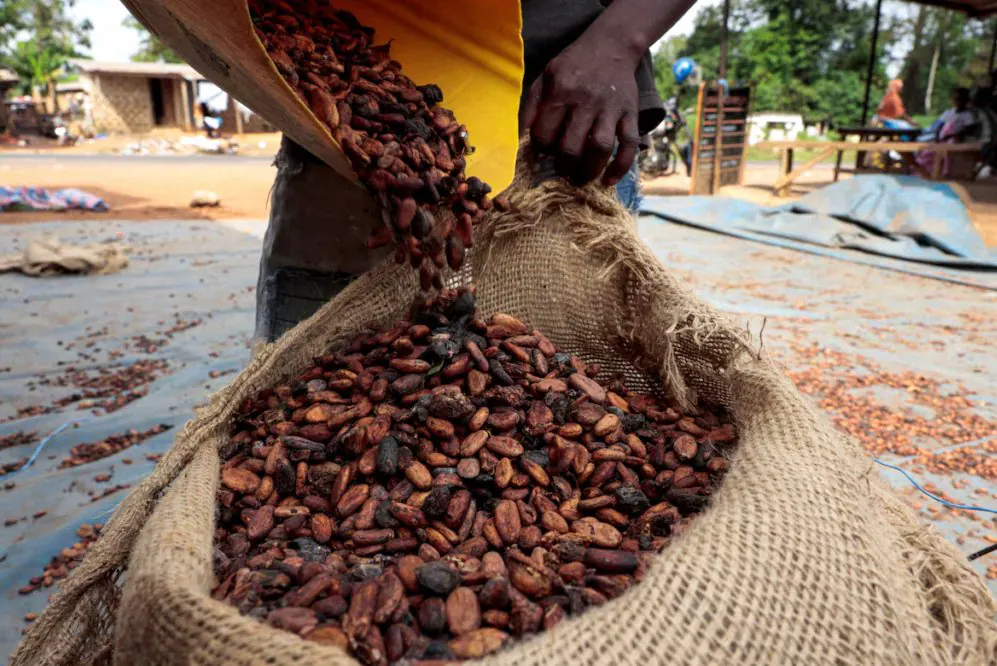
Ghana's cocoa regulator, Cocobod, is seeking GH¢16.3 billion from domestic investors to fund the purchase of cocoa in the coming season. This move comes after a decade-old international loan syndication broke down. The new financing model will use Ghana's own capital markets instead of London or New York banks. According to a government presentation, Cocobod aims to mobilize Ghana's capital market to keep the sector running. The presentation was made to investors last Thursday.
The syndicated loan was not the only funding channel to fall apart. A separate arrangement with international trading houses to pre-finance cocoa purchases also failed last season. This failure contributed to delays in payments reaching farmers, and buyers say uncertainty has continued into this year. The Chamber of Cocoa Marketers reported that its members are still owed roughly 4 billion cedis by Cocobod for the crop bought last season.
To raise the money, Cocobod has set up a new special purpose vehicle called Cocoa Capital PLC. The company is expected to issue its first tranche of debt this week, comprising a 2.3 billion cedi bond and 4 billion cedi in commercial paper. The commercial paper will finance the actual buying of cocoa during the season, while the bonds will refinance existing short-term debt on Cocobod's books.
Repayments on the debt will be backed by cocoa export receivables assigned from selected forward sales contracts. Investors eligible to participate include commercial banks, pension funds, insurance companies, stockbrokers, high-net-worth individuals, and international cocoa buyers. This new financing model is a pivot toward mobilizing Ghana's own capital market.
Ghana is one of the world's two largest cocoa producers, alongside Ivory Coast. Cocoa remains a major foreign exchange earner and a livelihood for hundreds of thousands of Ghanaian farming households. Delayed payments at the start of a season can leave farmers without cash for labour, inputs, and household needs.
The financing gap facing Cocobod comes on the heels of the broader restructuring of state institutions' revenue flows. Ghana and Ivory Coast agreed in June to harmonize their farmgate prices and the start dates of their cocoa seasons. Ivory Coast's season opened on 1 September, but Ghana has yet to announce a start date for its own season.
Cocobod's board stated on social media that the government had engaged investors and described the planned issuance as part of a shift toward using Ghana's domestic capital market to finance the cocoa sector. No date has been given for when the new season will formally begin, and it remains unclear whether the debt issuance will be sufficient to clear the amounts already owed to buyers from last season.
Key points
- Cocobod seeks GH¢16.3 billion from domestic investors after international loan syndication breaks down.
- The new financing model uses Ghana's own capital markets instead of London or New York banks.
- Delayed payments at the start of a season can leave farmers without cash for labour, inputs, and household needs.