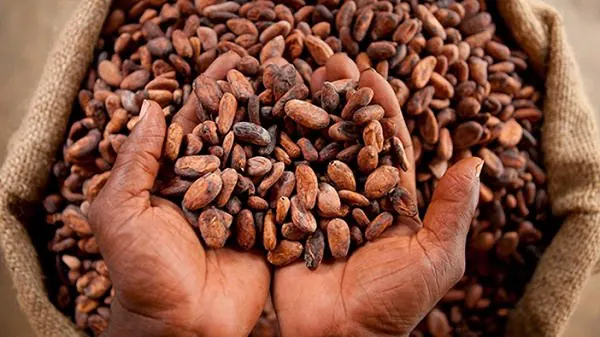
World cocoa prices have experienced a significant surge, climbing by 95.1% since the start of March 2026, according to Fitch Solutions. This increase has been driven largely by anxiety over the 2026/27 cocoa season, with traders pricing in the risk that El Niño weather patterns will choke supply across West Africa's two dominant producers, Côte d'Ivoire and Ghana. The firm's Agribusiness team now expects cocoa to average US$4,990 per tonne in 2026 and climb further to US$5,670 per tonne in 2027.
Despite the global price rally, Ghana's cocoa harvest is not expected to increase. Fitch Solutions forecasts that Ghana's output will remain steady at around 670,000 tonnes, essentially flat year-on-year. In contrast, Côte d'Ivoire's 2026/27 output is projected to fall to 1.7 million tonnes, a decline of 17.5% compared with the previous year. Ghana is not expected to lose as much ground as its neighbour, but it is not expected to gain any either, even as global buyers pay nearly double for the same bag of beans.
The higher prices will partly offset lower production volumes in nominal export earnings, meaning Ghana's foreign exchange receipts from cocoa could still rise somewhat in dollar terms. This is significant for Ghana, as cocoa remains one of the country's most important foreign exchange earners, feeding into everything from the cedi's stability to government revenue. A sustained rise in global prices, even without a production boost, can mean more export dollars flowing into the country.
However, the benefit to individual farmers depends heavily on how much of that global price increase actually reaches the farmgate. Ghana and Côte d'Ivoire both operate government-administered pricing mechanisms, where the state sets the price paid to farmers rather than letting it track the world market directly. This means that there is a built-in lag before today's elevated world prices show up in the amount a cocoa farmer in the Ashanti or Western Region actually receives at the depot.
The lag, combined with flat production, is precisely what fuels smuggling concerns. When global prices rise well above what farmers are paid domestically, the incentive grows to move beans across the border into countries where sellers can capture the higher international price. Fitch Solutions cites 2024 and 2025 as examples, when neighbouring Guinea and Togo recorded sharp increases in cocoa exports, a pattern widely attributed to beans originating in Ghana and Côte d'Ivoire being rerouted.
Not every producer faces the same lag. Fitch Solutions says the price surge will be felt most directly in Nigeria and Cameroon, where cocoa pricing is liberalised, allowing domestic prices paid to farmers to move in closer step with international markets. Ghana and Côte d'Ivoire, with their regulated pricing systems, will see the gains arrive more slowly and more modestly by comparison.
The sources reviewed do not set out any new policy announcements, review dates, or scheduled government response from Accra regarding the pricing mechanism or farmgate adjustments. Fitch Solutions' projections extend through 2027, but no specific date has been provided for when Ghana's own forward-sold contracts or domestic pricing decisions might be revisited in light of the global rally. Whether COCOBOD adjusts the farmgate price ahead of schedule, or whether smuggling pressures intensify as feared, remains to be seen.
Key points
- Global cocoa prices have surged 95% since March 2026, driven by anxiety over El Niño weather patterns.
- Ghana's cocoa harvest is expected to remain steady at around 670,000 tonnes, despite the global price rally.
- The higher prices will partly offset lower production volumes in nominal export earnings, boosting Ghana's foreign exchange receipts from cocoa.