According to the latest Global Organised Crime Index, concerns have been raised by law enforcement officials and civil society stakeholders that certain sections of the Ghanaian government may be protecting illicit markets, contributing to a decline in visible cocaine trafficking in the country. This concern is highlighted in the report, which notes a fall in cocaine seizures and reduced media coverage of the trade. The report does not provide conclusive evidence but records the views attributed to stakeholders.
The Global Organised Crime Index report indicates that despite the decline in visible trafficking, Ghanaian organised crime groups have become significant players in the international cocaine trade. This development suggests that the decrease in seizures may not necessarily reflect a reduction in cocaine trafficking. Stakeholders believe that the decline in visible trafficking could be attributed to political protection being given to illicit markets by sections of the government.
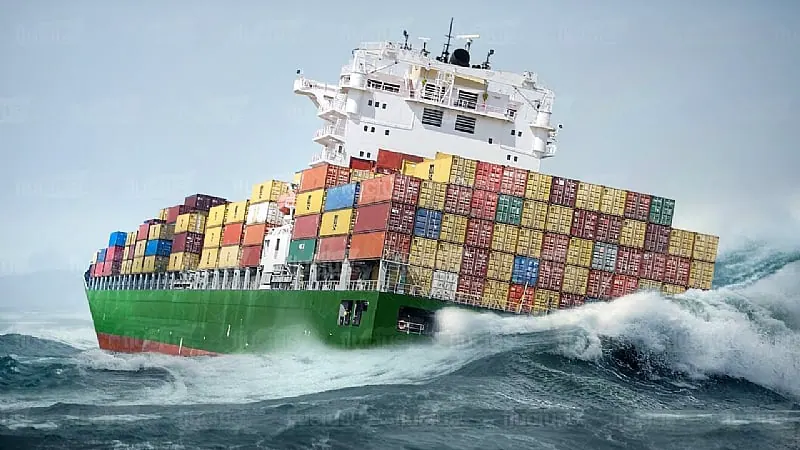
Brazil has been identified as the primary source of cocaine entering Ghana by sea. Shipments are often concealed in sugar containers and moved through intermediary locations before reaching Ghana. The report states that Brazil remains the primary source country for cocaine imported by sea, often concealed in sugar containers and transported through trans-shipment points such as Spain or Turkey.
Cocaine shipments from Brazil to Ghana typically pass through ports at Tema, and to a lesser extent Takoradi. The report highlights that the findings point to a gap between the visibility of cocaine trafficking and the underlying activity. This gap suggests that fewer seizures and less media attention may not reflect a corresponding reduction in the trade.
The concerns raised by stakeholders come against the background of recent cocaine-related arrests and drug seizures in Ghana. The report emphasizes that the decline in seizures does not necessarily mean cocaine trafficking has reduced. Instead, it may indicate a change in the way cocaine is being trafficked into the country.
The Global Organised Crime Index report also notes that Ghanaian organised crime groups have emerged as big players in the global cocaine trade. This development has significant implications for regional and international efforts to combat organised crime.
The report's findings highlight the need for continued vigilance and cooperation between law enforcement agencies and civil society stakeholders to address the issue of cocaine trafficking in Ghana. The concerns raised by stakeholders underscore the importance of addressing potential links between government officials and illicit markets.
Key points
- Brazil is the main source of cocaine in Ghana, often concealed in sugar containers and transported by sea.
- Ghanaian organised crime groups have become significant players in the international cocaine trade.
- The decline in cocaine seizures may not reflect a corresponding reduction in the trade.