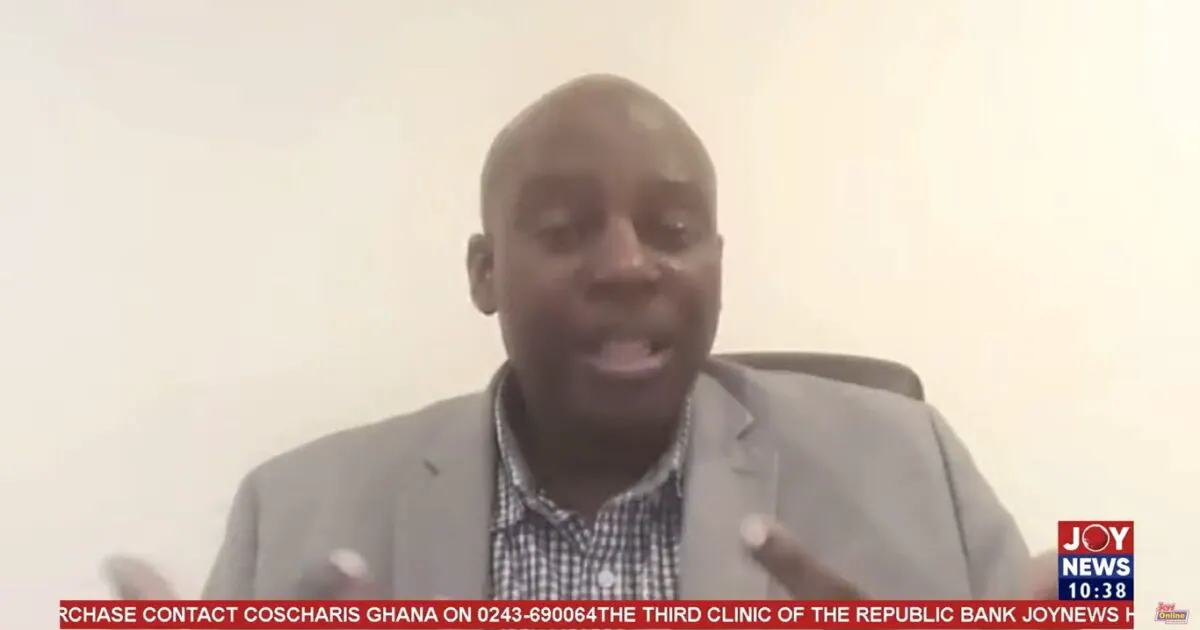
A fellow at the Centre for Democratic Development (CDD-Ghana), Dr. John Osae-Kwapong, has called on Ghana's political parties to shift their focus from blaming each other for the recent cocaine seizure to protecting the country's international reputation. He made these comments on JoyNews' Newsfile on September 26, 2026. The seizure of nearly 3.9 tonnes of cocaine by French customs at the port of Dunkirk, shipped from Ghana, has raised concerns about the country's export controls. Dr. Osae-Kwapong emphasized the need for a bipartisan response to address the concerns raised by the case.
The Minority in Parliament has requested a parliamentary probe into the cocaine busts, citing national security concerns. However, Dr. Osae-Kwapong expressed reservations about the effectiveness of another parliamentary inquiry, citing concerns over the outcomes of previous investigations. He noted that previous inquiries have not yielded meaningful results, and therefore, the focus should be on identifying the real weaknesses exposed by the recent developments.
Dr. Osae-Kwapong stressed that the priority should be to build consensus around measures that can protect Ghana's reputation and prevent similar incidents. He urged the New Patriotic Party (NPP) and the National Democratic Congress (NDC) to move away from blaming successive governments and focus on addressing the case. The goal, he said, is to protect Ghana's image and find a bipartisan way forward.
The cocaine seizure has sparked concerns about Ghana's role in the international drug trade. The country's export controls have been questioned, and there are concerns that drug cartels may be seeing Ghana as an easy route. Dr. Osae-Kwapong's comments come as the government faces criticism for its handling of the issue. The Deputy Director-General of the Narcotics Control Commission (NACOC) has also weighed in on the issue.
The government's dismissal of intelligence on cocaine trafficking has been criticized by some, including Ntim Fordjour, who claims that it has emboldened traffickers. The issue has also sparked debate about the effectiveness of Ghana's anti-drug efforts. The country's anti-drug agency, NACOC, has been working to address the issue, but there are concerns about the scope of its mandate.
Some have argued that a parliamentary probe into the cocaine seizure would be a waste of time. Inusah Fuseini, a member of Parliament, has expressed skepticism about the effectiveness of such an inquiry. However, others believe that a probe is necessary to uncover the truth about the seizure and to address concerns about national security.
The cocaine seizure has highlighted the need for Ghana to strengthen its anti-drug efforts. The country has seen a significant increase in drug arrests, with a 197% jump in arrests under the NDC government. The government has directed the release of 50,000 bags of grain to ECOWAS, and Ghana and Germany are deepening their cooperation on railways and labor mobility.
Key points
- Dr. John Osae-Kwapong urges Ghanaian parties to prioritize national reputation over partisan blame in recent cocaine seizure.
- The Minority in Parliament has requested a parliamentary probe into the cocaine busts, citing national security concerns.
- The cocaine seizure has sparked concerns about Ghana's role in the international drug trade and the effectiveness of its anti-drug efforts.