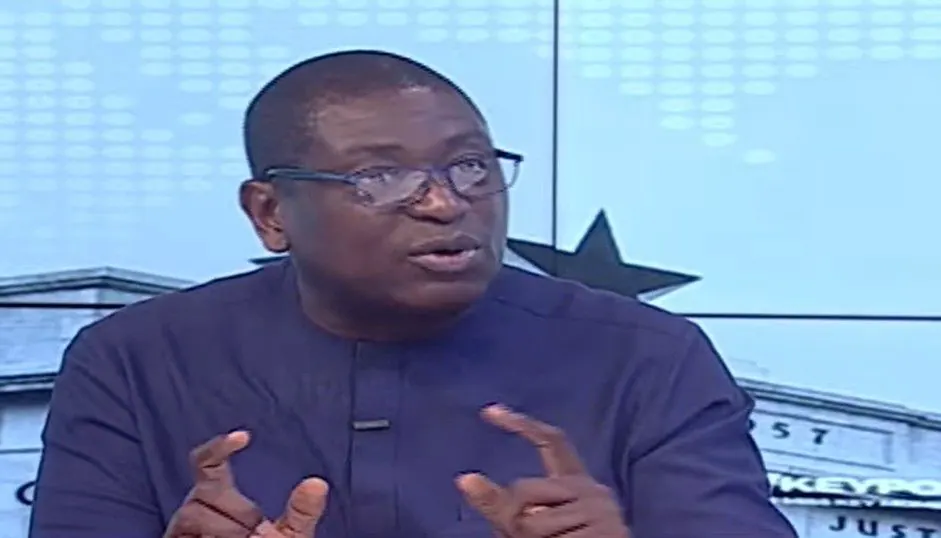
Energy analyst and NPP member, Kwadwo Poku, has expressed concerns about the possible large quantities of cocaine in Ghana. His comments come after a series of seizures of substantial amounts of the drug on the country's roads. Mr. Poku emphasized that the focus should not only be on arrests and seizures made outside of Ghana but also on determining the source and channels through which cocaine enters the country.
Mr. Poku cited previous cocaine seizures in Ghana, including a case involving cocaine concealed under sand in a truck at Pedu and another seizure on the Cape Coast-Takoradi road. He noted that Ghana does not produce cocaine, raising questions about how the drug is entering the country. These incidents have sparked concerns about the scale of the problem.
During an interview on TV3's The KeyPoints, Mr. Poku stated that if large amounts of cocaine are being seized outside of Ghana after passing through the country's ports, a significant amount of the drug must still be within Ghana. He stressed that the issue is not just about making arrests and seizures but also about understanding the scope of the problem.
Mr. Poku's concerns extend beyond cocaine, as he questions what other illicit products might be entering the Ghanaian market undetected. He emphasized that identifying one illicit product is not enough; a broader examination of the market is necessary. The issue has raised questions about the effectiveness of current intelligence and monitoring systems.
The seizures have highlighted the need for improved intelligence and coordination among law enforcement agencies. Mr. Poku asked what intelligence the Narcotics Control Commission (NACOC) has on the movement of cocaine into Ghana. The incident has sparked a national conversation about the country's role in the cocaine trade.
Kwadwo Poku's comments have resonated with many Ghanaians, who are concerned about the impact of the cocaine trade on the country's security and economy. The issue has also raised questions about the capacity of law enforcement agencies to effectively combat the problem. The government has been urged to take a proactive approach to addressing the issue.
The incident serves as a reminder of the ongoing challenges facing Ghana in its efforts to combat the cocaine trade. The country's strategic location makes it a critical transit point for illicit goods. Authorities have been urged to enhance their efforts to detect and disrupt the flow of cocaine and other illicit substances.
Key points
- Energy analyst Kwadwo Poku raises concerns about huge quantities of cocaine in Ghana following a series of seizures on the country's roads.
- Mr. Poku questions how cocaine is entering Ghana and what intelligence NACOC has on the movement of the drug.
- The issue has raised broader concerns about other illicit products that could be entering the Ghanaian market undetected.