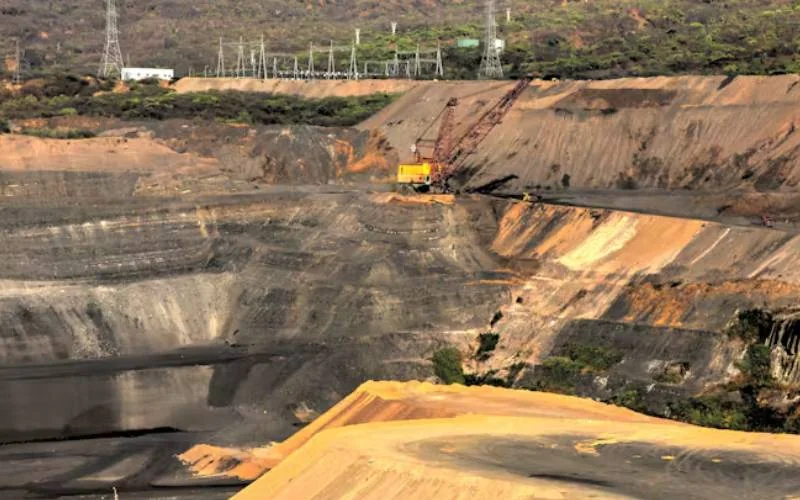
A recent study on households living near the Somkhele opencast coal mine in northern KwaZulu-Natal, South Africa, estimates that residents lost more than R80 million in land, crops, and livestock between 2007 and 2018. The study used an asset-based livelihoods model to assess the impact of the mine on local communities. This model treats livestock, land, and crops as income-generating assets. The research highlights the significant economic losses suffered by households due to the mining activities.
The study surveyed 115 households and found that only 22% of them reported receiving any compensation, amounting to R3.6 million. This represents roughly 4.7% of the total losses identified. In contrast, the researchers project that the compensation needs of the affected households will be at least R157 million by 2038. The disparity between the losses incurred and the compensation provided is striking, with payments from the mining company totaling about 2.3% of the projected loss-and-damage figure.
The study provides detailed statistics on the losses suffered by households. On average, households lost 15 cattle each, and land holdings decreased from 270 to 68 hectares, a 75% reduction worth around R60.6 million. Crop yields also declined significantly, with a 94% collapse in overall crop yields and a 97% decline in maize yields. The number of livestock decreased from 7,574 animals to 2,643, and over 200 homes were lost, forcing families to purchase water that had previously been free.
The researchers, Professor Sarah Bracking of King's College London and Research Fellow Danford Chibvongodze of the University of KwaZulu-Natal, argue that traditional market-replacement valuation methods are inadequate. These methods only compensate for the immediate loss of visible assets and fail to capture ongoing human costs such as health impacts and loss of future income streams. The authors suggest that a more comprehensive approach is needed to assess the true costs of coal mining.
The study's findings have significant implications for the coal mining industry. If coal-mine owners were required to fully account for lifecycle loss and damage, coal projects would likely become financially unattractive compared with renewable alternatives. This could lead to a shift towards more sustainable energy sources and help mitigate the environmental and social impacts of coal mining.
The Somkhele opencast coal mine is a significant operation in South Africa's coal-rich KwaZulu-Natal province. The mine has been in operation since 2007 and has had a substantial impact on local communities. The study's findings highlight the need for greater accountability and compensation for affected communities. They also underscore the importance of considering the long-term costs of coal mining.
The researchers' recommendations for a more comprehensive approach to valuing the impacts of coal mining are likely to resonate with policymakers and stakeholders. As the world transitions towards a low-carbon economy, understanding the true costs of coal mining will be crucial for making informed decisions about energy production and environmental protection. The study's findings will contribute to ongoing debates about the role of coal in South Africa's energy mix and the need for sustainable alternatives.
Key points
- Households near the Somkhele opencast coal mine lost over R80 million in assets, but received only 4.7% of that value in compensation.
- The study projects that the compensation needs of affected households will be at least R157 million by 2038.
- The researchers argue that traditional valuation methods fail to capture ongoing human costs such as health impacts and loss of future income streams.