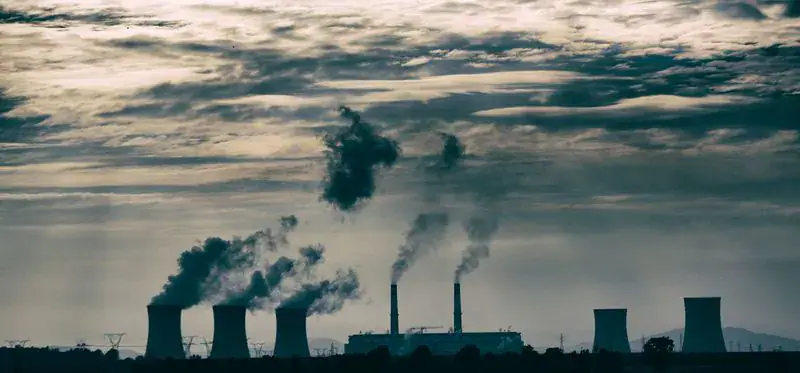
The International Energy Agency (IEA) has forecast that global coal demand will increase by 1.2% in 2026 to reach 8.94 billion tonnes, surpassing the previous annual record of 8.84 billion tonnes set in 2025. This growth is attributed to various factors, including the Iran War, the El Niño weather event, and the collapse of the latest round of UN climate talks. Despite concerns about climate change, coal demand continues to rise. The IEA's coal update reveals that the fossil fuel sector is experiencing a resurgence.
The Iran War has led to a bottleneck in the Strait of Hormuz, reducing global gas supplies and prompting power grids to switch to coal. The destruction of Qatar's natural gas infrastructure, which accounts for 17% of its export capacity, is expected to take three to five years to repair. As a result, coal is filling the void, providing a temporary solution to meet energy demands. The impact of the Iran War on coal demand is expected to be significant.
The El Niño event has also contributed to the growth in coal demand. The extreme weather conditions caused by El Niño have led to increased cooling demand and decreased hydropower output, resulting in a greater reliance on coal. This development highlights the complex relationship between climate change and energy demand. The effects of El Niño on coal demand are multifaceted.
The collapse of the latest round of UN climate talks, COP31, has also played a role in the growth of coal demand. The talks failed to reach an agreement due to the omission of the words "fossil fuels" from the final statement. This development has set a worrying precedent for future climate talks and may reduce commitments to reach "Net Zero" emissions. The outcome of COP31 has significant implications for the future of coal.
Despite the current growth in coal demand, the long-term prospects for the fossil fuel sector appear uncertain. Many companies, including Anglo American, have been divesting from coal due to shareholder pressure and concerns about climate change. The costs of renewable energy are decreasing, making it an increasingly attractive option for investors. The shift towards renewable energy is gaining momentum.
The growth trajectory of coal demand, which is expected to increase by 1.2% in 2026, may not be attractive to investors in the long run. In contrast, green electricity generation grew by 9.8% in 2024, according to the International Renewable Energy Agency. The renewable energy sector is expected to continue growing, driven by decreasing costs and increasing demand.
The IEA forecasts that global renewable power capacity will rise by almost 4,800 gigawatts in the coming years. As the world transitions towards cleaner energy sources, the demand for coal is likely to decline. However, for now, coal remains a significant player in the global energy market, with demand expected to reach record levels in 2026. The future of coal remains uncertain.
Key points
- Global coal demand is expected to reach 8.94 billion tonnes in 2026, a 1.2% increase from the previous year.