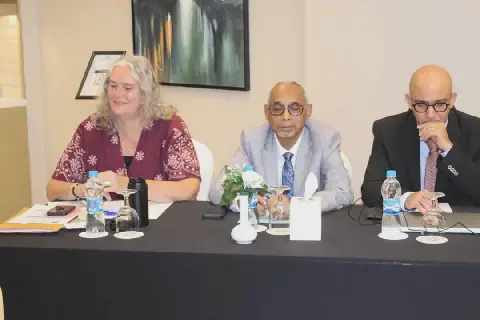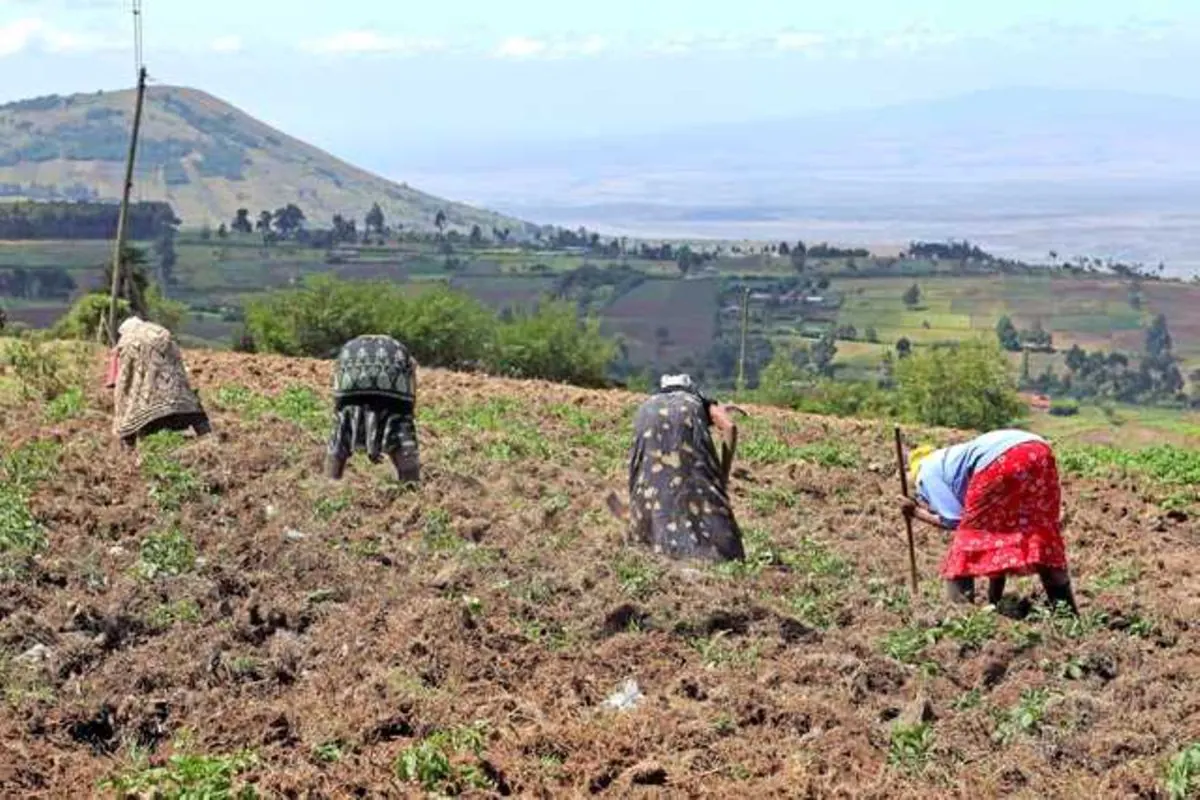
Kenya's agricultural sector is working to address a significant gap in providing timely and affordable advice to farmers. Despite producing agricultural research, training graduates, and employing extension officers, farmers continue to struggle with accessing relevant information that connects production to markets. A recent university leadership meeting, hosted by the National Association of State Departments of Agriculture (NASDA) through its Kenya implementing partner, Rootooba, focused on bridging this gap.
The meeting brought together representatives from universities, researchers, counties, and farmers to discuss building a stronger extension system. NASDA representatives emphasized the importance of extension services that listen as well as teach, allowing farmers to identify problems, test innovations, and provide feedback to researchers. This approach aims to make research accessible beyond academic journals and translate it into practical solutions that improve productivity and profitability.
University representatives shared examples of successful programs, including practical student training, technical and vocational education, community gardens, and demonstrations of innovative farming techniques. These initiatives have shown promising results, but the challenge lies in systematically connecting them to county extension services and scaling up their impact to reach more farmers.
Participants also highlighted the need for financing to expand practical programs and link farmers to markets. This conversation coincides with a pivotal time for higher education in Kenya, as the country's first competency-based curriculum cohort is expected to enter university in 2029. Universities have an opportunity to develop field-based learning and assessment alongside classroom teaching, enabling students to apply theoretical knowledge in practical settings.
Counties can play a crucial role in providing community learning sites and supervision, allowing students to gain hands-on experience. Universities could collaborate with the Council of Governors and County Governments to develop curricula and programs responsive to local priorities. The proposed Local Enterprise and Services Hub (LESH) model in Murang'a County offers a potential framework for organizing this relationship.
Such partnerships could provide young people with incentives to view agriculture as a business and service opportunity. Digital records could track farmer questions, referrals, and results, subject to appropriate safeguards. Private firms and buyers can help turn promising practices into viable products and market access. The meeting also identified potential US-Kenya exchanges on extension, practical training, and livestock genetic improvement.
The next step is to select a small number of county learning sites, define responsibilities with university partners, and test the effectiveness of this approach. The goal is to ensure that farmers receive better advice, students demonstrate useful skills, and enterprises benefit from the connection. Dr. Kiringai Kamau, County Executive Member for Devolution, Agroecology, Micro-Investment, and Partnerships in Murang'a County Government, contributed to the discussion.
Key points
- Universities and counties are working together to develop practical training programs that connect agricultural research to farmers' needs.
- The proposed Local Enterprise and Services Hub (LESH) model in Murang'a County offers a potential framework for organizing partnerships between universities, counties, and farmers.
- Digital records could track farmer questions, referrals, and results, subject to appropriate safeguards, to improve the effectiveness of extension services.