Climate change is taking a substantial toll on African economies, costing an estimated 2% to 5% of GDP each year. Despite contributing only a small fraction of global emissions, the continent bears a disproportionate burden. The UN Environment Programme estimates that developing nations require around $305 billion annually for adaptation, potentially rising to $420 billion by 2035 when accounting for inflation.
The current international public adaptation finance stands at $26 billion to $32 billion in 2024, falling short of the required amount. UN Secretary-General António Guterres noted that even tripling this figure would meet less than 30% of demand. The type of financing is also crucial, with grants being essential for adaptation projects that often do not attract private investment.
The Just Energy Transition Partnership in South Africa, initiated at COP26, was seen as a model, with an $8.5 billion package. However, less than 4% of the package was allocated to grants, with around 80% relying on loans. This approach places a significant burden on South Africa, which depends on coal for 80% of its electricity and already faces high debt and unemployment.
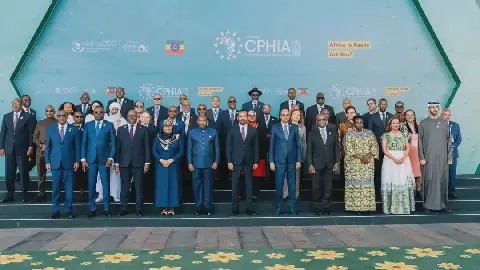
Ghana's environment minister, Dr Zanetor Agyeman-Rawlings, emphasised that while ambition exists, promises alone cannot sustain action. Key objections to the current financial model persist, including the need for financial solutions and the challenge of phasing out fossil fuels without stalling development.
Europe's commitment to scientific integrity at the Antalya summit was commendable, but the refusal to negotiate on adaptation finance was misguided. Reforming multilateral development banks, implementing climate-linked debt relief, and levying taxes on polluters could yield more funds. Guterres called for windfall taxes on oil and gas companies to support adaptation projects.
Concerns arise over the ability of African governments to effectively utilise funding, with over $14 billion pledged for South Africa's transition but only 41% allocated due to a lack of viable projects. Strengthening project preparation and national institutions, along with direct access to global funds, is essential to overcoming this barrier.
The UN offers the only platform where the most vulnerable countries can voice their needs equally. Africa needs to arrive at COP32 in Addis Ababa in 2027 with specific demands, including a clear target for tripling adaptation finance and a shift towards grants instead of loans for adaptation and loss. The world requires a genuine climate agreement, one that both sides honour, with Africa doing its part and the rest of the world fulfilling its commitments.
Key points
- Africa faces significant climate finance gap with estimated annual needs of $305bn
- Current international public adaptation finance falls short of required amount
- Reforming financial models and increasing grants could help address climate change in Africa
Reporting sources
- Antalya’s Shortcomings Were Financial, Not Verbal · sierraleonetoday.co.com