The year 2026 has seen an alarming increase in climate-related disasters, with thousands of people losing their lives and widespread destruction reported across various continents. According to a report by The Guardian, extreme weather events such as floods, wildfires, and unprecedented heatwaves have affected large areas of the world. Australia and Europe experienced extensive wildfires, while countries in Asia, Africa, and South America faced devastating floods and landslides.
The human toll of these disasters has been severe, with at least 8,000 people reported dead, according to Oxfam. This is the highest number of fatalities recorded in 13 years, with Nepal accounting for nearly three-quarters of these deaths. The organization also noted that 106 countries recorded new monthly temperature records, highlighting the widespread nature of extreme weather events and their growing impact on different regions.
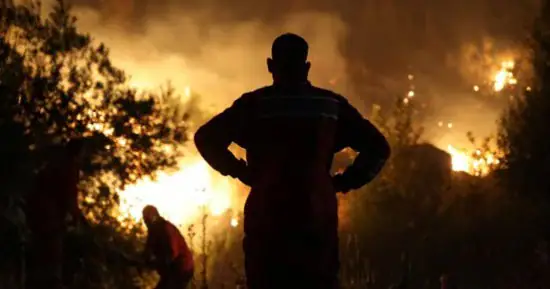
In Europe, the combination of heatwaves and droughts led to an expansion of wildfires, which had burned over 700,000 hectares of land by mid-October. This area is more than double the average recorded during the same period over the past two decades. The damage caused by these fires extended beyond the affected land, impacting air quality, threatening biodiversity, and destroying large areas of vegetation.
The World Meteorological Organization warned of continued global warming, with the average global temperature for the first nine months of 2026 exceeding pre-industrial levels by 1.47 degrees Celsius. This trend is expected to continue, with the possibility of the El Niño phenomenon exacerbating high temperatures and extreme weather events in the coming months.
The El Niño phenomenon is likely to increase the severity of heatwaves and other extreme weather events, potentially leading to more floods, heatwaves, and other climate-related disasters. This has raised concerns about the need for urgent action to reduce greenhouse gas emissions and develop early warning systems to mitigate the impact of these events.
The consequences of inaction will be severe, with the potential for increased loss of life, environmental damage, and economic disruption. It is essential that governments and international organizations work together to address the root causes of climate change and develop strategies to reduce its impact.
The 2026 climate disaster report serves as a stark reminder of the need for immediate action to address the growing threat of climate change. By working together, it is possible to reduce the risk of extreme weather events and mitigate their impact on communities around the world.
Key points
- Thousands of people have lost their lives due to climate-related disasters in 2026.
- Extreme weather events have caused widespread destruction and environmental damage across the globe.
- The El Niño phenomenon is likely to exacerbate high temperatures and extreme weather events in the coming months.