Climate change is expected to have a significant impact on Buffalo City, with the poor being disproportionately affected. According to documents obtained, the urban poor in informal settlements will face heat stress, storm damage, flash flooding, air pollution, and limited access to infrastructure. The city's policy planners have been working on expected climate breakdown impacts for 18 years, but this information has not been widely publicized.
The city's climate change strategy, adopted in 2015, and the 2024 coastal management programme and 2025/2026 Final Built Environment Performance Plan (BEPP) outline the expected impacts of climate change. The average temperature is expected to rise by 1.5-2°C by 2050, with an increase of 5.6 extra hot days per year. Annual average rainfall is expected to increase by 100-200mm by 2050, but with a change in rainfall patterns, leading to heavier, more intense rain and a higher chance of destructive storms.
The BEPP notes that the most vulnerable residents are the poor, especially those living in shacks in low-lying areas. Sea-level rise and flooding will not impact everyone equally, with the most crowded areas being the most affected. The unemployed and the poor cannot afford to build in safer areas and face greater heat stress due to limited shade, poor housing, and lack of cooling.
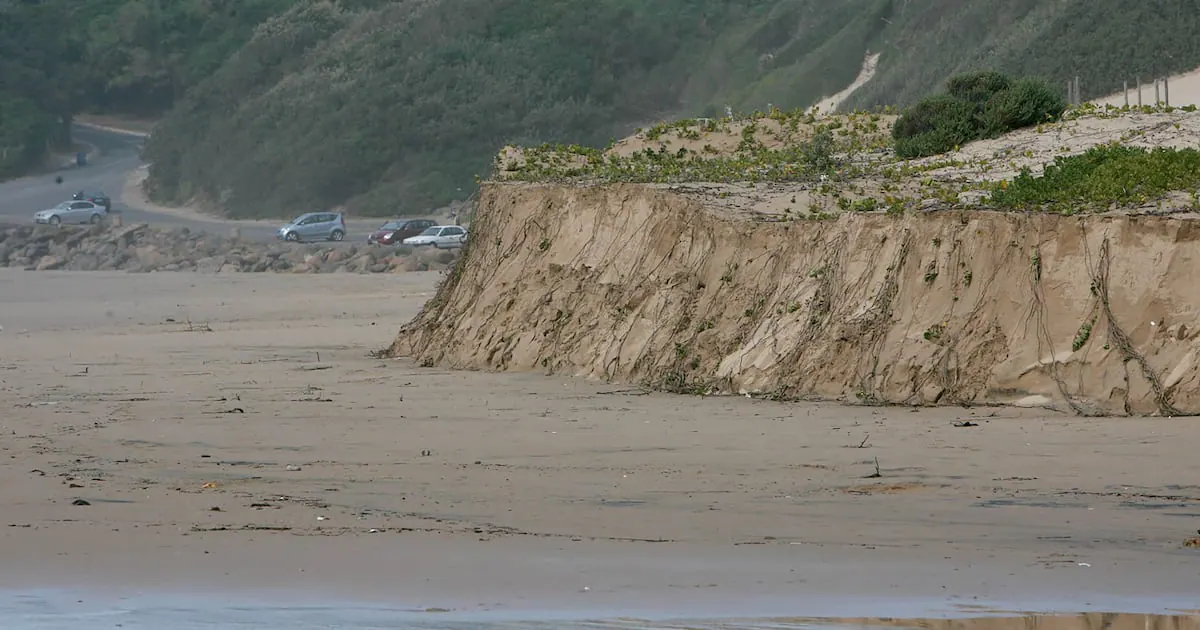
The city's inland and midland communities will face higher increases in hot days and extreme rainfall, while coastal residents and infrastructure will face sea-level rise and inundation, and erosion. Subsistence farmers will be hit by drought and flood, impacting food security. Municipal services and public health will come under increased pressure, and infrastructure will be damaged, leading to increased maintenance costs.
The areas identified for climate-resilient spatial upgrades include Mzamomhle (Gonubie), Duncan Village, and Nompumelelo, which are ranked with the highest vulnerability. Poor drainage in these areas heavily compounds the impact of severe water-level surges. The strategy is provincial but directly relevant to Buffalo City, which is a coastal urban mix of a city, low-lying coastal settlements, estuaries, industrial infrastructure, and transport networks.
The Integrated Development Plan (IDP) for 2021-2026 repeats the municipality's assessment that extended dry seasons, increasing temperatures, extreme storms, and sea-level rise will result in drought, crop failure, livestock death, damage to infrastructure, and further entrench poverty. The IDP also records that Buffalo City was going to map coastal vulnerable areas in 2019 and adopted a climate-risk assessment in 2021.
According to the documents, informal settlement residents and the urban poor are repeatedly identified as the most exposed to heat, flooding, storm damage, and service disruptions. The strategy specifically advised that development planning should account for a shorter flood return period, more extreme weather, storm surges, and sea-level rise, and should avoid or carefully manage infrastructure in flood-prone coastal areas.
Key points
- The poor in Buffalo City's informal settlements will face significant challenges due to climate change, including heat stress, storm damage, and limited access to infrastructure.
- The city's climate change strategy and BEPP outline the expected impacts of climate change and propose measures to mitigate them.
- The most vulnerable areas include Mzamomhle (Gonubie), Duncan Village, and Nompumelelo, which are ranked with the highest vulnerability.