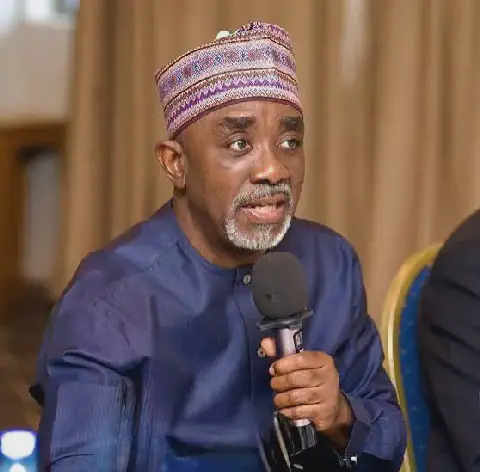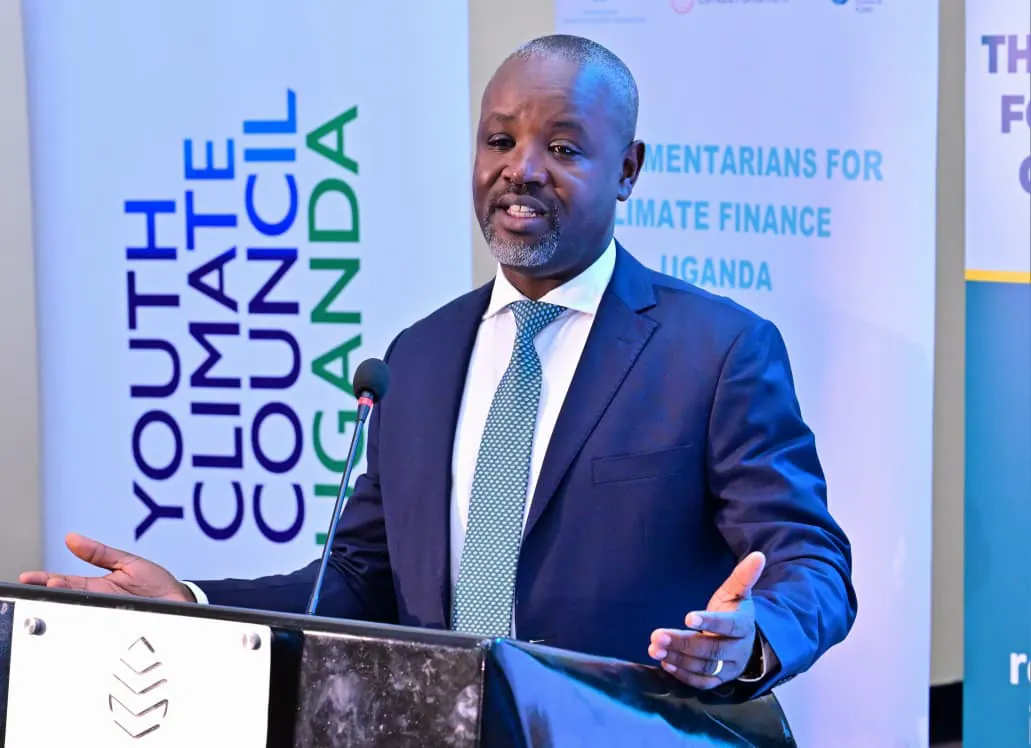
Deputy Speaker of Parliament Thomas Tayebwa has called on Members of Parliament to move beyond rhetoric and take concrete actions to protect Ugandans from the growing effects of climate change. He made the remarks while opening a two-day induction for members of the Parliamentary Committee on Climate Change and the Committee on Natural Resources in Kampala. Tayebwa emphasized that Uganda can no longer afford to treat climate change as a subject reserved for speeches, workshops, and international conferences.
Tayebwa challenged MPs to make climate action part of their day-to-day parliamentary work, particularly when considering government programs and approving national and sectoral budgets. He urged them to scrutinize public expenditure with climate risks in mind and ensure that government programs are designed to withstand changing weather conditions. According to Tayebwa, it would be wasteful for the country to invest heavily in development projects only for those investments to be destroyed by floods, droughts, landslides, and other climate-related disasters.
The Deputy Speaker also emphasized the need for a shift from disaster response to prevention. He cited the recurring flooding along River Nyamwamba in Kasese District as an example of a problem that requires a lasting solution rather than repeated emergency interventions. Tayebwa questioned whether it is sustainable for the government to continue spending public resources every year on emergency supplies for communities affected by floods and famine instead of investing in infrastructure and environmental measures that can prevent or reduce the impact of such disasters.
Climate change poses significant threats to agriculture and livelihoods in Uganda, Tayebwa warned. He called for greater emphasis on climate-smart agriculture, including the use of drought-resistant seeds, agroforestry, soil conservation, and improved agricultural extension services. Tayebwa urged Parliament to consider linking Parish Development Model (PDM) financing to agricultural practices that can withstand climate shocks.
Tayebwa also called for increased investment in water harvesting systems, particularly in public institutions. He proposed that schools, hospitals, and other government institutions should be encouraged to harvest and store rainwater for use during dry periods. Additionally, he encouraged public institutions to explore renewable energy solutions, particularly solar power, to strengthen energy resilience and contribute to Uganda's transition towards cleaner and more sustainable sources of energy.
The Deputy Speaker emphasized the importance of stronger protection of forests and wetlands, warning that environmental degradation is putting Uganda's future at risk. He urged MPs to pay closer attention to environmental protection when carrying out their oversight responsibilities and to demand accountability from institutions charged with protecting natural resources. Tayebwa noted that Uganda is losing about 80,000 hectares of forest cover annually, describing the trend as unacceptable.
Finally, Tayebwa emphasized the importance of strengthening Uganda's capacity to predict extreme weather events. He called for greater government support to the Uganda National Meteorological Authority (UNMA) so that it can acquire the equipment and technology required to provide accurate and timely weather information. This, he believes, will enable the country to take proactive measures to mitigate the impacts of climate change.
Key points
- Tayebwa urges MPs to make climate action part of their day-to-day parliamentary work.
- The Deputy Speaker calls for a shift from disaster response to prevention.
- Tayebwa emphasizes the importance of climate-smart agriculture and stronger protection of forests and wetlands.