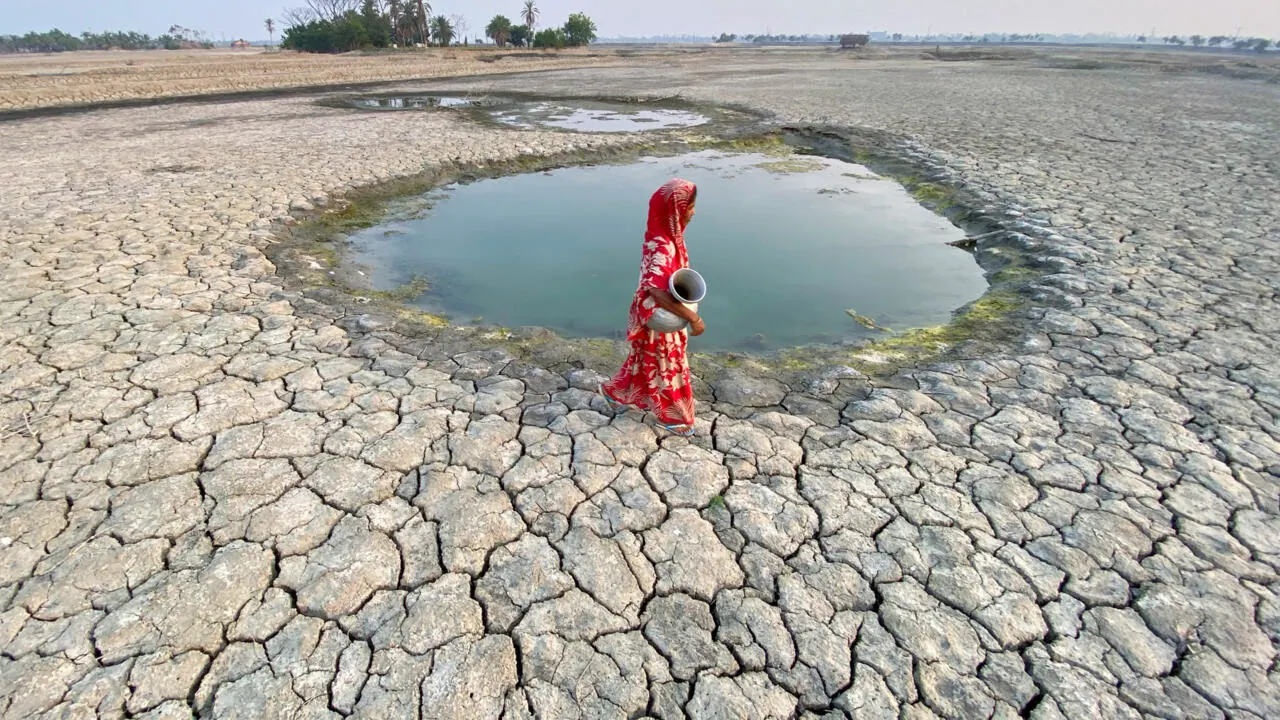
A recent report by Plan International has found that climate change is significantly increasing the risks of child marriages, teenage pregnancies, and violence against girls. The report, titled Change Her Forecast, the State of the World’s Girls 2026, was released on Monday and coincides with ongoing climate discussions in Fiji and Tuvalu. These countries are among those profoundly impacted by climate change, which affects daily life. The report is based on interviews with 5,000 girls and young women aged 15 to 24 in Bangladesh, Kenya, Peru, Senegal, and Zimbabwe.
The report reveals that one in ten girls experienced an unintended pregnancy following a climate-related event. Additionally, 33 per cent of those surveyed reported an increase in unintended pregnancies within their communities. Ninety per cent of girls noted that climate-related events severely impacted their family’s survival, health, and stability. These findings are particularly concerning as they come ahead of the International Day of the Girl Child on 11 October.
The report also highlights that 28 per cent of those surveyed indicated a rise in violence against women after climate-related events. This figure rises to 60 per cent in Zimbabwe, a country significantly affected by rising temperatures. Prolonged drought is identified as the most consistent risk factor linked to rising child marriage rates. As families lose their means of support over time, marrying off daughters becomes a survival strategy.
Plan International urges nations to earmark funds for adolescent girls’ health, particularly in sexual and reproductive health services. The charity emphasizes the need for support to help girls and young women cope with the impacts of climate change. This call to action is part of a broader effort to address the consequences of global warming on vulnerable populations.
UN climate chief Simon Stiell addressed health issues related to climate change, particularly extreme heat. He reported that over two-thirds of health professionals across five continents have seen complications from extreme heat in the past five years. Climate-related heat during pregnancy is increasingly connected to premature birth, low birth weight, and maternal complications.
Stiell spoke at a UN pre-Cop gathering in Nadi, Fiji, which serves as a precursor to the larger UN climate summit, Cop31, scheduled for next month in Turkey. Fiji’s climate minister Lynda Tabuya urged developed nations to support a just transition to renewable energy and to assist those most vulnerable to climate change. She emphasized the need for climate finance to help countries adapt to the impacts of global warming.
A UN report from August highlighted that developing countries require between $310 billion and $365 billion for climate adaptation but had access to only $26 billion in 2023. The report predicts that up to 1.2 billion people could be displaced by 2050, with Pacific island nations facing sea level rises at twice the global average. Tabuya called on nations to commit to climate finance to support those most affected by climate change.
Key points
- Climate change is increasing the risks of child marriages, teenage pregnancies, and violence against girls.
- Prolonged drought is a significant risk factor linked to rising child marriage rates.
- Developing countries require substantial funding for climate adaptation, but access to finance remains limited.