The Sahel region is facing significant challenges due to climate change, which is affecting food security and the livelihoods of millions of people. The region's agricultural sector, which is the backbone of the economy, is severely impacted by changing weather patterns, including unpredictable rainfall and droughts. This has resulted in reduced crop yields, decreased livestock production, and increased food insecurity. The situation is further exacerbated by the fact that the Sahel region is home to some of the world's most vulnerable populations.
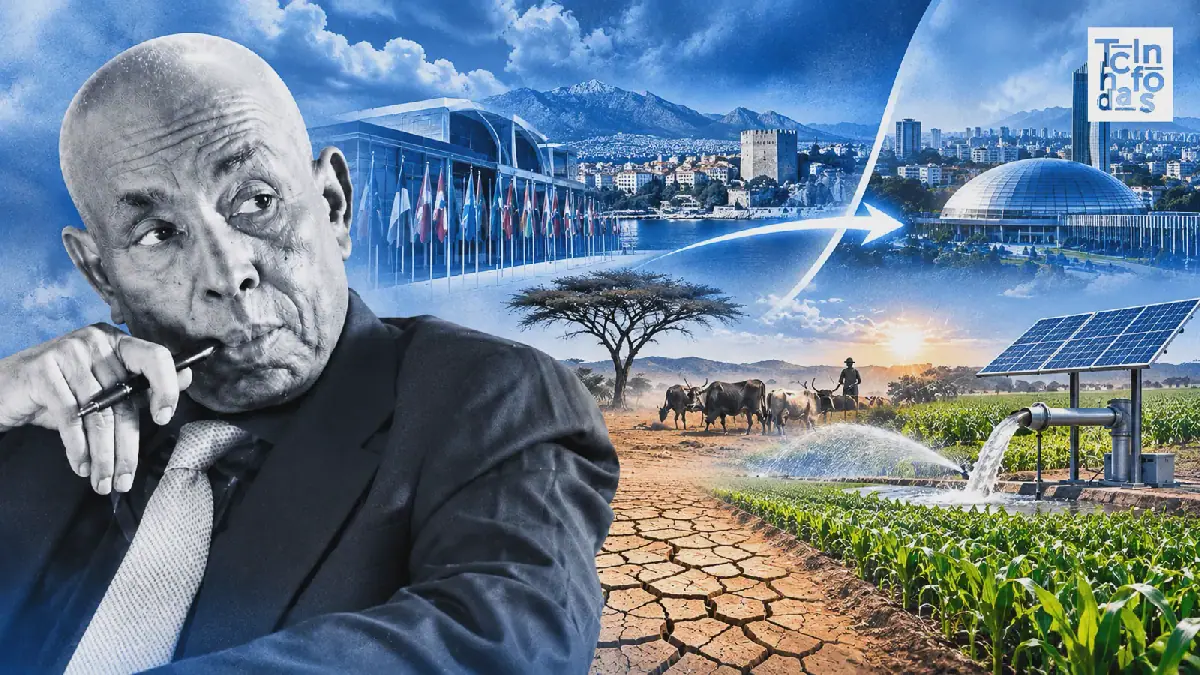
The issue of climate change and its impact on food security was a major topic of discussion at the recent COP31 conference in Antalya. Participants emphasized the need for urgent action to address the challenges posed by climate change, including the development of strategies for adaptation and resilience. The conference highlighted the importance of investing in agriculture and supporting small-scale farmers, who are critical to food production in the Sahel region. The African continent is home to a significant proportion of the world's arable land, and investing in agriculture can have a significant impact on food security and economic development.
In the Sahel region, the effects of climate change are being felt deeply, with many people struggling to access basic necessities like food and water. The region's agricultural sector is highly dependent on rainfall, which is becoming increasingly unpredictable. This has resulted in reduced crop yields and decreased livestock production, leading to food insecurity and malnutrition. The situation is particularly dire for vulnerable populations, including children, women, and the elderly, who are disproportionately affected by food insecurity.
Agriculture is a critical sector for the Sahel region's economy, providing employment and income for millions of people. However, the sector is highly vulnerable to the impacts of climate change, including droughts, floods, and pests. To address these challenges, there is a need for investment in climate-resilient agriculture, including irrigation systems, drought-resistant crops, and climate-smart agricultural practices. This will require significant investment and support from governments, international organizations, and other stakeholders.
The Sahel region has significant potential for agricultural development, with over 150 million hectares of arable land and abundant water resources. However, realizing this potential will require significant investment in infrastructure, including roads, irrigation systems, and storage facilities. It will also require support for small-scale farmers, who are critical to food production in the region. This can include training, credit, and other forms of support to help farmers adapt to the challenges posed by climate change.
Climate change is a major threat to food security in the Sahel region, and addressing this challenge will require a coordinated response from governments, international organizations, and other stakeholders. This will involve investing in climate-resilient agriculture, supporting small-scale farmers, and promoting sustainable agricultural practices. It will also require a commitment to addressing the root causes of climate change, including greenhouse gas emissions and deforestation. The Sahel region's future depends on it.
The next COP conference, which will take place in Addis Abeba in a year's time, will provide an opportunity for countries to come together and discuss solutions to the challenges posed by climate change. The Sahel region's experience with climate change highlights the need for urgent action and cooperation to address this global challenge. The region's future, and that of the world, depends on it.
Key points
- The Sahel region is highly vulnerable to the impacts of climate change, including droughts, floods, and pests.
- Agriculture is a critical sector for the Sahel region's economy, providing employment and income for millions of people.
- Investing in climate-resilient agriculture and supporting small-scale farmers can help address the challenges posed by climate change in the Sahel region.