Women gold miners in Kakamega, Kenya, face significant challenges due to climate change, which disrupts their work and worsens health risks. Heavy rains and extreme heat are affecting their daily activities, with many miners earning up to Ksh 3,000 on good days. However, when it rains heavily, they cannot access the mining sites, resulting in lost income. Janet Ingosi, a miner from Lurambi Subcounty, highlighted the impact of climate change on their livelihoods, stating that without ore, there is nothing to process, and without processing, there is no money.
Women dominate ore processing in Kakamega's gold fields, with men generally bringing ore from the shafts before women crush and wash it. According to Patrick Ligami, chair of the Kakamega County Miners Association, women make up about 62% of Kakamega's mining population, particularly in ore processing. The income from mining is crucial for these women, as they can earn between Ksh 1,000 to Ksh 3,000 per day, compared to Ksh 250-300 per day from farming. However, this income comes with growing risks, including exposure to chemicals and hazardous working conditions.
The health effects of mining are difficult to ignore, with many women experiencing tiredness, headaches, and back pain after working under the heat. Marylyn Okwisa, a miner from Bushiangala in Ikolomani, shared her experience, stating that she often takes painkillers and continues working due to financial constraints. The World Health Organization identifies chemical and occupational hazards in artisanal and small-scale gold mining, with particular concerns for women and children. Mercury exposure can affect the nervous, digestive, and immune systems, while also damaging the lungs, kidneys, skin, and eyes.
Climate change is amplifying existing dangers in Kakamega's gold mining, including chemical exposure, extreme heat, heavy rainfall, disease, and poor working conditions. Isaac Maindi, a senior occupational safety and health officer, emphasizes the need for protective equipment, safer technologies, and controls that reduce exposure to hazardous substances. The county's gold fields stretch across several areas, including Ikolomani, Shinyalu, Lurambi, Khwisero, and Butere, where miners handle mercury and face environmental hazards.
Heavy rains can turn mining waste into a moving hazard, carrying wastewater, sludge, and chemical residues towards homes, farms, roads, and rivers. Joyce Khakaba, a resident of Shitoli village, recalled an incident where water overflowed and broke through a wall, entering homes. Some leaching plants are not properly fenced, leaving stagnant pools of potentially contaminated water exposed to people and animals. Residents demand safer mining practices and better chemical management to mitigate these risks.
The environmental impact of mining in Kakamega is significant, with widespread erosion, dangerous open pits, and disturbed underground water pathways. Residents, including Rehema Wekulo of Ikolomani, call for abandoned shafts to be backfilled and rehabilitated, allowing the land to return to farming. Tree planting and agroforestry are also proposed to restore vegetation and protect water catchments. For women, environmental damage can become an economic trap, as degraded land and damaged water sources weaken their safety net.
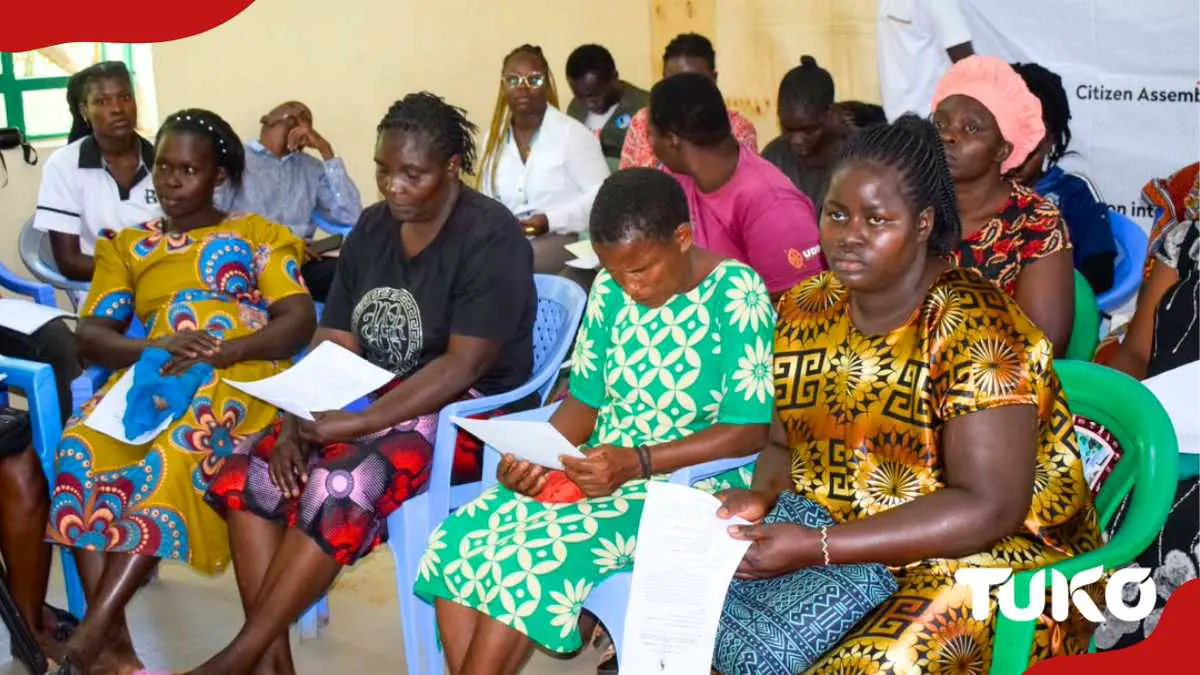
The Girls to Women Organization (GtoW) conducted a deliberative process involving women, girls, people with disabilities, community leaders, and officials to discuss mining, climate change, environmental degradation, and health risks. The initiative generated 34 recommendations, with 25 prioritized for the Citizen Assembly. Audrey Bigeti, a GtoW programmes officer, emphasized the importance of creating space for residents to discuss these critical issues and demand a voice in climate decisions.
Key points
- Women make up about 62% of Kakamega's mining population, particularly in ore processing.
- Climate change disrupts work and worsens health risks for women gold miners in Kakamega, Kenya.
- Residents and experts call for safer mining practices, better chemical management, and greater inclusion of women in climate decisions.