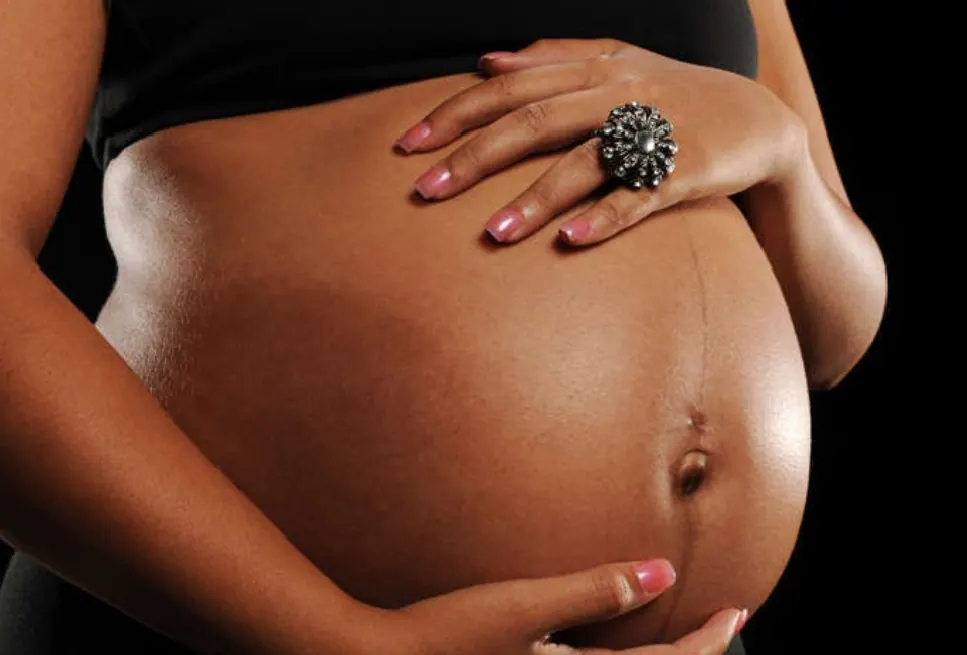
The World Health Organization (WHO) has classified pregnant women as a particularly vulnerable group to heatwaves, citing associations between extreme temperatures during pregnancy and adverse outcomes such as premature births, low birth weight, stillbirths, and hypertensive disorders. According to epidemiological studies, every 1°C increase in ambient temperature is linked to a 5% increase in premature births, and heatwaves are associated with a notable increase in obstetric complications.
A survey commissioned by the Wellcome foundation found that 73% of healthcare professionals in Australia, Brazil, India, the UK, and Zimbabwe reported an increase in heat-related complications among pregnant women over the past five years. The survey also revealed that 76% of respondents reported an increase in health problems affecting fetuses or newborns, which they attributed to extreme heat.
The risks associated with heat exposure during pregnancy are not only theoretical, but also have real-life consequences. The survey found that 98% of respondents had treated at least one pregnant woman whose health they believed was influenced by episodes of extreme heat, and 99% had done the same for babies.
The concerns about heat-related complications during pregnancy are not limited to healthcare professionals. The WHO has also highlighted the need for greater awareness and action to address the issue. According to the organization, one woman dies every two minutes from complications related to pregnancy or childbirth.
The risks associated with heat exposure during pregnancy are exacerbated by social and infrastructural factors. Women who work outdoors, live in poorly insulated housing, or give birth in healthcare facilities without reliable electricity or cooling systems are often the most exposed.
In well-equipped healthcare facilities with access to water, stable electricity, and sufficient personnel, pregnancy complications during heatwaves can be closely monitored and quickly addressed. However, in areas where healthcare centers are already overburdened and difficult to access, the same heat exposure can have much more severe consequences for both mothers and children.
The UN climate official has called for maternal health to be a pillar of adaptation strategies to address the growing concern of climate change and pregnancy complications. The WHO and other health experts are emphasizing the need for greater awareness, action, and resources to protect pregnant women and their newborns from the impacts of extreme heat.
Key points
- Pregnant women are particularly vulnerable to heatwaves, with increased risks of complications such as premature births and low birth weight.
- Social and infrastructural factors exacerbate the risks associated with heat exposure during pregnancy, particularly for women who work outdoors or live in poorly insulated housing.
- Healthcare professionals are calling for greater awareness, action, and resources to protect pregnant women and their newborns from the impacts of extreme heat.