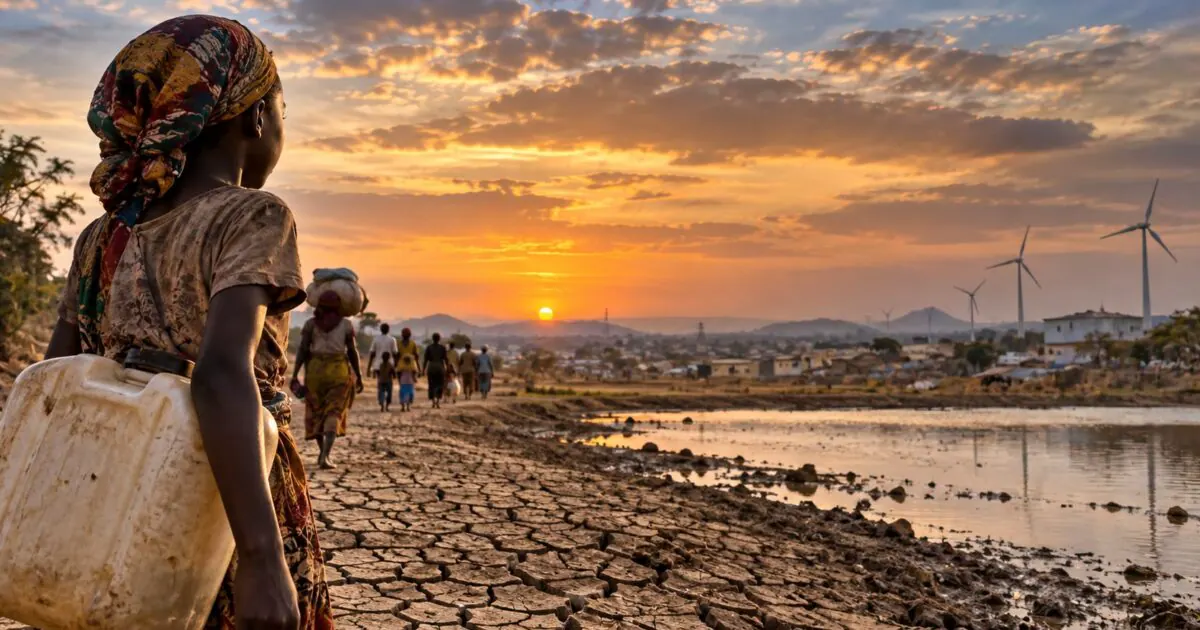
Climate change is often viewed as an environmental issue, but its consequences are far-reaching, affecting livelihoods, food prices, migration, and community stability. In Ghana, as in many other countries, the impact of climate change is being felt in various sectors, including agriculture, water resources, and human settlements. Rising temperatures and changing precipitation patterns are altering the availability of resources, leading to increased competition and tension among communities.
The relationship between climate change and conflict is complex, and while climate change does not automatically cause conflict, it can exacerbate existing tensions. In areas where resources are scarce, climate change can make it harder to manage tensions, posing a significant challenge to peacebuilding efforts. For decades, conflict prevention has focused on diplomacy, political negotiations, and security institutions, but lasting stability also depends on how societies manage the resources people rely on every day. Effective management of resources such as water and food can help mitigate the impact of climate change on communities.
Water is a critical example of a resource that can be both a source of cooperation and conflict. Rivers, lakes, and underground water systems cross national borders, and agriculture, industry, and households depend on reliable supplies. With effective agreements, shared resources can encourage countries to cooperate, reducing the risk of conflict. In Ghana, for instance, the management of water resources has been a key aspect of regional cooperation, with countries working together to ensure equitable access to this vital resource.
Food security is another significant challenge in the context of climate change. Extreme weather events can disrupt agricultural production, affect household incomes, and drive up food prices, leaving communities with limited resources and fewer options. Displacement can add another layer of pressure, as people leave their homes due to environmental or economic difficulties, placing additional demands on housing, employment, and public services in receiving communities.
However, the climate-security relationship is not only about risk; it can also create opportunities for cooperation. Governments can collaborate on water management, climate-resilient agriculture, renewable energy, and infrastructure, protecting livelihoods while creating incentives for cross-border cooperation. In Ghana, initiatives such as the Ghana Climate Resilience Programme are working to enhance the resilience of communities to climate change, promoting sustainable agriculture and renewable energy.
To address the challenges posed by climate change, peacebuilding needs to become more preventive. Governments and international organizations need to identify vulnerabilities before they escalate into crises, while local communities should have a role in decisions affecting their resources. The private sector can contribute by investing in resilient infrastructure, clean energy, and sustainable agriculture, helping to reduce the impact of climate change on communities.
The lesson is clear: security cannot be separated from the conditions of people's lives. Building peace in the years ahead will require more than negotiating ceasefires; it will also require addressing the environmental and economic pressures that can leave communities vulnerable. Climate action and peacebuilding are part of the same conversation, and a holistic approach that takes into account the interlinkages between climate change, conflict, and development is essential for achieving lasting stability.
Key points
- Climate change poses significant challenges to peacebuilding in communities facing environmental degradation, resource scarcity, and conflict.
- Effective management of resources such as water and food can help mitigate the impact of climate change on communities.
- A holistic approach that takes into account the interlinkages between climate change, conflict, and development is essential for achieving lasting stability.