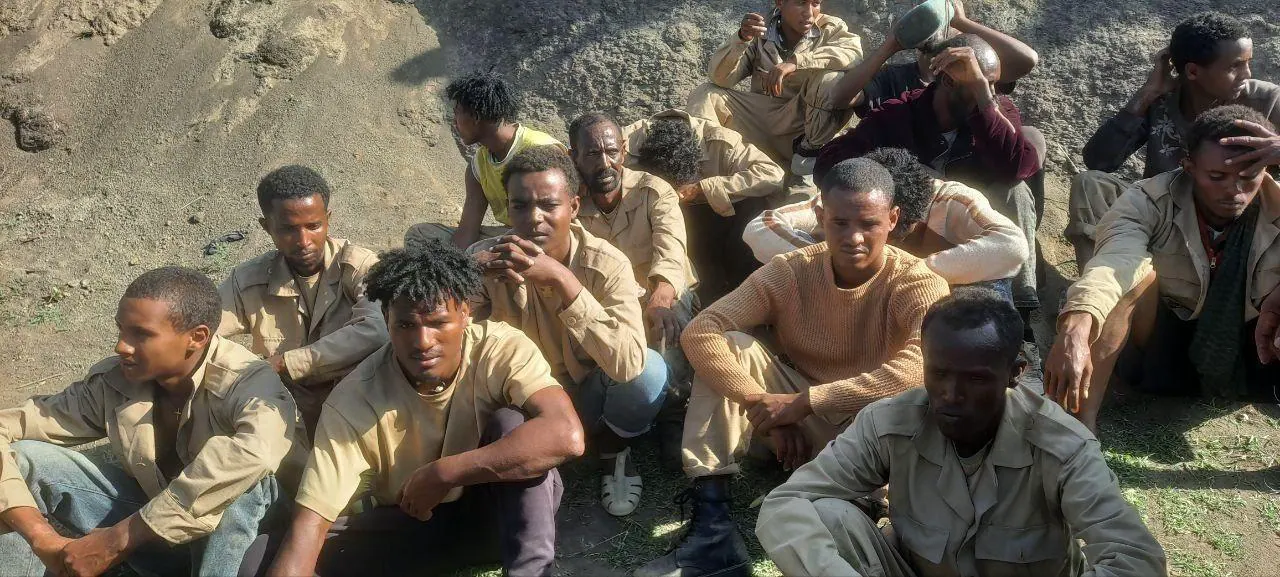
The Ethiopian military has announced that it has killed more than 400 fighters from the Tigray People's Liberation Front (TPLF), the ruling party in the Tigray region, in clashes in the northwestern Amhara region. According to the military, the TPLF launched an attack on its Northeastern Command two days ago, prompting a counterattack that resulted in the deaths of 436 fighters and injuries to 220 others.
The renewed clashes come as the TPLF has formed an alliance with six other opposition groups across the country to overthrow the federal government. The alliance has raised concerns about the potential for a wider conflict. Internet services have been disrupted in northern Ethiopia, with reports suggesting that the TPLF has ordered telecom companies to cut off phone and internet services in the region.
The Ethiopian military has been using drones to attack targets in Tigray, which has given it a significant advantage over the TPLF. The military has a large stockpile of drones, which it has been using to launch airstrikes on TPLF positions. The TPLF has not been known to use drones. The conflict has raised concerns about the humanitarian situation in the region, with fears of a repeat of the 2020-2022 war that killed nearly 600,000 people.
The conflict has also led to reports of arrests and military defections. The TPLF has arrested two former regional officials on suspicion of providing military intelligence to the federal government. Meanwhile, a former TPLF commander, General Gebre Adhana, has defected to the federal government, citing his opposition to the TPLF's "agenda of sabotage and war."
The clashes have also spread to other regions, including the Afar region, where the Ethiopian military has been battling TPLF fighters. The conflict has raised concerns about the stability of the region and the potential for a wider conflict. The TPLF has vowed to continue fighting, with its deputy leader, Emmanuel Assefa, stating that the group is now engaged in a "total war" against the federal government.
The conflict has also had a significant impact on civilians, with reports of displacement and casualties. The TPLF has accused the federal government of launching airstrikes on civilian targets, including schools. The government has denied these allegations. The conflict has also raised concerns about the humanitarian situation in the region, with fears of a repeat of the 2020-2022 war.
Analysts say that the TPLF's strategy appears to be similar to its approach during the previous war, when it advanced southwards through the Amhara region towards the capital, Addis Ababa. The TPLF's goal is reportedly to cut off supply lines from Djibouti, which is the main route for Ethiopia's international trade. The conflict has raised concerns about the stability of the region and the potential for a wider conflict.
Key points
- The Ethiopian military has killed over 400 TPLF fighters in clashes in the northwestern Amhara region.
- The TPLF has formed an alliance with six other opposition groups to overthrow the federal government.
- The conflict has raised concerns about the humanitarian situation in the region and the potential for a wider conflict.