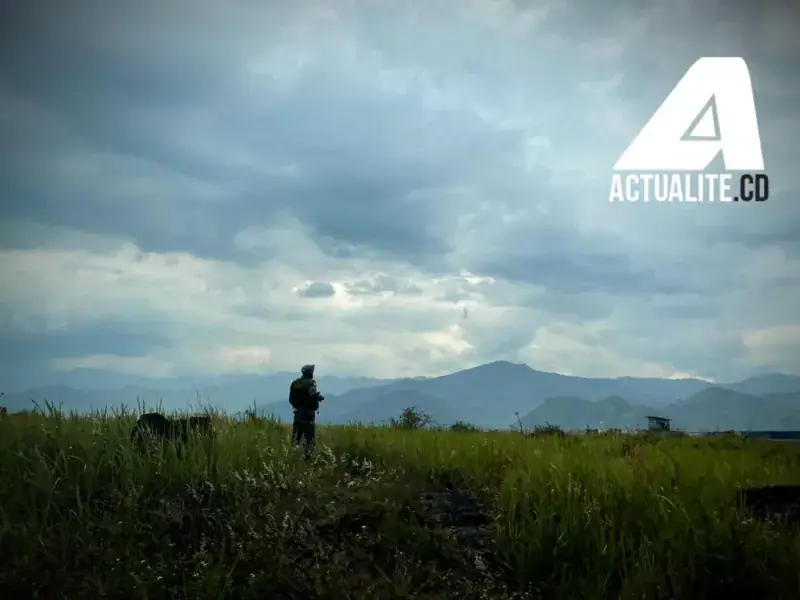
Clashes erupted on Monday, 16 November 2026, and continued into Tuesday, 17 November 2026, between the Forces armées de la République démocratique du Congo (FARDC) and the Front pour la Refondation de la Nation (FRN) rebels in Kambali, a locality in the Kalehe territory of South Kivu, Democratic Republic of the Congo. The fighting, which involved the use of combat drones by the rebels, resulted in the capture of the strategic Bukondo Hill by the FRN.
The Bukondo Hill, located near Kambali and Kambegete, holds significant military importance due to its elevated position. The FRN rebels successfully overran the hill, despite attempts by the FARDC and their allies, including local militia known as wazalendo, to regain control. The rebels' use of drones allowed them to bombard FARDC positions effectively.
A precarious calm was observed in the evening of 17 November 2026, following hours of heavy and light gunfire. However, the situation remains volatile, with concerns about potential new displacements of civilians due to ongoing clashes between the two factions. Local populations are worried about the evolving security situation in this part of the Kalehe territory.
The conflict in Kalehe is part of a broader pattern of violence in the eastern Democratic Republic of the Congo, where various armed groups, including the FRN, are active. The FRN's capture of Bukondo Hill may have implications for the control of the region and the balance of power between rival factions.
The FARDC, supported by local militias, have been engaged in efforts to contain and defeat rebel groups in the region. However, the FRN's advances highlight the challenges faced by the military in securing the area. The situation on the ground remains fluid, with frequent clashes reported in different parts of the region.
International concern has been expressed about the humanitarian impact of the ongoing violence in eastern DR Congo. The clashes have led to displacements and damage to infrastructure, exacerbating the already complex security and humanitarian situation in the region. Efforts to broker peace and stabilize the area continue, but progress is often hampered by the activities of armed groups.
The developments in Kalehe and other parts of eastern DR Congo underscore the persistent security challenges facing the region. The capture of strategic locations by rebel groups like the FRN poses a significant hurdle for the government and the military in their efforts to assert control and ensure stability.
Key points
- FRN rebels captured the strategic Bukondo Hill after two days of clashes with the FARDC in the Kalehe region.
- The fighting involved the use of combat drones by the FRN rebels.
- The situation in the region remains volatile, with concerns about potential new displacements of civilians.