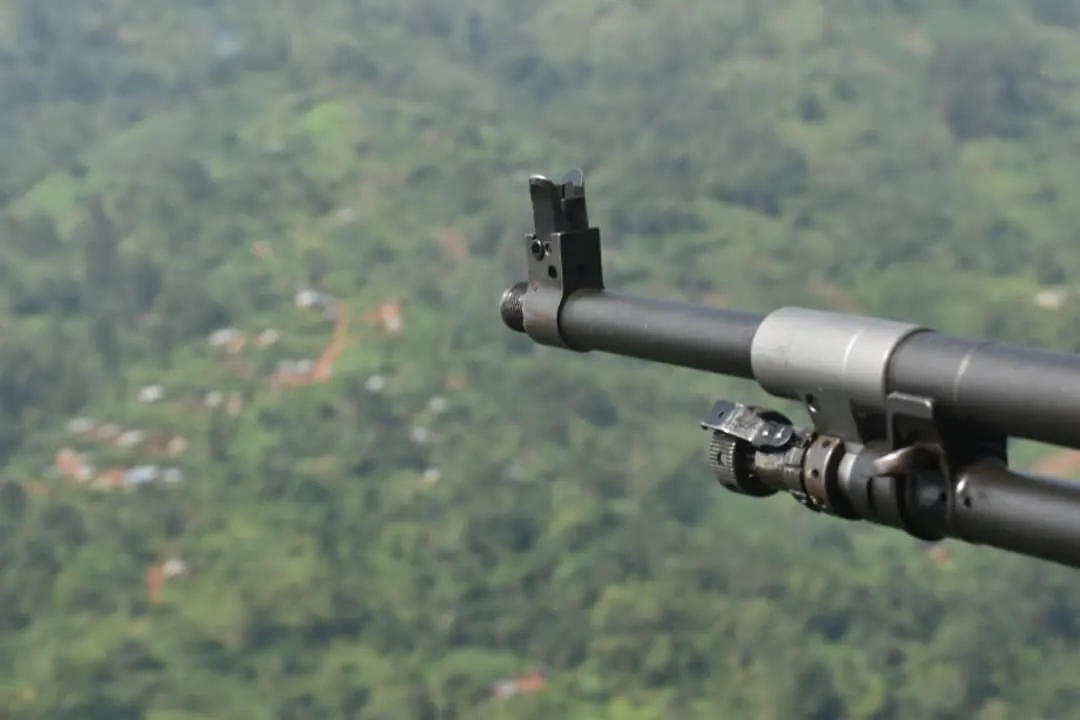
Clashes between the Wazalendo, allied with the FARDC, and AFC/M23 rebels continued on October 7, 2026, along the Ngungu axis and around Katoyi center in the Masisi territory of North Kivu. Local sources report that a coalition of Wazalendo forces has recaptured certain localities in southern Masisi and positions in the neighboring Ziralo groupement in Kalehe territory, South Kivu. However, the situation remains volatile with no casualty reports available.
The fighting, which began at dawn, was concentrated around Katoyi center and the village of Mihole in Masisi territory. Additional detonations were heard near Kasake and Kashovu on the Remeka-Ngungu axis in Ufamandu Ier groupement, Bahunde chiefdom. According to military sources, the FARDC-Wazalendo coalition recaptured Katoyi center on October 6 but is still struggling to retake Kasake, which remains under AFC/M23 occupation.
In neighboring Kalehe territory, South Kivu, the mining town of Numbi, recently recaptured by Wazalendo forces, remains disputed between the two camps. Civilian sources indicate that the proximity of the fighting to Rubaya and Ngungu continues to fuel psychosis among local populations. The Ufamandu and Nyaboko groupements in Masisi, as well as Ziralo in Kalehe, have been theaters of violent clashes for several months.
Despite ceasefire agreements between the Democratic Republic of Congo and Rwanda, and between the DRC and AFC/M23, fighting persists. Local sources report that over half of the population in these areas has been displaced due to the war. The use of combat drones has caused significant human and material damage, severely disrupting school, economic, and social activities in the region.
According to local sources, the conflict has led to a significant humanitarian crisis. Many residents have been forced to flee their homes, leading to a substantial increase in internally displaced persons (IDPs) in the region. Efforts to broker a lasting peace have been ongoing, but the situation on the ground remains fluid and unpredictable.
The situation in Masisi and surrounding areas remains volatile, with both sides suffering losses. The Wazalendo forces, allied with the FARDC, have made some gains but face continued resistance from AFC/M23 rebels. The international community has expressed concern over the escalating violence and its impact on civilians.
The clashes have also had a significant impact on the local economy, with many businesses and markets forced to close due to the insecurity. The humanitarian situation is dire, with many residents lacking access to basic necessities like food, water, and healthcare.
Key points
- The conflict has displaced over half of the population in the affected areas.
- Ceasefire agreements have failed to halt the fighting.
- The humanitarian situation in the region is dire.